
Multifunctional Complex Analysis
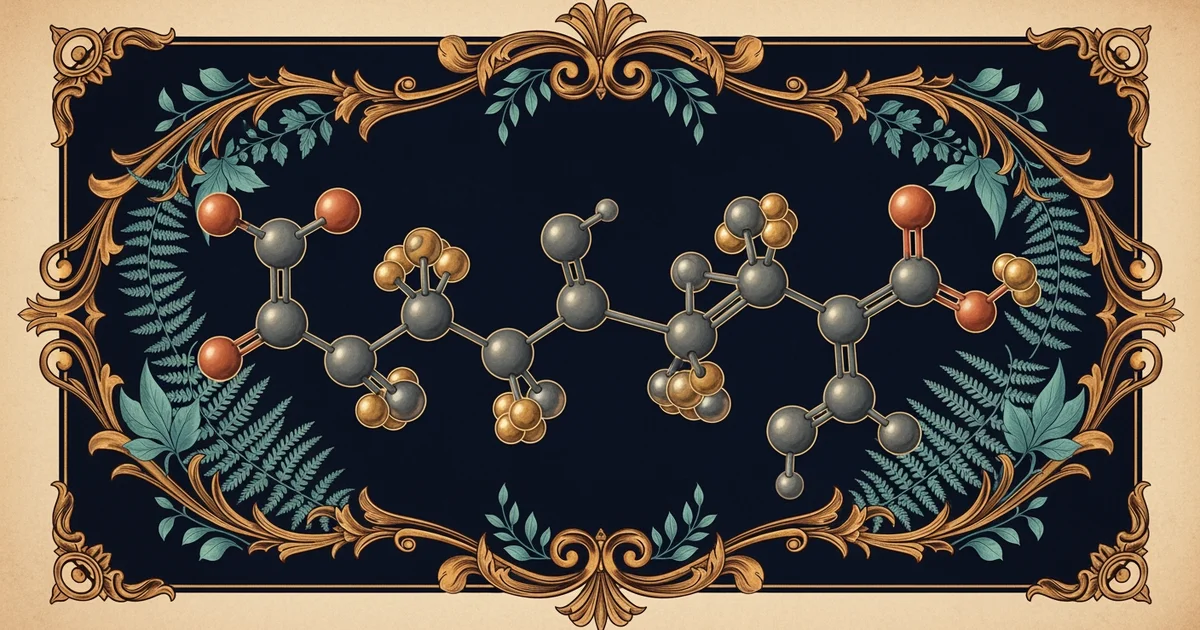
Imagine holding a complex machine that performs ten different tasks at the exact same time. Molecules behave like this when they contain many reactive parts that pull in different directions. These substances are the heart of advanced materials and modern medicine because they offer high versatility. We call these structures multifunctional molecules because they possess diverse chemical groups on one frame. Each group acts like a specific tool in a toolbox that reacts to its local environment. By identifying these parts, we can predict how the whole molecule will behave during a reaction. This process of deconstruction allows scientists to design new substances for specific human needs.
Identifying Reactive Centers in Large Structures
When we look at a large carbon chain, we must scan for specific patterns of atoms. These patterns, known as functional groups, define how that section of the molecule will interact with others. For example, a hydroxyl group makes a molecule act like an alcohol, while a carboxyl group makes it acidic. A single, large molecule might contain both of these groups at opposite ends of its structure. This means the molecule can act as an acid in one spot and an alcohol in another. Think of this like a multi-tool that has a blade on one side and a screwdriver on the other. You can choose which tool to use based on the specific job you need to finish. Identifying these centers is the first step in understanding the complex behavior of larger systems.
Key term: Functional group — a specific cluster of atoms within a molecule that is responsible for the characteristic chemical reactions of that molecule.
To see how these groups coexist, consider the following examples of common organic compounds that show different reactive potentials:
- Acetic acid contains a carboxyl group that allows it to donate hydrogen ions, making it acidic in water.
- Ethanol features a hydroxyl group which allows it to form hydrogen bonds and interact easily with polar solvents.
- Acetone includes a carbonyl group that makes it a useful solvent for dissolving other substances that are not polar.
These simple examples show that each group has a unique personality that influences the whole molecule. When we combine these groups into one structure, the molecule gains new properties that none of the parts could achieve alone.
Predicting Molecular Behavior Through Deconstruction
Once we identify the reactive parts, we must determine how they influence each other within the molecule. Sometimes, one group will pull electrons away from another group to change its chemical activity. This internal interaction is what makes large molecules so interesting and difficult to predict. We must look at the shape of the molecule to see if these groups are near each other. If they are close, their fields of influence will overlap and create a new, hybrid behavior. This is much like a shopping mall where different stores influence the traffic flow of the entire building. A food court near the entrance will pull people in a different way than a clothing store. By mapping these influences, we can solve the puzzle of how a substance will react in a real-world setting.
| Group Type | Primary Property | Influence on Molecule |
|---|---|---|
| Hydroxyl | Polar/Reactive | Increases solubility |
| Carboxyl | Acidic/Reactive | Donates protons |
| Carbonyl | Dipole/Reactive | Attracts electrons |
This table helps us organize the roles that different groups play when they are combined in a complex structure. By tracking these properties, we can see how the shape of the molecule dictates its final chemical performance. This understanding connects back to our foundation question about how molecular shapes dictate behavior. If we change the position of one group, the entire shape shifts and the behavior changes. This sensitivity is why molecular design requires such high precision and careful planning. We are essentially building a machine at the atomic level, where every single atom must be in the correct place to ensure the system works as intended.
Understanding how individual reactive groups interact within a single structure allows us to predict the complex behavior of advanced materials.
Predicting these interactions leads us to the next step of designing molecules that perform specific tasks through predictive synthesis.