
Strategic Implementation
Imagine a massive bridge built to withstand heavy traffic and high winds during a storm. If the engineers only plan for calm weather, the entire structure will collapse when the first hurricane hits the coast. Supply chains function exactly like this bridge when they face unexpected global disruptions or sudden market shifts. Building a strong network requires more than just good intentions or basic planning for daily operations. You must move from simple reaction to active design by building a framework that absorbs shocks without breaking your business model. This process of intentional design is what we call strategic implementation for resilience.
Designing the Enterprise Resilience Framework
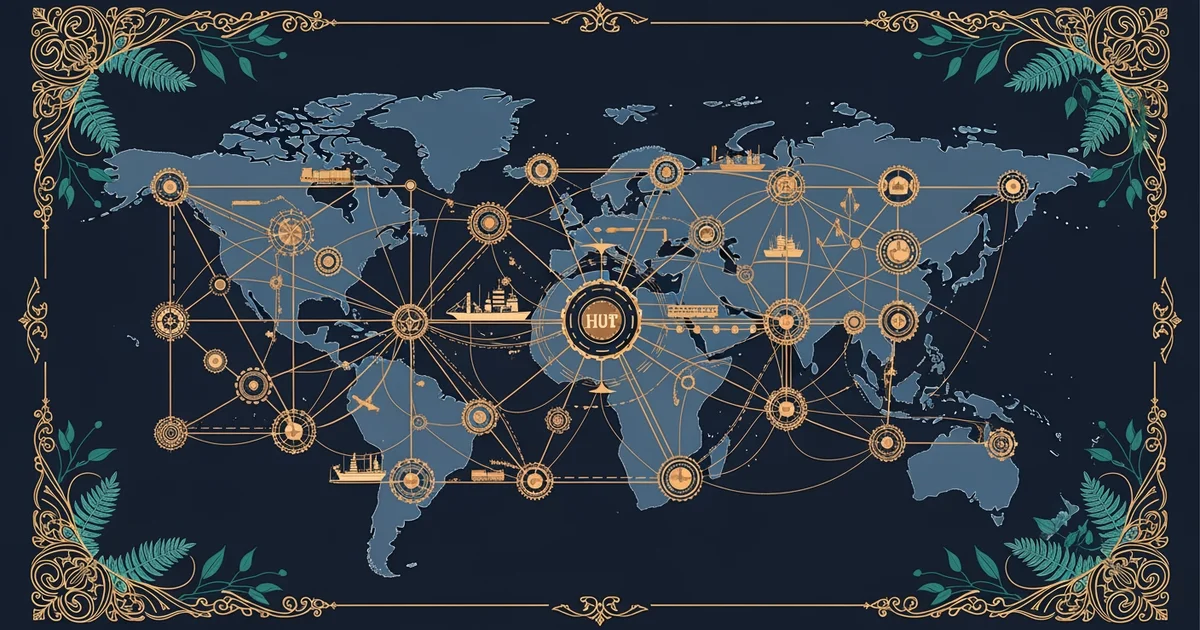
To build a truly resilient system, you must first map every single connection within your supply chain. Leaders often fail because they only track their direct suppliers while ignoring the hidden tiers behind them. A comprehensive framework requires you to identify every critical node that could potentially fail during a crisis. You should treat your supply chain like a living organism that needs constant monitoring and regular health checkups to survive. By creating a visual map of these dependencies, you can see where your risks are hiding before they cause major problems. This visibility is the foundation of any successful strategy because you cannot protect what you do not see.
Key term: Resilience modeling — the practice of using data and simulations to predict how a supply chain will respond to various stress events.
Once you have mapped your network, you must test it against various "what-if" scenarios that challenge your current setup. Many companies rely on historical data to predict future needs, but this approach often misses new or unique threats. You need to run simulations that force your model to handle extreme events like port closures or sudden raw material shortages. Think of this like a fire drill for your business where you practice the evacuation before the smoke actually fills the room. These drills reveal weak points in your communication lines and help you refine your response protocols for when trouble arrives.
Executing Resilience Through Actionable Steps
After testing your model, you must turn these insights into concrete actions that change how your team works every day. Strategic implementation fails when leaders create a plan but never change the daily habits of their staff. You need to integrate these resilience metrics into your standard performance reviews and operational goals for every department. By making resilience a core part of the culture, you ensure that everyone stays alert to potential dangers. The following steps provide a structured way to turn your theoretical models into real-world protective measures for your company:
- Diversify your sourcing base to prevent total reliance on a single geographic location or vendor.
- Maintain strategic buffer stocks for critical components that are difficult to replace on short notice.
- Develop redundant logistics routes that allow your goods to move even when primary paths close.
- Create automated alert systems that notify your team the moment a disruption begins to unfold.
These steps work together to create a safety net that catches your business if a primary process fails. When you combine these actions with the collaboration strategies discussed in earlier stages, you create a powerful defense against uncertainty. You are no longer just guessing about the future because you have built a system that anticipates and manages change effectively. This transition from passive observation to active management represents the final stage of your journey toward a robust and reliable supply chain.
Strategic implementation transforms abstract risk data into a functional system that protects business continuity by preparing for failure before it occurs.
The next step involves looking ahead at future trends to ensure your resilient supply chain remains relevant in a changing world.