
Simulation Logic
A sudden storm can block the main road that delivers your weekly grocery supply. When you map out every possible side street and alleyway before the storm hits, you gain the ability to keep your kitchen shelves stocked despite the chaos.
Understanding Simulation Logic
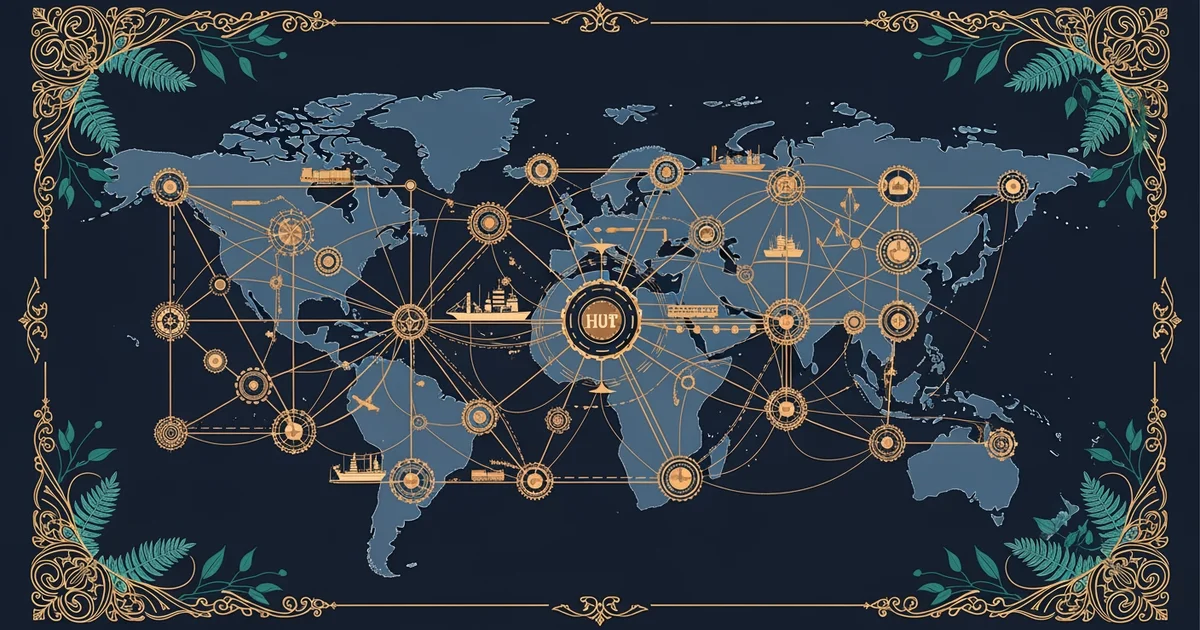
To build a resilient supply chain, you must use simulation logic to mimic real-world events. This method creates a virtual model of your entire network to see how parts interact under pressure. You assign specific rules to each warehouse, supplier, and transport route within your digital setup. When you change one variable, like closing a port or slowing down a factory, the model calculates the ripple effects across your business. This process mimics a pilot training in a flight simulator to handle engine failure. By testing these conditions in a safe space, you learn which links in your chain are fragile without risking your actual inventory or cash flow.
Key term: Simulation logic — the practice of using mathematical models to replicate business processes and predict how systems respond to external disruptions.
Once you establish these basic rules, you begin to define the variables that dictate how goods flow through your network. These variables act like the valves on a water pipe, controlling the speed and direction of your supplies. You might set a variable for transit time, which changes based on weather conditions or fuel costs. Another variable could be the capacity of a storage facility, which limits how much stock you can hold during a crisis. By adjusting these numbers, you observe how the system handles high demand or sudden shortages. This level of detail allows you to identify where your network bottlenecks occur when things do not go according to plan.
Constructing Network Flow Models
After setting your variables, you must organize the flow of information and products into a logical sequence. You can visualize this network as a series of connected points that move items from the origin to the final consumer. Each connection point represents a decision node where your model evaluates the best path for shipping. To ensure your model remains accurate, you should categorize the different types of flow that occur within your system:
- Operational flow represents the daily movement of standard inventory across your primary established distribution routes.
- Buffer flow accounts for extra stock kept at secondary locations to handle unexpected spikes in market demand.
- Emergency flow activates only when primary routes fail, redirecting shipments through alternative partners or slower transportation methods.
These categories help you see that not every shipment requires the same level of priority or speed. When you build these flows into your model, you create a dynamic map that shifts based on the situation.
| Flow Type | Primary Goal | Trigger Event | Capacity Usage |
|---|---|---|---|
| Operational | Cost efficiency | Daily demand | High |
| Buffer | Risk reduction | Minor delays | Medium |
| Emergency | Survival | Total failure | Low |
This table demonstrates how you prioritize resources based on the specific needs of your business environment. By testing these flows against different disruption scenarios, you gain a clear view of your system's limits. You might find that your emergency flow is too slow to prevent a total stockout, or your buffer flow is too expensive to maintain. These insights allow you to refine your strategy before a real crisis forces your hand. You are essentially building a map that shows you exactly where to place your resources for the greatest possible impact.
Predicting supply chain survival requires building digital models that test how different variables and flow paths respond to sudden, disruptive events.
Since these models reveal your system weaknesses, how do we use this information to perform stress testing on specific scenarios?
Want this with sources you can check?
Premium Learning Paths for Business & Entrepreneurship are researched against open-access libraries — PubMed, arXiv, government databases, and more — with their distinctive claims cited to real sources and independently checked.
See what Premium includes