
Threat Assessment
A sudden storm can ground every plane at an airport and leave passengers stranded for days. Supply chains face similar invisible storms that threaten to stop the flow of goods entirely.
Identifying Vulnerable Points
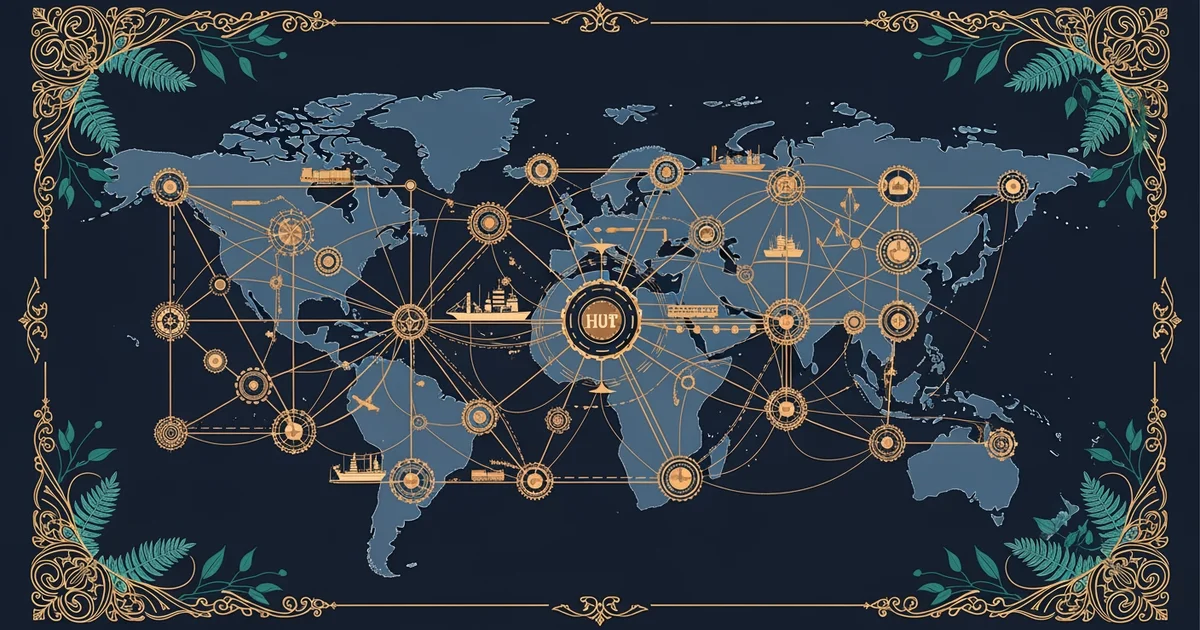
Businesses must conduct a formal threat assessment to identify potential disruptions before they actually occur. This process involves mapping every stage of the supply chain to find weak links that could snap under pressure. Imagine a chain holding a heavy weight where some links are rusted while others remain strong. You must find the rusted spots before the weight falls and causes damage to your operations. By documenting every route, supplier, and transport method, you create a clear picture of where failures might happen. This mapping allows managers to see if they rely too heavily on a single path or a single partner. If that one path becomes blocked by weather or strikes, the entire flow of goods stops immediately. You should categorize these risks by their likelihood of occurring and the level of damage they might cause. This helps prioritize which threats need urgent attention and which ones can be monitored over time.
Key term: Threat assessment — the systematic process of identifying and evaluating potential risks that could disrupt business operations or supply chains.
Once you identify these risks, you must analyze how they impact specific routes or suppliers. Some routes are prone to seasonal weather events like floods or heavy snow that occur predictably. Other threats are human-made, such as sudden changes in local laws or labor strikes at major ports. You should use a structured approach to record these findings so your team can act quickly when trouble starts. The goal is not to eliminate every possible risk, as that would be too costly for most firms. Instead, the goal is to build a defense that makes the supply chain flexible enough to handle unexpected shocks without breaking. When you know where the danger lies, you can prepare alternative plans for those specific segments of your network.
Mapping Impact and Probability
To manage these threats, you can use a matrix to visualize the relationship between the probability of an event and its total impact. This tool helps leaders decide which risks require immediate investment and which can be managed through simple observation. A threat that is very likely to happen and causes massive damage must be the top priority for your team. You might decide to keep extra stock or find a secondary supplier to mitigate such a critical risk.
| Threat Type | Likelihood | Impact Level | Mitigation Strategy |
|---|---|---|---|
| Port Strike | Medium | High | Use alternate ports |
| Severe Weather | High | Medium | Adjust seasonal stock |
| Supplier Failure | Low | High | Diversify your partners |
This table shows how different threats require different levels of attention based on their specific characteristics. When you view threats in this way, you move from reacting to problems to actively managing your exposure. This shift in perspective is the foundation of a resilient business that can survive when others fail. By constantly updating this map, you ensure that your assessment remains relevant as global conditions change over time. Every new piece of data you collect helps refine your understanding of the risks you face daily.
Effective threat assessment transforms hidden supply chain vulnerabilities into managed risks that a business can prepare for through strategic planning.
The next Station introduces efficiency tradeoffs, which determines how much safety you can afford to build into your supply chain.