
Scenario Stress Testing
Imagine a bridge built to hold five cars that suddenly faces a line of ten heavy trucks. If the bridge engineers never tested it for that extra weight, the entire structure would collapse under the unexpected pressure. Businesses face similar risks when they operate without testing their supply chains against sudden, harsh realities. By using scenario stress testing, managers simulate extreme events to see how their networks handle intense strain. This process reveals hidden weaknesses before a real crisis forces a costly shutdown of operations. It is the difference between a planned response and a panicked reaction during a global supply disruption.
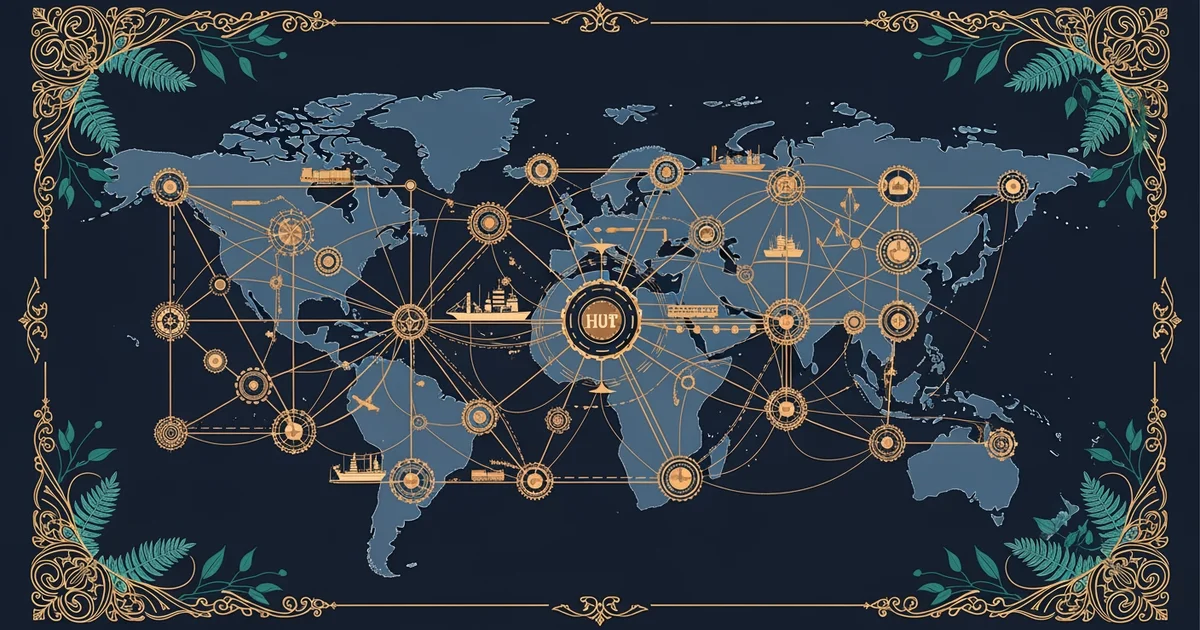
Testing Network Resilience
When a company performs a stress test, they identify specific nodes that might fail under pressure. A node could be a single factory, a shipping port, or a vital supplier located in a volatile region. Managers then create a model to see how the loss of that node affects the entire flow of goods. Just as a runner tests their endurance by sprinting up a steep hill, a company tests its supply chain by removing a critical link. If the company cannot reroute inventory or find new suppliers quickly, the simulation highlights a major vulnerability in their current architecture. This data allows the team to build extra capacity into the system before an actual disaster occurs.
Key term: Node — any single point within a supply chain network, such as a warehouse or a manufacturing facility, that facilitates the movement of goods.
Effective stress testing requires a clear focus on the most likely threats to the business model. Teams often categorize these threats by their potential impact and the likelihood of their occurrence in the real world. By ranking these scenarios, companies can prioritize which parts of the network need immediate reinforcement or backup plans. This structured approach ensures that resources go toward the most dangerous risks rather than minor inconveniences. Following this logic, firms can build a robust defense that protects their bottom line against unpredictable market forces.
Analyzing Failure Points
To understand how a network might break, planners use specific data points to measure the health of the supply chain. These metrics help the team visualize exactly where the system will buckle when demand spikes or supply vanishes. The following table illustrates how different types of stress impact the flow of products across a global network.
| Stress Type | Primary Impact | Recovery Strategy |
|---|---|---|
| Port Closure | Shipping delay | Air freight rerouting |
| Factory Fire | Supply shortage | Secondary source activation |
| Power Outage | Data disruption | Cloud backup integration |
When you review this table, notice how each stressor triggers a different type of operational response. A port closure demands a change in logistics speed, while a factory fire requires a change in production sourcing. By mapping these responses, the business creates a playbook that guides leaders during actual emergencies. This preparation transforms a chaotic event into a manageable task that follows a pre-defined set of logical steps.
- Identify the most critical nodes within the global supply network.
- Apply a specific stress scenario to see how the system reacts.
- Measure the time it takes for the network to reach stability.
- Adjust the backup plans to improve the overall recovery speed.
These steps create a cycle of continuous improvement for any growing business. When a company repeats this process, they learn to anticipate problems rather than just reacting to them. This proactive stance is the hallmark of a resilient organization that stays ahead of its competition. By understanding where the system is fragile, managers can allocate capital to strengthen those specific areas. This creates a more stable foundation that supports long-term growth even when global conditions become difficult or unstable. The goal is not to prevent every disaster, but to ensure the business survives when the unexpected happens.