
Risk Introduction
Imagine your favorite local cafe suddenly runs out of coffee beans because a storm delayed the shipment across the ocean. This simple disruption shows how fragile global trade networks are when they face unexpected events that stop the flow of goods. Every business relies on a complex chain of suppliers, manufacturers, and logistics partners to deliver products to customers on time. When one link in this chain breaks, the entire process can grind to a halt, leading to lost sales and unhappy clients. Understanding these potential failures is the first step toward building a system that can survive almost any crisis.
Identifying Primary Vulnerabilities
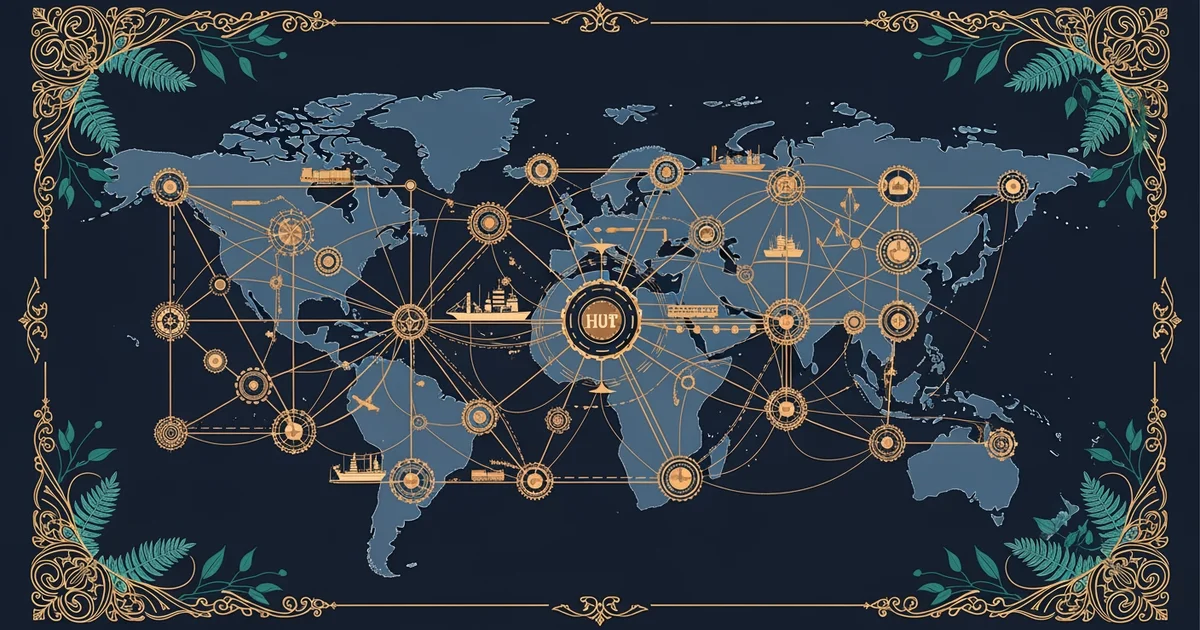
Supply chain risks often hide in plain sight until a major event forces them into the light. These vulnerabilities act like thin ice on a frozen lake, which might hold weight until a sudden shift causes a collapse. By categorizing these risks, managers can better prepare for the storms that threaten their daily operations. We generally group these threats into three distinct buckets based on their origin and the nature of the damage they cause to the flow of materials.
Key term: Supply chain risk — the probability of an event causing a significant disruption in the flow of goods or services from the source to the final consumer.
These categories help us organize our thinking about how to protect our business interests:
- Operational risks involve internal failures such as broken machinery, labor strikes, or errors in software that track inventory levels and shipping routes.
- Environmental risks include external forces like natural disasters, extreme weather patterns, or pandemics that physically block the movement of goods across borders.
- Market risks occur when sudden shifts in consumer demand, changing government regulations, or unexpected price hikes from suppliers destabilize the financial health of the logistics network.
Categorizing Global Logistics Threats
Once we identify these categories, we can evaluate how they impact our specific business goals and long-term stability. The following table illustrates how different types of risks interact with the various stages of a standard global logistics process.
| Risk Type | Primary Driver | Impact Area | Frequency |
|---|---|---|---|
| Operational | Internal Error | Production | High |
| Environmental | Nature/Climate | Transport | Low |
| Market | Economic Shift | Demand | Medium |
This table highlights that while operational issues happen frequently, they are often easier to manage than rare environmental disasters. A company must balance its resources to address the high-frequency operational problems while also creating backup plans for the low-frequency but high-impact disasters. If you ignore the rare events, a single flood or strike could destroy years of careful growth. By spreading focus across these areas, a business creates a safety net that catches the impact of a disruption before it reaches the customer. Think of this as wearing a seatbelt while driving; you do not expect a crash, but you remain prepared for the possibility every time you start the engine.
Building this awareness requires looking at your partners and asking what happens if they suddenly disappear from the map. Does your supplier have a backup warehouse? Can your shipping company find a different route if a port closes? These are the questions that define a resilient business strategy. You must move beyond simple planning and start testing your systems against these hypothetical scenarios to ensure true readiness. Identifying the source of the risk is only the beginning of the journey toward total supply chain stability.
Predicting potential disruptions allows businesses to build robust systems that keep goods moving even when major parts of the network fail.
The next step involves exploring how to turn these risk assessments into a concrete plan for resiliency.