
Collaboration Strategies
When the global semiconductor shortage hit in 2020, automotive giants like Ford and Toyota suddenly faced empty assembly lines because they lacked visibility into their tier-two suppliers. This crisis serves as a harsh lesson in the dangers of working in silos, proving that modern supply chains must operate as connected ecosystems rather than isolated links. By shifting from transactional interactions to deep partnerships, companies create a shared defense against the unpredictable nature of global markets. This approach mirrors the way a professional rowing team coordinates every stroke to maintain speed, ensuring that no single member creates drag for the entire vessel. Building these strong alliances requires a deliberate move toward transparency, where partners trade sensitive data to ensure everyone survives the next unexpected disruption.
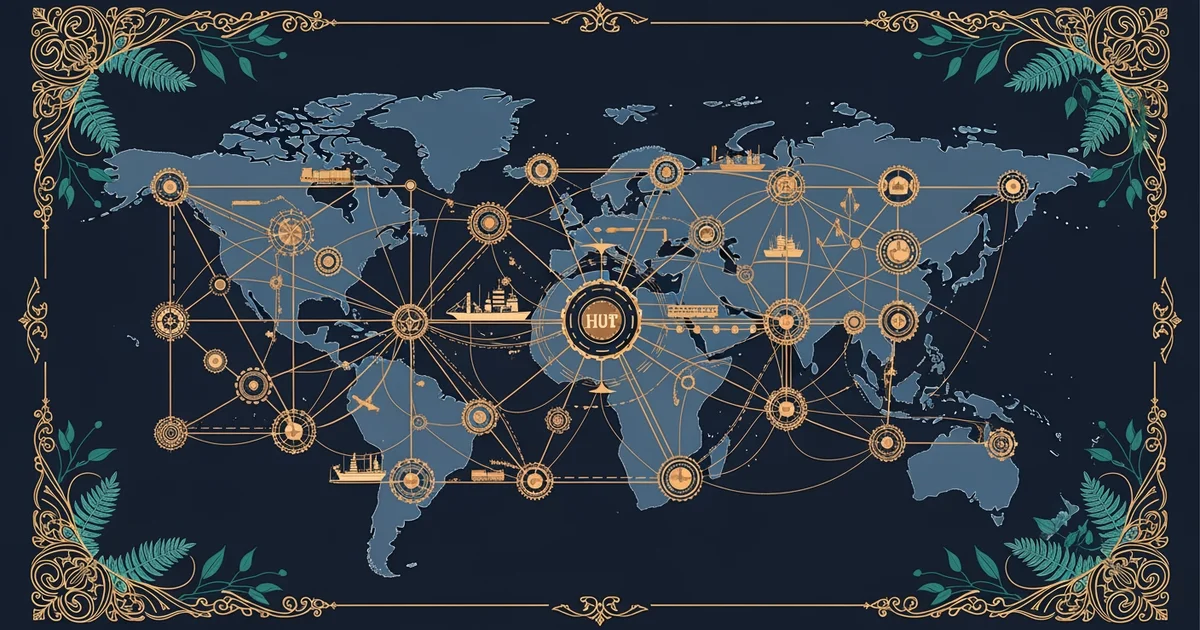
Establishing Collaborative Risk Mitigation
To move beyond simple vendor contracts, managers must prioritize supply chain visibility by integrating digital platforms that allow all partners to view inventory levels in real-time. This level of openness prevents the bullwhip effect, where small fluctuations in retail demand cause massive overreactions in manufacturing orders further up the chain. When partners share their internal data, they can identify potential bottlenecks before those issues paralyze the entire production flow. This practice creates a buffer of shared knowledge, allowing businesses to pivot quickly when a specific supplier faces a labor strike or a natural disaster. By treating vendors as strategic extensions of the internal team, a company gains the ability to forecast risks with much higher accuracy than those who keep their suppliers at a distance.
Key term: Supply chain visibility — the ability of all parties in a supply chain to track and access real-time data regarding the location and status of goods.
Collaborative strategies rely on the idea that a network is only as strong as its weakest link. Companies often use a structured approach to categorize their partners based on their impact on overall stability. This ranking helps leaders decide where to invest their limited time and resources for the greatest safety return. The following table outlines how different tiers of partners contribute to overall system stability during times of high uncertainty.
| Partner Tier | Strategic Role | Primary Contribution | Risk Management Focus |
|---|---|---|---|
| Critical | Core Operations | Essential Components | Joint Disaster Planning |
| Tactical | Support Roles | Secondary Materials | Regular Performance Audits |
| Commodity | General Goods | Standardized Supplies | Price and Volume Control |
Implementing Shared Security Protocols
Once businesses identify their critical partners, they must formalize their cooperation through shared security protocols that protect the entire network from failure. These protocols involve creating joint contingency plans that outline exactly who takes action when a disruption occurs, removing the confusion that often follows a crisis. By conducting regular joint stress tests, teams simulate various disaster scenarios to see how their combined systems respond under pressure. This proactive preparation ensures that all stakeholders understand their responsibilities before a real emergency forces their hand. When everyone knows their specific role in a crisis, the collective response time drops significantly, saving both time and money for the entire group.
These collaborative efforts require a high level of trust, which is developed through consistent communication and clear goal alignment between all participating organizations. Companies that succeed in this area often create shared dashboards that display key performance indicators for the entire chain, rather than just their own internal metrics. This unified view fosters a sense of shared destiny, where the success of the supplier becomes synonymous with the success of the buyer. By aligning incentives, such as offering long-term contracts in exchange for priority access during shortages, businesses build a foundation of loyalty that is difficult to break. This strategy transforms the supply chain from a fragile sequence of events into a resilient web that can absorb shocks and recover faster than any individual firm acting alone.
True supply chain resiliency emerges when businesses move beyond individual interests to build a transparent, shared ecosystem where every partner is prepared for potential disruptions.
But this model breaks down when internal corporate cultures refuse to share proprietary data with external partners.