
Technology Integration
When the 2011 earthquake struck Japan, Toyota faced a massive production halt because a single tiny sensor chip was unavailable for assembly. This event proved that even a giant global company remains vulnerable if they cannot see deep into their supply chain network. The failure to track sub-tier suppliers creates a blind spot that can stop an entire assembly line in seconds. Digital tools now allow businesses to bridge this gap by providing visibility into every link of the chain. By integrating these systems, managers can spot risks before they manifest as full-scale production disasters. This proactive stance represents the core of modern supply chain management and resiliency planning.
Leveraging Real-Time Monitoring Systems
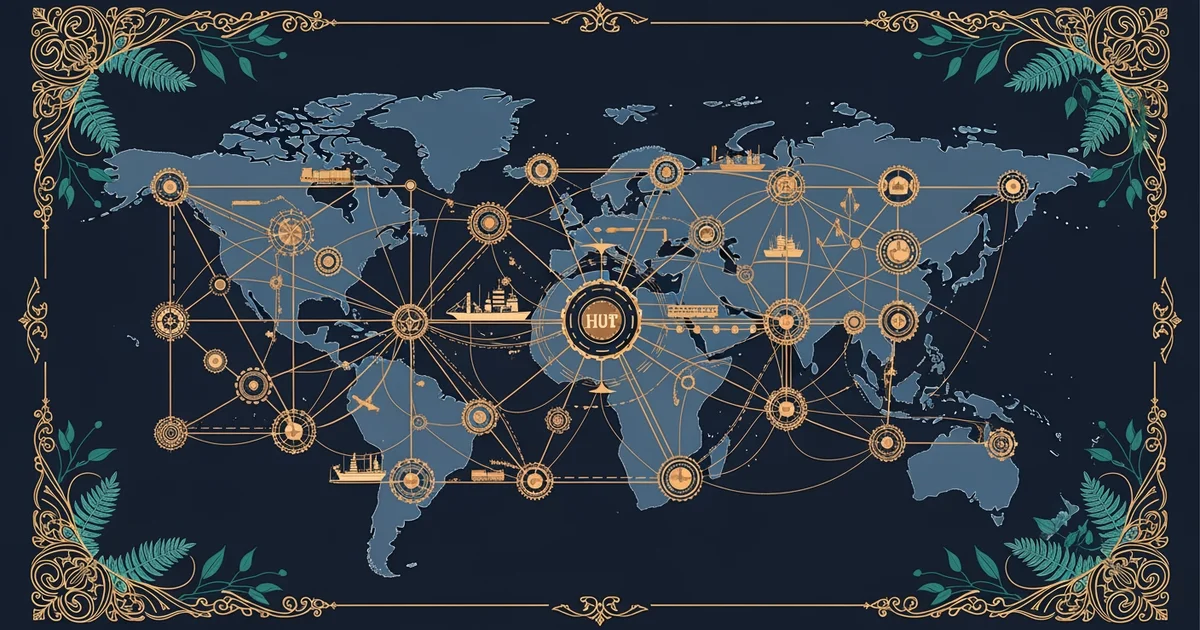
Modern businesses use digital twins to simulate their entire supply chain in a virtual space. Think of this tool like a flight simulator for your company because it mimics real conditions without risking actual inventory. When a storm hits a port, the digital model shows exactly which shipments are delayed and how that affects your final delivery dates. You can input data from your warehouse sensors to update the model every single hour. This constant flow of information helps leaders decide if they should switch suppliers or reroute goods to avoid the trouble zone. Without this digital map, managers are essentially driving a high-speed car through fog without any headlights to guide them.
Key term: Digital twin — a virtual replica of a physical supply chain system used to test scenarios and monitor performance in real time.
To keep these models accurate, firms must connect their software to the actual logistics hardware on the ground. This process involves installing tracking devices that transmit location and status updates back to the central hub. When these tools work together, they create a transparent environment where every part has a known location. Managers can then focus on solving problems rather than searching for lost containers or missing information. The following table highlights how different tracking technologies serve specific needs within the supply chain network.
| Technology Type | Primary Function | Data Frequency | Best Use Case |
|---|---|---|---|
| RFID Tags | Tracking items | High frequency | Warehouse stock |
| GPS Trackers | Vehicle location | Real time | Long haul transit |
| IoT Sensors | Climate control | Continuous | Cold chain goods |
Integrating Data for Smarter Decisions
Once you have the data, you must integrate it into your existing planning models to create actionable insights. This step prevents the common mistake of having too much information but not enough usable knowledge. Companies often use predictive analytics to process this incoming data and identify patterns that humans might miss entirely. If the system notices that a specific supplier is consistently late during monsoon seasons, it will suggest finding an alternative source before the next season begins. This type of automated intelligence turns raw numbers into a strategic advantage that keeps operations running during unexpected crises.
Integrating these systems requires a commitment to data quality across every department in the organization. If the warehouse team uses different software than the shipping department, the data will not match up. You must ensure that every piece of software speaks the same language to maintain a single version of the truth. When all departments share a unified dashboard, the business can respond to disruptions as a single cohesive unit. This alignment is essential for surviving the complex challenges that modern global markets present to growing companies today. By building this digital infrastructure, you create a foundation that supports long-term growth and stability for your entire supply chain operation.
Technology integration transforms hidden supply chain risks into visible data points that allow for rapid and informed decision-making.
But this model depends entirely on the accuracy of the data input, which raises the question of how we maintain trust in automated systems when human error occurs.