
Future Trends
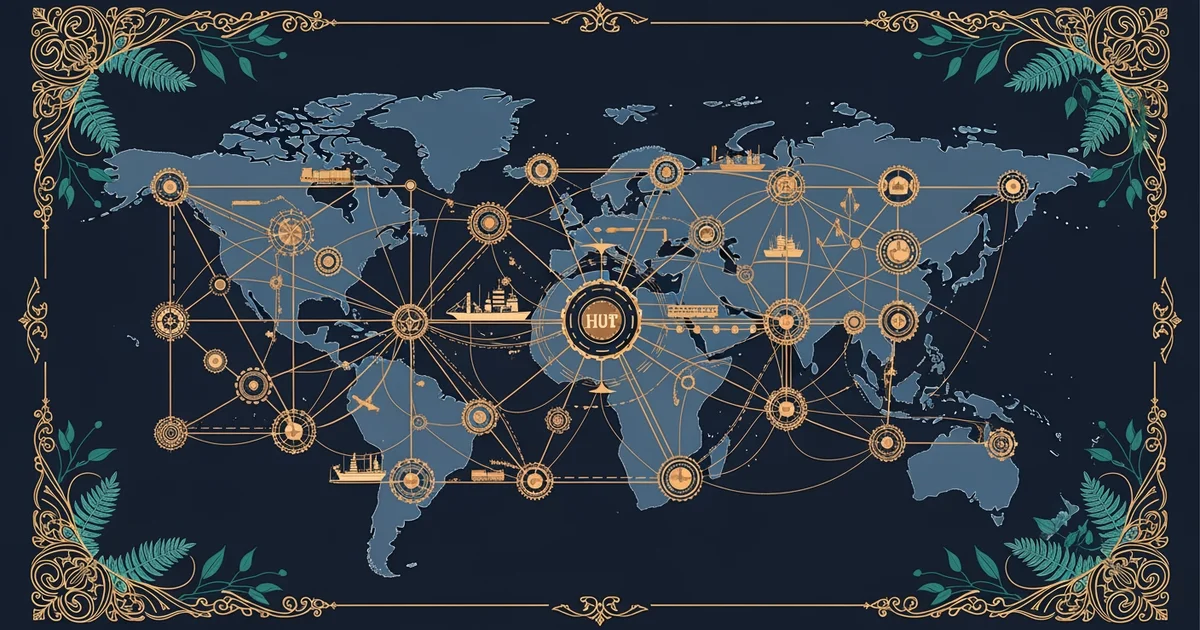
Global markets often resemble a fragile glass bridge that snaps when too many people cross at once. Companies must now move beyond simple planning to build networks that flex instead of breaking under pressure. You can imagine your supply chain like a sturdy rubber band that stretches during a sudden market spike but eventually returns to its original shape. This flexibility is the core of modern business survival in a world where trade routes shift overnight. By embracing new technology and smarter logistics, businesses can turn potential disasters into manageable hurdles that keep their operations running smoothly.
Adapting Through Digital Integration
Digital tools now serve as the nervous system for a company, allowing leaders to see disruptions before they become crises. When you integrate predictive analytics into your daily workflow, you gain the ability to forecast demand swings with extreme precision. This process involves collecting massive amounts of data from shipping ports, weather reports, and consumer trends to identify hidden risks. Instead of reacting to a broken chain, you proactively reroute shipments or adjust inventory levels to avoid the bottleneck entirely. This shift from reactive firefighting to proactive navigation defines the next generation of global supply chain management.
Key term: Predictive analytics — the use of data, statistical algorithms, and machine learning to identify the likelihood of future outcomes based on historical data.
Building a resilient network requires more than just software because it also demands a change in how you source your materials. Many firms are moving away from single-source suppliers to create a diversified ecosystem that protects against regional failures. If one factory shuts down due to a local event, your business can instantly switch to an alternative partner in a different zone. This strategy acts like an insurance policy for your production line, ensuring that you never rely on one single point of failure. While this might increase initial costs, the long-term stability it provides is worth the investment for any growing business.
Building Future Logistics Frameworks
Future logistics will rely on automation to keep goods moving even when human labor faces sudden, unexpected constraints. You can compare this to a self-healing material that repairs small cracks before they cause the entire structure to collapse. By deploying robots and smart sensors, companies can maintain consistent output levels throughout the entire production cycle regardless of external conditions. The following table outlines how these new technologies compare to the traditional methods of managing global logistics.
| Technology | Primary Benefit | Operational Impact |
|---|---|---|
| AI Forecasting | Speed of insight | Reduces wasted stock |
| Autonomous Drones | Rapid delivery | Bypasses road congestion |
| Blockchain Ledgers | Data transparency | Prevents fraud errors |
These advancements allow for a higher level of precision in every step of the logistics chain. When you combine these tools, you create a system that learns from past mistakes and improves its own response time. This evolution helps businesses predict and survive major supply chain disruptions by creating layers of protection that act as a buffer against global instability. You are essentially building a system that anticipates trouble, diversifies risk, and uses automation to maintain steady progress toward your long-term goals. Every decision you make today regarding these technologies prepares your company to handle the complex challenges of tomorrow.
True supply chain resilience comes from combining data-driven forecasting with a flexible network of partners that can adapt to sudden changes.
Building a resilient supply chain is a continuous process of learning and adapting to the changing needs of the global market.