
Future Frontiers in Research
Modern science faces a massive puzzle when trying to untangle why the brain becomes locked in harmful patterns. Many researchers now argue that traditional talk therapy alone fails to address the deep biological roots of these cycles. New frontiers in science look beyond simple willpower to repair the damaged reward circuitry within the human brain. Scientists are now testing ways to reset these pathways using advanced technology and precise chemical interventions. This shift marks a move from managing symptoms toward fixing the underlying hardware of human motivation.
Emerging Technologies for Brain Repair
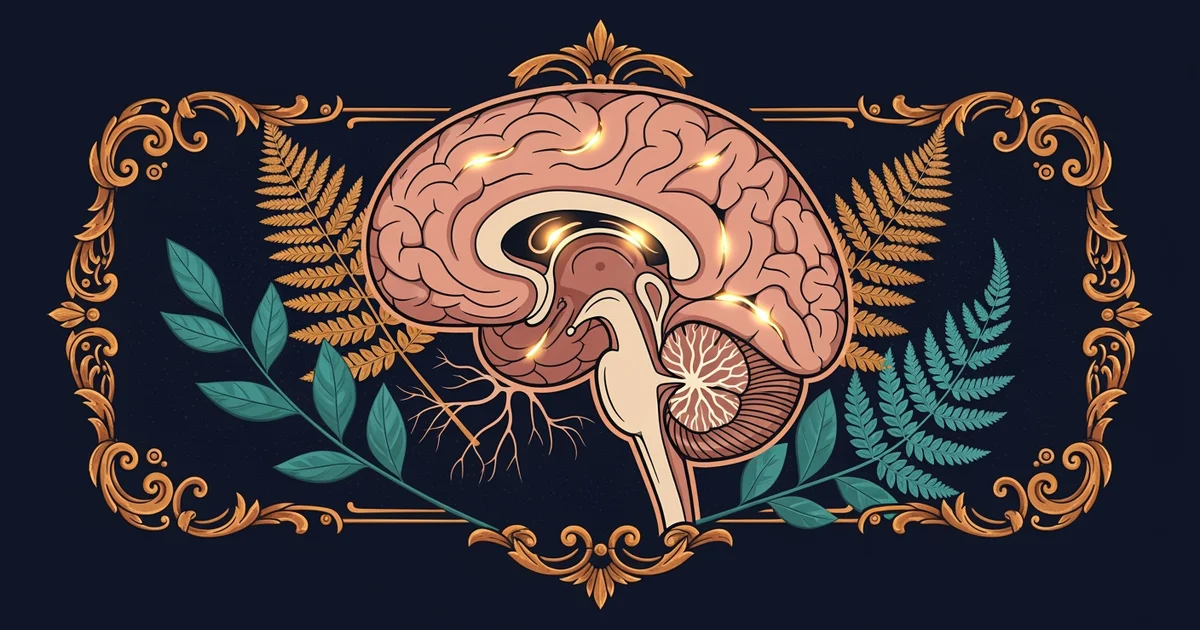
One promising field involves neuromodulation, which uses electrical pulses to recalibrate how neurons fire in specific brain regions. Think of the brain like a city power grid that has developed a persistent short circuit in a high-traffic area. Instead of just turning off the lights, technicians now use targeted pulses to reroute the flow and restore normal operation. This approach allows doctors to reach deep structures like the nucleus accumbens without needing invasive surgery. By stabilizing these signals, the brain can regain its ability to find pleasure in healthy, natural rewards once again.
Another frontier focuses on neuroplasticity, which is the brain's natural ability to reorganize itself by forming new neural connections. Researchers are testing compounds that act like biological fertilizer to help the brain grow and repair damaged synapses. This process helps the mind break free from rigid habits that trap it in cycles of harm. When combined with behavioral training, these treatments provide a way to rebuild the internal map of what the brain values most. It is not just about stopping a bad habit but about building a new path for healthier choices.
Future Directions in Clinical Treatment
Moving forward, the field is exploring how to personalize these treatments for each unique person. Because every brain has a different history, a one-size-fits-all approach to recovery rarely yields long-term success. Scientists are currently evaluating several new strategies to improve patient outcomes:
- Genetic screening helps doctors identify specific biological markers that make some individuals more prone to reward system imbalances.
- Digital therapeutics provide real-time feedback loops that train the brain to recognize and stop impulsive triggers before they escalate.
- Pharmacological agents are being developed to block specific receptors that keep the brain stuck in a loop of seeking artificial rewards.
These tools work together to create a comprehensive plan that addresses both the biology and the environment of the learner. By integrating these diverse methods, the field aims to offer more than just temporary relief from cycles of harm.
| Treatment Method | Primary Goal | Target Mechanism |
|---|---|---|
| Neuromodulation | Reset signals | Electrical pulse |
| Neuroplasticity | Growth/Repair | Synaptic density |
| Digital Therapy | Habit change | Feedback loops |
This table illustrates how different strategies target distinct parts of the reward system. While neuromodulation changes electrical speed, neuroplasticity builds the physical structure of the brain. Digital tools act as a bridge that connects these internal changes to the person's daily life choices. Understanding these tools helps us see that the brain is not a static object but a dynamic system capable of change. Future research must continue to bridge the gap between these high-tech interventions and practical, everyday living for all people.
The future of recovery lies in using technology to rewire brain circuits while simultaneously encouraging the growth of new connections that support healthier life choices.
Understanding how we can repair the brain's reward system provides a path toward lasting change that moves beyond simple willpower.