
The Brain as a Reward Machine
Imagine you are playing a video game and you finally reach the final boss level. Your heart pounds, your palms sweat, and you feel a surge of intense focus as you prepare to strike. This feeling is not just excitement, but a biological signal telling your brain that the task ahead is vital for your success. Your brain treats important goals like precious currency, using specific chemicals to track what matters for your survival. By understanding this process, you learn why your brain sometimes pushes you toward actions that feel good but might not serve your long-term needs.
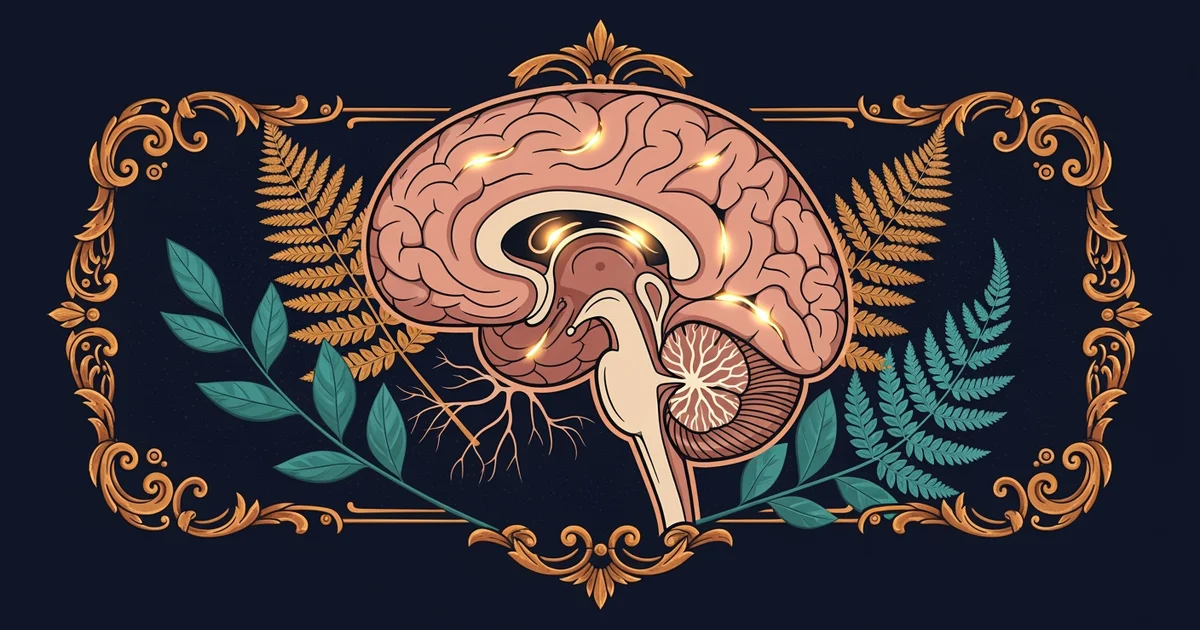
The Brain as a Reward Machine
Your brain functions like a highly efficient machine that constantly evaluates the world for potential value. Every time you encounter something beneficial, like finding food or solving a difficult puzzle, your brain releases a chemical messenger called dopamine. This substance acts as a signal that marks an experience as significant, telling your brain to pay close attention. Think of dopamine like a notification on your phone that alerts you to a message from a friend. Just as you prioritize reading that message, your brain prioritizes the action that triggered the chemical release. This system ensures you remember where to find food or how to solve problems in the future.
Key term: Dopamine — a chemical messenger in the brain that reinforces behaviors by creating a sense of importance or reward.
When dopamine floods your neural pathways, it creates a powerful learning signal that strengthens the connection between an action and its outcome. If you perform a task and receive a positive result, your brain wants to repeat that exact sequence to get the same feeling again. This mechanism is essential for human survival because it motivates you to seek out resources that keep you healthy and safe. Without this internal reward system, you would lack the drive to pursue the things necessary for your well-being. The brain is essentially hardwired to seek out these signals, making it very effective at learning what behaviors lead to positive results.
How Signals Influence Daily Choices
This reward process creates a cycle where your brain constantly scans your environment for opportunities to gain more of this chemical signal. You might find that your brain starts to anticipate a reward before you even finish an activity, which is why you feel motivated to start a project. The following table highlights how different types of natural activities trigger this internal reward system to keep you functioning properly:
| Activity Type | Primary Goal | Brain Signal Function |
|---|---|---|
| Eating Food | Energy intake | Encourages survival habits |
| Socializing | Cooperation | Builds helpful relationships |
| Learning | Skill building | Promotes long-term growth |
By tracking these activities, your brain ensures that you spend your limited time and energy on things that provide clear benefits. This system works perfectly in nature, but it can become complicated when modern life offers shortcuts to these rewards. Your brain does not always distinguish between a healthy reward and a synthetic one, which is why you might feel drawn to behaviors that offer a quick boost without providing actual survival value. Understanding this distinction is the first step in learning how to manage your own impulses and make better choices.
The way your brain processes these signals determines your habits and your overall outlook on the world around you. When you recognize that your brain is simply trying to help you survive, you can begin to see your own behaviors with more clarity. This path will guide you through the complex relationship between your biology and the choices you make every single day. By the end of this journey, you will have a complete understanding of how reward systems shape human behavior and how you can take control of your own mental habits.
The brain uses chemical signals to mark important experiences as valuable, which drives you to repeat behaviors that it believes are necessary for your survival.
Next, we will explore how natural rewards differ from synthetic ones and why your brain struggles to tell them apart.