
Environmental Cues and Triggers
Walking past a familiar bakery often triggers an immediate, intense craving for a specific pastry. This common experience happens because your brain links the scent of fresh bread to the reward of eating it. Even without physical hunger, your body prepares itself for a snack the moment the aroma hits your nose. These external signals act like hidden switches that turn on deep-seated habits before you even consciously decide to act. Understanding these triggers is essential for anyone trying to gain control over their daily routines and automatic responses.
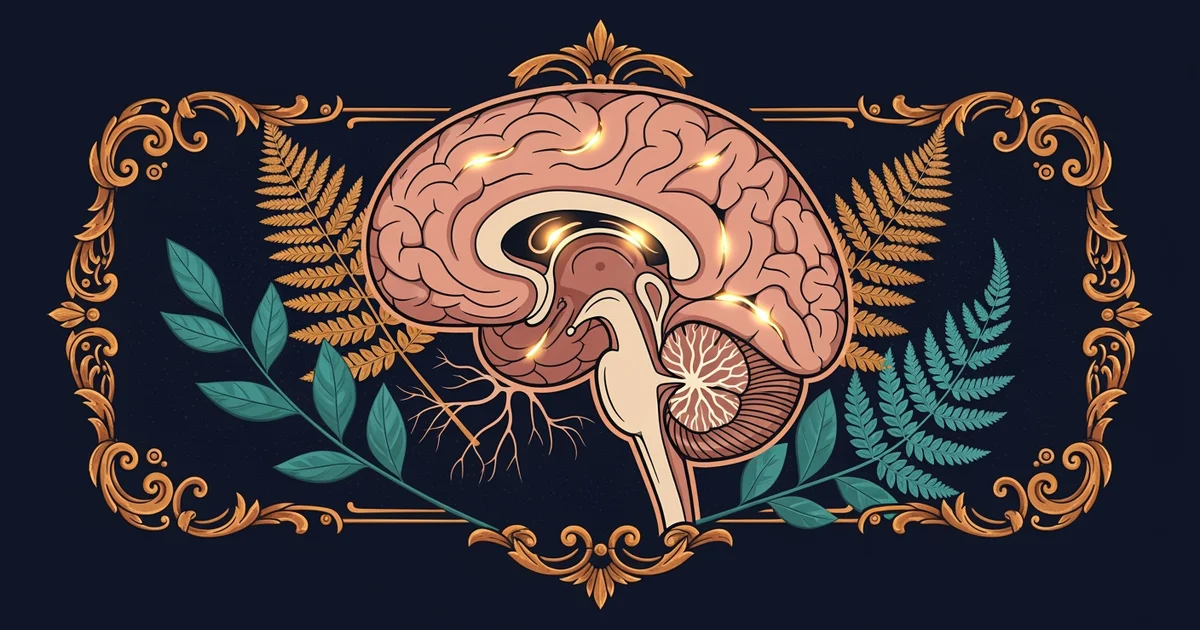
The Mechanism of Conditioned Responses
When we encounter specific stimuli in our surroundings, our brains engage in a process called associative learning. This process links a neutral environmental factor, such as a specific location or smell, to a biological reward. Over time, the brain stops waiting for the actual reward and begins reacting to the signal alone. Think of this process like a high-end security alarm system installed in your home. If a sensor detects movement near the front door, the alarm sounds even if the person approaching is just a friendly neighbor. Your brain acts as the security system, sounding the alarm of craving whenever it detects a familiar environmental cue.
This automatic reaction serves as a powerful survival tool in nature, but it often works against us in modern life. By constantly exposing ourselves to specific triggers, we train our neural pathways to fire in predictable patterns. These patterns become so ingrained that they operate beneath our level of conscious awareness. If you always check your phone when you sit down at your desk, the desk itself becomes a trigger for distraction. Your brain has effectively programmed a shortcut that bypasses your logical decision-making process entirely. This cycle is how the human brain becomes trapped in behaviors that cause long-term harm.
Environmental Cues and Behavioral Loops
To manage these responses, we must first identify the specific environmental cues that drive our actions. These cues can be visual, auditory, or even social in nature. They function as constant, silent prompts that nudge us toward habitual behaviors throughout the day. Consider the following types of triggers that influence how we behave in various settings:
- Visual cues involve seeing specific objects, such as a gaming console, that immediately prompt you to start playing regardless of your other responsibilities.
- Auditory cues include hearing a specific notification sound on your device, which triggers an urgent need to check for new messages or social updates.
- Social cues occur when being around certain people prompts us to adopt specific habits or speech patterns that we might otherwise avoid when we are alone.
Each of these triggers reinforces the neural pathways associated with the habit. By recognizing these external influences, we can begin to dismantle the automatic nature of our responses. Instead of letting the environment dictate our choices, we can consciously redesign our surroundings to support better long-term decisions.
| Trigger Type | Sensory Input | Typical Response | Strength of Habit |
|---|---|---|---|
| Visual | Sight | Immediate Action | Very High |
| Auditory | Sound | Alert/Check | High |
| Social | Presence | Mirroring | Moderate |
This table illustrates how different sensory inputs create varying levels of automatic response in the brain. The strength of the habit depends on how often the cue is paired with the reward. When we change our environment, we break the connection between the cue and the response. This disruption forces the brain to pause and re-evaluate the situation instead of acting on pure instinct. By intentionally limiting our exposure to strong triggers, we regain the ability to make deliberate choices. This process is the first step in breaking cycles of harmful behavior and reclaiming cognitive control over our daily lives.
Environmental cues function as external triggers that bypass conscious thought by activating deeply ingrained neural pathways associated with past rewards.
The next Station introduces memory, which determines how these cues are stored and recalled over time.