
The Stress-Addiction Axis
Imagine you have a busy office where the boss demands urgent results every single hour of the day. When the pressure becomes too high, the office workers start taking shortcuts to finish their tasks faster and survive the shift. Your brain functions in a similar way when it faces constant, high levels of stress. The biological systems that govern your mood and drive for rewards begin to shift their priorities to manage the incoming chaos. This process creates a bridge between your environment and your internal drive to seek out relief through specific behaviors.
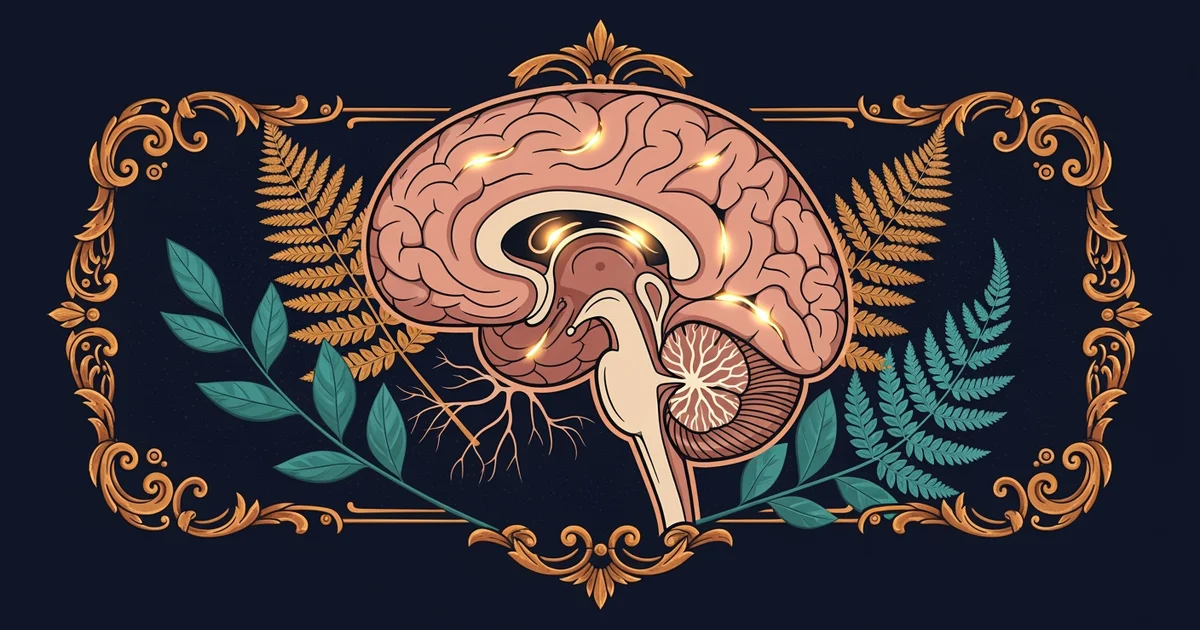
The Biology of Stress and Reward
When you encounter a stressful situation, your body releases a hormone called cortisol to help you stay alert and focused. This chemical acts like a high-interest loan that provides quick energy to deal with immediate threats or challenges. While this is helpful in small, short bursts, your brain struggles if the loan remains open for too long. Chronic stress forces your brain to stay in a state of high alert, which eventually exhausts your internal resources for managing calm emotions. The brain then begins to look for external ways to balance the high cost of this ongoing stress response.
Key term: Cortisol — the primary stress hormone that triggers the fight or flight response to help the body deal with immediate physical or mental pressure.
As your internal supply of calm fades, your brain starts to prioritize activities that offer a rapid, reliable reward. This shift happens because your reward system, which usually tracks long-term goals, becomes hyper-focused on immediate relief from the discomfort of stress. You can think of this like a person who chooses to spend their entire paycheck on a single luxury item instead of paying their monthly bills. The brain chooses the quick, intense reward because it perceives the long-term cost of stress as a more dangerous threat than the short-term impact of the behavior.
Chronic Stress and Behavioral Patterns
When stress remains high for long periods, the brain changes how it processes the value of different rewards. It starts to undervalue healthy, slow-building activities and overvalues anything that provides an instant chemical spike. This change in valuation makes it much harder to choose habits that support your long-term health. The following list explains how this process alters your daily decision-making habits over time:
- The brain reduces the sensitivity of its natural reward pathways, which means normal pleasures no longer feel as satisfying as they once did.
- The stress response system stays active, creating a constant need for a counterbalance that usually comes from high-intensity or addictive behaviors.
- The prefrontal cortex, which handles logic and planning, loses its ability to override the impulsive signals coming from the deeper emotional centers of the brain.
This cycle creates a feedback loop where the more stress you feel, the more you seek out quick rewards to cope with that stress. The behavior intended to provide relief actually keeps the stress system running at a high level. Because the brain becomes accustomed to these spikes, it often requires more frequent or intense behaviors to achieve the same feeling of relief. This is the core mechanic of the stress-addiction axis, where the brain becomes trapped in a cycle of seeking relief from its own internal pressure. By understanding this, you can see why willpower alone is rarely enough to break the cycle when your biology is constantly working against you.
Chronic stress forces the brain to prioritize immediate, intense rewards as a survival mechanism to cope with the ongoing pressure of the fight or flight response.
Now that we understand how stress shifts our reward priorities, how can the brain regain its ability to change and form new, healthier patterns?