
Natural Rewards vs Synthetic
Imagine you are eating a crisp apple after a long hike through the woods. Your brain releases a small surge of dopamine, rewarding you for finding a healthy source of energy. This natural process helps humans survive by reinforcing behaviors that keep our bodies strong and functional over time. Our brains evolved this reward system long ago to ensure we seek out food, water, and social connection. This ancient mechanism operates like a steady bank account that pays out interest only when we perform tasks that support our physical survival. It is a slow, balanced process that keeps our internal systems stable while we navigate the demands of our daily environment.
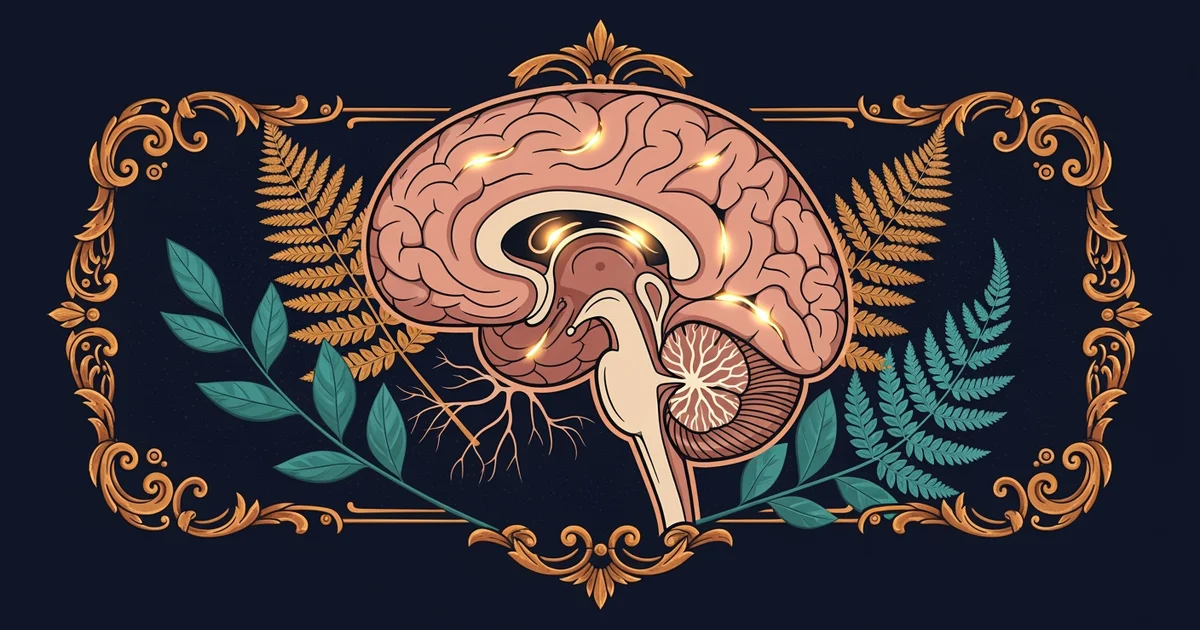
The Mechanism of Natural Rewards
Natural rewards rely on a feedback loop that links specific actions to a feeling of satisfaction. When you consume nutritious food or interact with friends, your brain releases chemicals that signal you to repeat these actions. This loop is calibrated to prevent overindulgence by limiting the amount of pleasure you receive from a single event. It is similar to a budget that allows for small, frequent purchases but prevents you from spending all your resources at once. By pacing the reward, the brain ensures you remain motivated to continue seeking resources throughout the entire day. This system is essential for maintaining a healthy balance between effort and reward in every living human being.
Key term: Homeostasis — the process by which the body maintains a stable internal state despite changes in the external environment.
Synthetic substances, however, bypass these natural limits and trigger the brain in ways that evolution never intended. These artificial chemicals force a massive release of dopamine that far exceeds the levels provided by natural activities. Because the brain is not designed to handle such intense signals, it begins to struggle with the sudden influx of chemical stimulation. Think of this like a power surge hitting a small home appliance that was only built to handle a low voltage. The system becomes overwhelmed, leading to a temporary shutdown of the normal reward processing functions that you rely on daily.
Contrasting Natural and Artificial Triggers
To understand the difference, we must look at how these triggers impact our long-term behavior and brain chemistry. Natural rewards are predictable and tied to the survival of the organism, while synthetic triggers are often unpredictable and unrelated to physical needs. The table below outlines how these two types of input interact with your internal reward circuitry and influence your future decisions.
| Feature | Natural Reward | Synthetic Trigger |
|---|---|---|
| Source | Biological needs | External chemicals |
| Impact | Maintains balance | Disrupts balance |
| Duration | Short and steady | Intense and brief |
| Outcome | Sustained health | Potential dependency |
When synthetic substances flood the brain, the reward system tries to protect itself by reducing its sensitivity to all incoming signals. This adjustment creates a cycle where the brain requires more of the substance to achieve the same feeling of pleasure. This process is how the brain becomes trapped in harmful behavior cycles, as it loses the ability to respond to the smaller, natural rewards that once kept it satisfied. You might find that once-enjoyable activities no longer provide the same sense of fulfillment because your reward threshold has been artificially raised. Understanding this shift is the first step toward seeing why the brain struggles to break free from these powerful, synthetic cycles.
The human brain is designed to process moderate natural rewards, but it lacks the necessary defenses to manage the intense chemical surges caused by synthetic substances.
Next, we will explore how these repeated chemical signals eventually rewire the brain to form a permanent habit.