
Dopamine Surge Dynamics
Imagine you are standing in a room where every single light bulb suddenly turns on at once. Your eyes struggle to process this massive shift as the brain attempts to handle the intense, sudden glare. This experience mirrors how your neural pathways react when they face an overwhelming surge of chemical signals. When you engage in a highly rewarding behavior, the brain releases a massive amount of chemicals that change how you perceive the world. This process forms the basis for why certain habits become so difficult to stop over time.
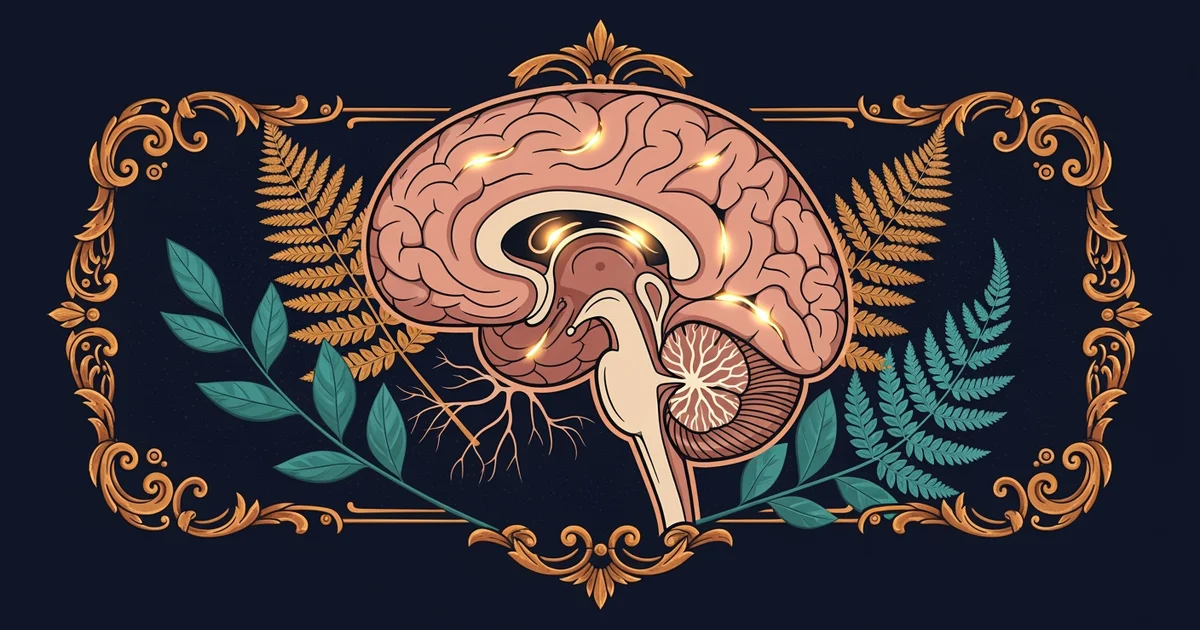
The Mechanism of Neural Sensitivity
When the brain experiences a massive spike in chemical signaling, it must find a way to maintain its internal balance. This internal balance is vital for your health and keeps your mind from becoming overstimulated by the environment. The brain achieves this balance through a process called receptor downregulation. During this process, the brain physically removes or hides the docking sites that receive these chemical signals. Think of this process like a store manager closing extra checkout lanes when a sudden, massive crowd of shoppers arrives at once. By closing these lanes, the store prevents chaos and keeps the system from crashing under the weight of too many people. While this helps the brain maintain safety, it also means you need more of the stimulus to achieve the same initial feeling of satisfaction.
Key term: Receptor downregulation — the biological process where the brain reduces the number of available docking sites to prevent overstimulation from intense signals.
This reduction in sensitivity explains why the first time you try a new, exciting activity feels significantly more intense than later attempts. Your brain was initially set to a high level of sensitivity, allowing every signal to reach its target with ease. As the signals flood the system, the brain acts to protect itself by turning down the volume of the incoming messages. If you continue the behavior, the brain keeps these sites hidden or removes them permanently to adjust to the new, higher baseline of input. This creates a cycle where you feel less pleasure from the same activity, leading you to seek even stronger stimulation to feel normal again.
The Impact of Chemical Spikes
Because the brain adjusts its sensitivity based on the frequency and intensity of your actions, it essentially recalibrates your internal reward system. This recalibration is not a conscious choice but an automatic survival mechanism meant to keep your biology stable. The following table outlines how the brain responds to different levels of chemical intensity over a short period of time.
| Signal Level | Brain Response | Resulting Behavior |
|---|---|---|
| Low | Maintain baseline | Normal task focus |
| Moderate | Slight adjustment | Continued engagement |
| High | Rapid downregulation | Increased seeking |
This table highlights why seeking high-intensity rewards creates a lasting change in how you process everyday joy. When you constantly push your brain to reach high levels of chemical activity, you effectively raise the threshold required to feel any satisfaction at all. This makes ordinary activities like reading, walking, or talking with friends feel dull or boring by comparison. The brain is not broken; it is simply functioning as a reactive system that adjusts its sensitivity to match the environment you provide for it. By understanding these dynamics, you can see why the brain struggles to return to a baseline state after being exposed to extreme stimulation.
Ultimately, the brain's attempt to protect itself from overload ends up creating the very trap that makes harmful habits so hard to break. You are fighting against a biological system that is working exactly as it was designed to work. It prioritizes stability over your desire for constant peak experiences. By learning how to manage these spikes, you can help your brain maintain a healthy level of sensitivity for the long term. This path requires patience, as the process of restoring your natural receptor levels takes time and consistent, lower-intensity habits to take hold.
The brain protects itself from intense chemical surges by reducing its sensitivity, which forces you to seek stronger stimulation to reach the same level of satisfaction.
The next Station introduces the prefrontal cortex role, which determines how executive control manages these biological impulses.