
The Role of Memory
You walk past a familiar bakery and suddenly crave a specific pastry you ate months ago. This sharp, unexpected desire happens because your brain stores environmental details alongside the pleasure you felt during that past experience.
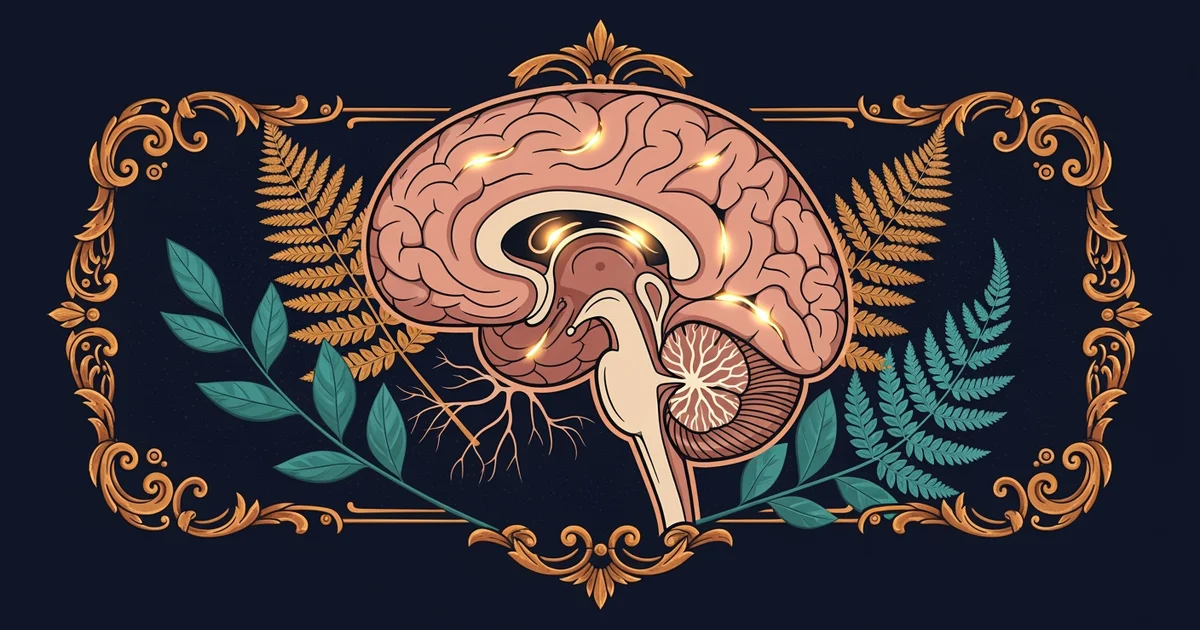
The Architecture of Memory
The brain relies on a structure called the hippocampus to organize and store these vivid life events. Think of this brain region as a high-end filing clerk in a massive city library. It takes raw sensory data from your daily life and sorts it into long-term storage files. When you encounter a reward, the hippocampus tags the surrounding context, such as the smell of the air or the specific people present. This process ensures that you can find your way back to that rewarding source later. Without this tagging system, the brain would struggle to distinguish between a neutral environment and one that previously provided a surge of satisfaction. The hippocampus does not just record the reward itself, but it captures the entire scene like a snapshot.
Key term: Hippocampus — a small, curved structure in the brain that plays a critical role in forming, organizing, and storing memories of personal experiences.
This memory system acts like an internal GPS that constantly updates your map of life. When you engage in a behavior that releases dopamine, the hippocampus marks that location or situation as a high-priority destination. It functions much like a bookmark in a digital book that saves your exact progress during a session. If you return to that same spot, the hippocampus retrieves the bookmark and prepares the brain for a similar outcome. This retrieval happens automatically and often occurs before you consciously realize what is happening. By linking context to pleasure, the brain creates a mental shortcut that saves time and energy during future decision-making processes.
Encoding Contextual Rewards
Once the hippocampus stores these memories, they become powerful drivers of future habits and cravings. The brain prioritizes these memories because they suggest where you can find resources that keep you alive or feeling good. This biological bias is helpful in nature, but it creates deep traps when substances or behaviors hijack the reward system. When a substance triggers a massive release of dopamine, the hippocampus encodes that moment with extreme clarity and intensity. Consequently, the memory of that experience becomes more durable than memories of mundane or neutral events. The brain effectively prioritizes the addictive memory over almost everything else, making it harder to ignore the urges when you encounter related environmental cues.
| Memory Feature | Function in Reward | Impact on Behavior |
|---|---|---|
| Encoding | Captures context | Creates strong links |
| Consolidation | Stabilizes details | Prevents rapid decay |
| Retrieval | Recalls the reward | Triggers sudden urges |
This table illustrates how the memory process reinforces the desire to repeat specific actions. The encoding phase ensures that the brain recognizes the setting, while consolidation makes that association permanent. Retrieval then acts as the final step that pushes you to seek out the reward again. This cycle is why cravings often feel like they come out of nowhere when you visit a familiar place. The hippocampus is simply doing its job by reminding you of the reward you found there in the past. Understanding this mechanism helps explain why changing your environment is such a vital step in breaking cycles of harmful, addictive behavior.
The hippocampus functions as an internal archivist that tags rewarding experiences with environmental context, creating permanent mental shortcuts that trigger cravings whenever you return to those familiar settings.
The next Station introduces receptor downregulation, which determines how the brain adjusts its sensitivity to repeated chemical stimulation.