
The Prefrontal Cortex Role
Imagine you are standing at a busy intersection while trying to cross the street safely. A sudden loud noise distracts you and you almost step into traffic without looking first. Your brain has a specific system that stops these impulsive actions by evaluating the risks before you move. This vital function relies on a specialized region located behind your forehead that manages your choices. Understanding this area helps explain why humans often struggle to pause before acting on strong, immediate urges.
The Function of Impulse Control
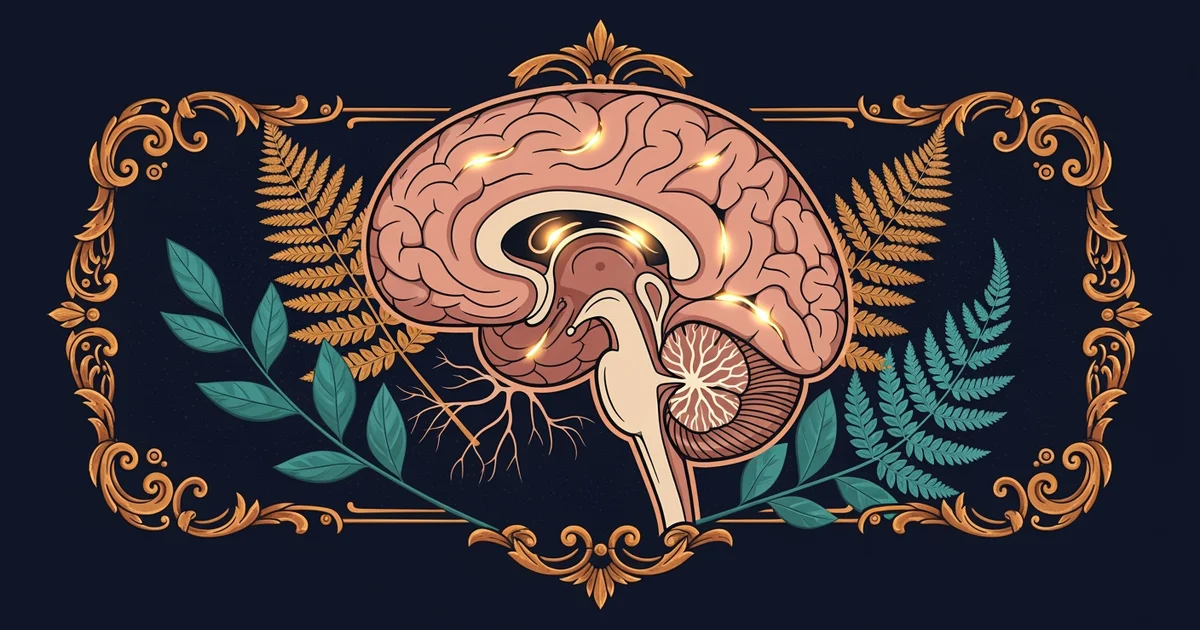
The prefrontal cortex acts as the executive director of your brain by managing complex thoughts and actions. It monitors your environment to ensure that your behavior aligns with your long-term goals rather than fleeting desires. When you feel a sudden urge to eat a snack or check your phone, this area evaluates the consequences of that choice. It functions like a sophisticated braking system on a fast car that keeps you from crashing. Without this active oversight, your brain would simply react to every impulse without considering the future impact on your well-being.
This brain region does not operate in isolation but instead coordinates with deeper, more reactive structures. While lower brain areas generate powerful emotional signals, the prefrontal cortex provides the necessary logic to dampen those signals. Think of it as a calm teacher managing a rowdy classroom full of energetic students who want to run wild. The teacher sets the rules and directs the energy toward productive tasks instead of chaotic outbursts. If the teacher leaves the room, the students quickly lose their focus and start acting on their impulses.
Evaluating Choices and Consequences
To understand how this area manages behavior, you must look at how it processes incoming sensory information. It gathers data from your surroundings and compares that information against your past experiences and future plans. This comparison allows you to inhibit actions that might provide temporary pleasure but cause significant long-term harm to you. The strength of this inhibitory control varies across different people and can be affected by stress or fatigue. When the brain is tired, the prefrontal cortex struggles to maintain its authority over your more basic, primal urges.
| Process | Function | Impact on Behavior |
|---|---|---|
| Inhibition | Stopping | Prevents rash decisions |
| Planning | Organizing | Sets long-term goals |
| Evaluation | Judging | Weighs risks vs rewards |
Effective regulation of human behavior requires these distinct processes to work together in a smooth, integrated fashion. When these systems function well, you can resist distractions and stay focused on your most important objectives. If these systems are weakened, you may find yourself trapped in repetitive cycles of behavior that you know are harmful. This struggle is not a sign of poor character but rather a result of biological limitations in your neural hardware. Developing stronger control often involves training this brain region to recognize triggers before they lead to automatic reactions.
Key term: Prefrontal cortex — the front part of the brain that handles decision-making, planning, and the regulation of impulses.
Beyond simply stopping actions, this area helps you navigate complex social situations where your behavior has significant consequences. It allows you to simulate potential outcomes in your head before you commit to any physical movement. By running these mental simulations, you can avoid mistakes that would otherwise be difficult to fix later on. This ability to pause and reflect is what separates human decision-making from simple, reflexive animal responses. As you learn more about how your brain works, you gain better tools to manage your daily choices effectively.
The prefrontal cortex acts as a critical regulatory gatekeeper that balances immediate emotional urges against the requirements of long-term personal success.
The next Station introduces environmental cues and triggers, which determine how the prefrontal cortex interacts with external stimuli.