
Integrating Biological Insights
Imagine you are playing a video game where every successful move grants you a massive bonus point. If the game suddenly started giving you points for every single action regardless of skill, you would quickly lose interest in playing well. This scenario mirrors how the human brain processes reward signals when the system becomes overwhelmed or misaligned. When we look at why the brain gets trapped in harmful cycles, we must see how different biological parts work together. We have already explored how resilience helps us bounce back from stress and how our biology shapes our basic needs. Now, we must look at how these pieces fit into a larger, sometimes malfunctioning, puzzle.
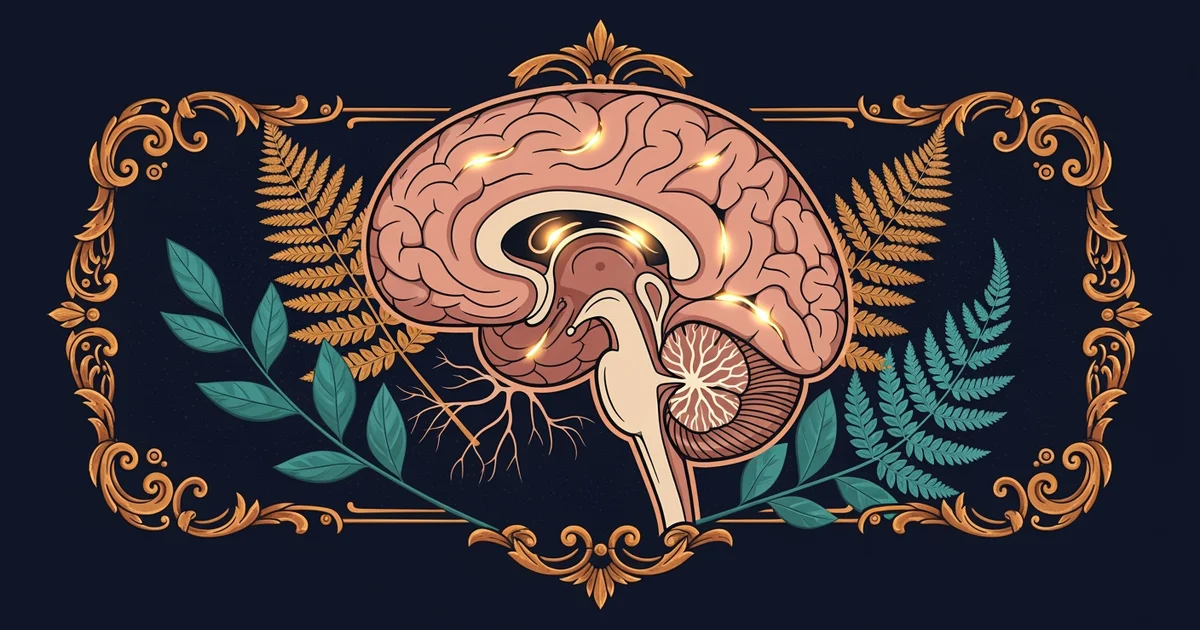
The Mechanics of Reward Dysregulation
The brain functions like a highly sensitive bank account that tracks our daily experiences for value. When we engage in natural activities, such as eating a nutritious meal or connecting with friends, the brain releases a measured amount of dopamine. This chemical acts as a currency that tells our system to repeat the action for survival. However, modern life often introduces artificial rewards that flood this system with more currency than it can manage. This massive influx forces the brain to lower its sensitivity to protect itself from overstimulation. If the brain keeps its sensors wide open during a flood, it risks permanent damage, so it dims the lights to maintain balance.
This process of lowering sensitivity is a biological defense mechanism that creates an unintended side effect for the user. As the sensors dim, normal activities that once provided joy start to feel dull or completely empty. The brain now requires a much larger deposit of the reward chemical just to feel a baseline level of satisfaction. This cycle creates a trap where the person feels compelled to repeat the behavior to escape the feeling of emptiness. The brain is not trying to cause harm, but it is responding to an environment that offers too much stimulation. It is simply trying to survive a digital or chemical environment that it was never designed to navigate.
Integrating Biological Insights
We can better understand this struggle by looking at how specific biological systems interact during these moments of intense reward. The following table highlights how different systems contribute to the feeling of being trapped in a cycle:
| Biological System | Primary Function | Impact of Overstimulation |
|---|---|---|
| Reward Circuit | Tracks value | Becomes desensitized |
| Stress Response | Manages threats | Triggers constant anxiety |
| Decision Center | Controls impulses | Weakens long-term planning |
When these systems interact, they create a feedback loop that makes it difficult to change course. The prefrontal cortex, which usually acts as the logical manager of our impulses, struggles to override the strong signals coming from deeper brain regions. Think of this as a manager trying to run a shop while a loud alarm system is ringing constantly in the background. The manager cannot focus on long-term goals like inventory or planning because the urgent noise demands total attention. This lack of focus is not a failure of character, but rather a predictable result of biological systems being pushed past their intended limits.
Key term: Homeostasis — the process by which biological systems maintain a stable internal state despite changes in the external environment.
As we synthesize these insights, we must ask ourselves how we can better support our brains in a world full of artificial intensity. If our biological hardware is designed for a world of scarcity, how do we protect it from our current world of extreme abundance? By understanding that our struggle is a result of a mismatch between our ancient biology and modern inputs, we can begin to see the path toward better regulation. We are not broken, but we are often living in an environment that misuses our natural reward tools. Acknowledging this reality is the first step toward reclaiming our ability to find satisfaction in the simple, quiet moments of life.
Understanding that addiction stems from a biological mismatch between our ancient reward systems and modern high-intensity inputs allows us to approach behavioral change with compassion rather than blame.
We will now examine how new research methods and emerging technologies might help us repair these systems in the future.