
Biological Resilience Factors
When a professional mountain climber faces a sudden storm, they rely on a pre-planned safety strategy to survive the harsh conditions. Just as that climber uses gear to stay warm and protected, the human brain utilizes internal systems to maintain stability against the intense pressures of modern life.
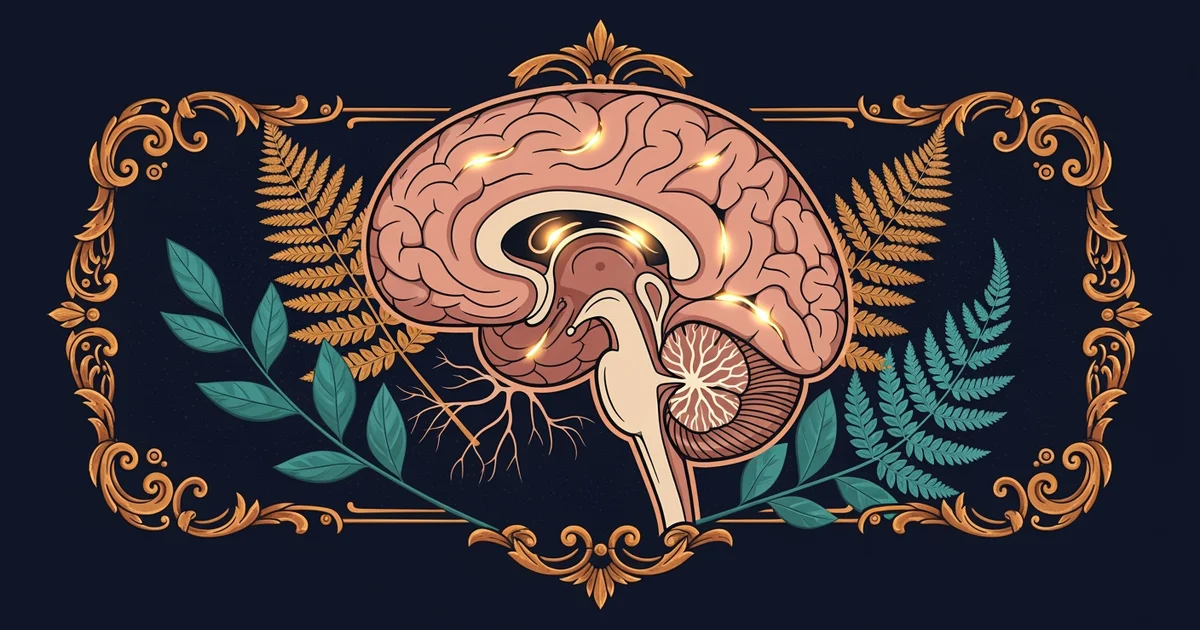
Understanding Neural Stability
Biological resilience acts like a mental shock absorber that prevents our internal systems from shattering under heavy stress. This process involves the body balancing chemical signals to keep our mood and focus steady despite external chaos. When we face pressure, our brains release specific hormones that prepare us for a fight or flight response. If these signals stay active for too long, they can damage the delicate pathways responsible for clear thinking and emotional control. Resilience is not about avoiding stress entirely, but rather about how efficiently our systems return to a calm state once the danger passes. Think of it like a high-end investment portfolio that diversifies assets to protect against market crashes. By spreading out our emotional resources, we ensure that one single failure does not lead to total system collapse. This protective balance is essential for long-term health because it prevents the brain from getting stuck in a loop of constant alarm. Maintaining this equilibrium requires both internal biological health and external habits that support our natural recovery processes.
Core Factors Supporting Brain Health
We can identify specific protective factors that help the brain withstand the constant bombardment of digital and environmental triggers. These factors work together to reinforce our natural defenses against the cycles of harm that lead to addictive behaviors.
Key term: Neuroplasticity — the ability of the brain to form new connections and reorganize its structure in response to learning or experience.
To build a stronger foundation for mental stability, we must prioritize habits that actively support our neural architecture. These activities act as building blocks for a healthier and more adaptive mind:
- Consistent physical movement improves blood flow, which delivers vital oxygen and nutrients to the brain to support cellular repair and growth.
- High-quality sleep allows the brain to clear out metabolic waste products that build up during the day, ensuring that our cognitive pathways remain clear.
- Social engagement provides emotional support that regulates our nervous system, helping us feel secure and grounded even when we face difficult life challenges.
- Mindful breathing techniques help us gain control over our autonomic nervous system, which reduces the immediate impact of stress on our heart rate and blood pressure.
By focusing on these areas, we create a buffer that makes it much harder for harmful cycles to take root in our daily lives. This is the application of the stability principles discussed in Station 12, where we examined how modern digital triggers disrupt our natural focus. When we strengthen these biological foundations, we become less susceptible to the artificial rewards that drive compulsive habits. Building resilience is a lifelong process of fine-tuning our internal environment to match the demands of our external world.
Comparing Protective Strategies
| Factor Type | Primary Action | Benefit to Brain |
|---|---|---|
| Biological | Physical rest | Cellular repair |
| Psychological | Mindfulness | Stress reduction |
| Environmental | Social support | Emotional safety |
Each of these factors contributes to a robust defense system that keeps our minds functioning at their best. When we neglect these areas, we leave our brains vulnerable to the influence of external triggers that promise quick relief but cause long-term harm. By choosing to invest time in these protective habits, we are essentially upgrading our mental hardware to handle the complexities of modern living. This proactive approach ensures that we remain in control of our own behaviors rather than letting our biology dictate our choices. We must view these strategies as essential maintenance for the most complex organ in our body.
Biological resilience functions as a protective buffer that allows the brain to recover from stress and maintain stability against harmful behavioral cycles.
But this model of self-regulation remains incomplete until we understand how to effectively integrate these biological insights into our daily decision-making processes.