
Modern Digital Triggers
When a notification pings on your phone, your brain immediately shifts focus to check the screen. This is the same impulse that drives a gambler to pull the lever on a slot machine. You are experiencing a modern digital trigger that exploits the same ancient pathways used by chemical substances. This process mirrors the behavioral patterns in society discussed in Station 11, where environmental cues dictate our daily habits. By understanding these digital loops, we can better grasp why the brain struggles to resist the constant pull of technology.
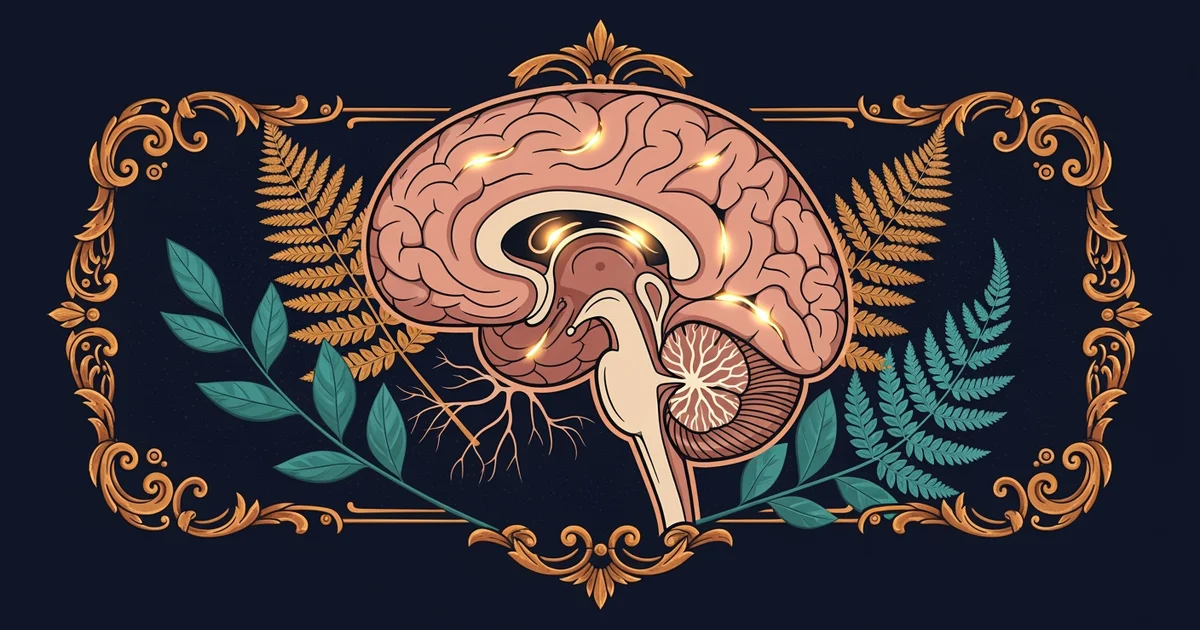
The Mechanism of Digital Rewards
Digital platforms use variable ratio reinforcement to keep users engaged for long periods of time. This concept, which originated in behavioral psychology, involves providing rewards at unpredictable intervals to create a strong habit. When you refresh a social media feed, you never know if you will see a boring post or something highly entertaining. This uncertainty forces the brain to repeat the action, hoping for a high-value reward each time. It functions just like a digital slot machine, where every swipe offers the potential for excitement.
Key term: Variable ratio reinforcement — a system of rewards where the frequency of positive outcomes is unpredictable, making the behavior highly resistant to extinction.
Unlike traditional chemical substances that provide a direct dose of pleasure, digital triggers rely on anticipation. Your brain releases dopamine not just when you receive a reward, but when you expect one. This anticipation creates a feedback loop that encourages you to check your device repeatedly throughout the day. The brain essentially treats the digital environment as a foraging ground where it must constantly search for social validation or new information. This constant state of searching keeps the nervous system in a heightened state of alertness that is difficult to turn off.
Comparing Digital and Chemical Loops
Digital triggers and chemical substances both target the brain's reward circuitry but operate through different primary channels. Chemical substances often provide a massive, unnatural spike in dopamine that can overwhelm the brain's natural regulatory systems. Digital rewards, by contrast, rely on smaller, frequent hits that train the brain to prefer short, fast interactions over deep work. The following table highlights the differences between these two types of stimulation in the human brain.
| Feature | Chemical Substance | Digital Trigger |
|---|---|---|
| Delivery | Direct ingestion | Indirect interaction |
| Intensity | High, rapid spike | Low, frequent pulses |
| Mechanism | Direct receptor binding | Anticipatory dopamine release |
| Habituation | Physiological dependence | Behavioral conditioning |
This comparison shows that while the physical effects differ, the psychological outcome remains strikingly similar for the user. Both systems create a cycle where the brain prioritizes the next hit over long-term goals or physical needs. Digital triggers are often more insidious because they are integrated into every aspect of our modern lives. We carry these triggers in our pockets, making them accessible during every waking moment of our day. The constant presence of these devices means that the brain is rarely allowed to enter a state of true rest.
Our modern digital environment is designed to capture attention by mimicking the survival-based reward systems of our ancestors. We must learn to recognize these triggers to reclaim our focus and break the cycle of automatic behavior. By identifying the specific cues that lead to mindless scrolling, we can introduce friction into our digital habits. This added effort gives the prefrontal cortex time to intervene before the reward loop takes control of our actions.
Modern digital triggers function by hijacking the brain's natural anticipation systems through unpredictable rewards that mimic the mechanics of substance-based addiction.
But this model of digital behavior breaks down when we consider how biological resilience factors can protect the brain from these external pressures.