
Behavioral Patterns in Society
In 2012, the rapid rise of mobile social media apps changed how teenagers spent their free time. Many users found themselves checking notifications every few minutes, creating a cycle of constant digital interaction. This behavior mirrors the neurological feedback loops explored in Station 10, where reward pathways drive repetitive actions. When society reinforces these patterns through constant connectivity, the brain adapts by prioritizing these quick rewards over long-term goals. This is the biological basis of habit formation acting within a modern social framework.
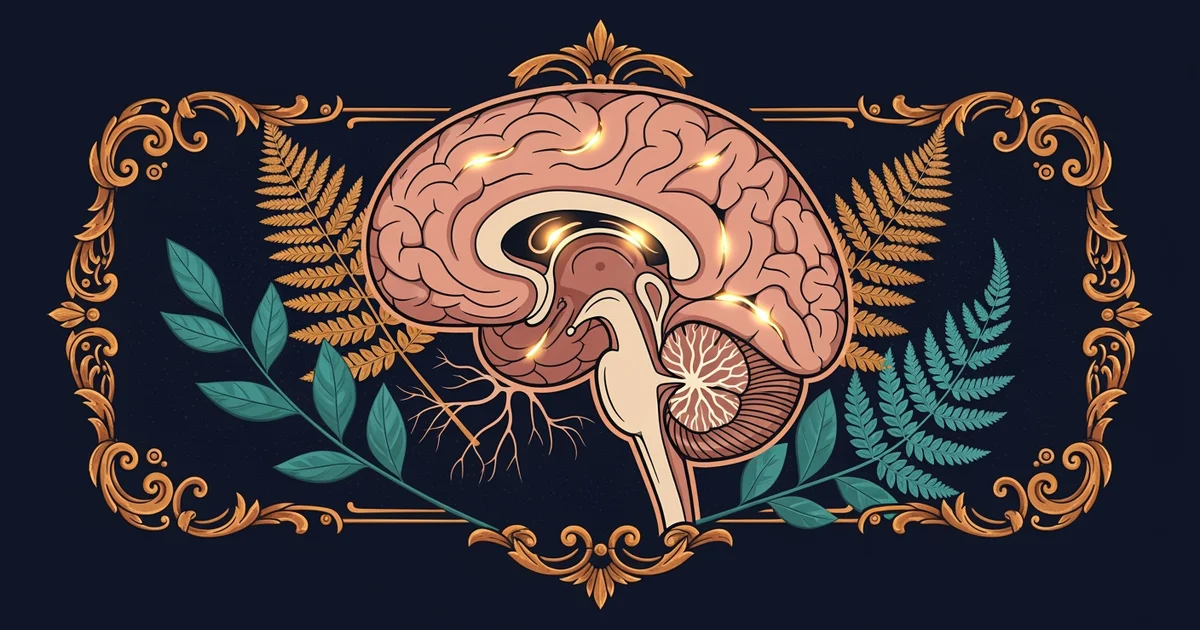
Social Feedback and Brain Chemistry
Human beings are social animals who rely on group validation to feel secure and accepted. When a person receives positive feedback through digital platforms, the brain releases a surge of dopamine. This chemical signal encourages the brain to repeat the action that triggered the reward. Over time, the brain begins to crave this specific type of social input to maintain a sense of balance. Much like a gambler waiting for a slot machine to pay out, the brain monitors the environment for signs of social approval. The unpredictable nature of these social rewards makes them even more effective at locking in behavioral patterns.
Key term: Dopamine — a neurotransmitter that functions as a chemical messenger to reward behaviors and reinforce habits.
This process creates a powerful dependency that is difficult to break through willpower alone. When the brain expects a reward, it creates a physical tension that only subsides once the action occurs. If a person tries to stop this cycle, they often feel a sense of unease or restlessness. This feeling exists because the brain has physically rewired its circuitry to prioritize the habitual behavior. The social environment acts as a catalyst, providing constant triggers that keep this cycle active throughout the day.
Environmental Triggers and Behavioral Loops
Our modern surroundings are filled with cues that prompt us to engage in specific, often harmful, habits. A notification sound serves as an external trigger that forces the brain to shift its focus immediately. This is similar to how a store places candy at the checkout counter to encourage an impulse purchase. By making the reward easy to access, the environment reduces the mental effort required to perform the action. When we repeatedly respond to these environmental cues, the behavior becomes automatic and bypasses conscious decision-making processes.
| Trigger Type | Social Context | Brain Response | Effect on Habit |
|---|---|---|---|
| Digital Ping | Social Media | Reward Seeking | High Frequency |
| Peer Pressure | Group Setting | Conformity | Social Bonding |
| Visual Cues | Advertisements | Craving | Impulse Action |
The table above shows how different social variables influence our daily choices and long-term behavioral health. Each trigger interacts with our underlying biology to create a unique path toward potential dependency. Understanding these variables helps us see that habits are not just personal failures of character. Instead, they are the result of biological systems responding to a highly optimized social environment. Recognizing these triggers is the first step toward regaining control over our own daily actions and choices.
The Cumulative Impact of Social Patterns
When we look at society as a whole, we see that these patterns become normalized over time. What starts as an individual choice quickly becomes a standard expectation for everyone within a social group. This creates a feedback loop where the environment becomes even more saturated with triggers. As more people participate in these habits, it becomes harder for any single person to opt out. The pressure to conform reinforces the neural pathways associated with the habit, making it a permanent part of the individual's lifestyle. We are currently living in an era where our social structures are designed to exploit our biological vulnerabilities for profit.
Societal structures reinforce individual habits by providing constant triggers that exploit the brain’s natural reward systems for social validation.
But this model of social influence breaks down when we consider how individual differences in neuroplasticity affect our ability to resist these external pressures.