
Neuroplasticity and Change
Imagine a well-worn path through a dense forest that you walk every single day. Eventually, the grass disappears and the dirt packs down into a deep, permanent groove. Your brain functions in much the same way when it repeats specific habits over time. When you decide to stop these behaviors, the brain does not simply erase the path overnight. Instead, it must begin the slow work of letting the old trail grow over while carving out new, healthier routes.
The Architecture of Neural Change
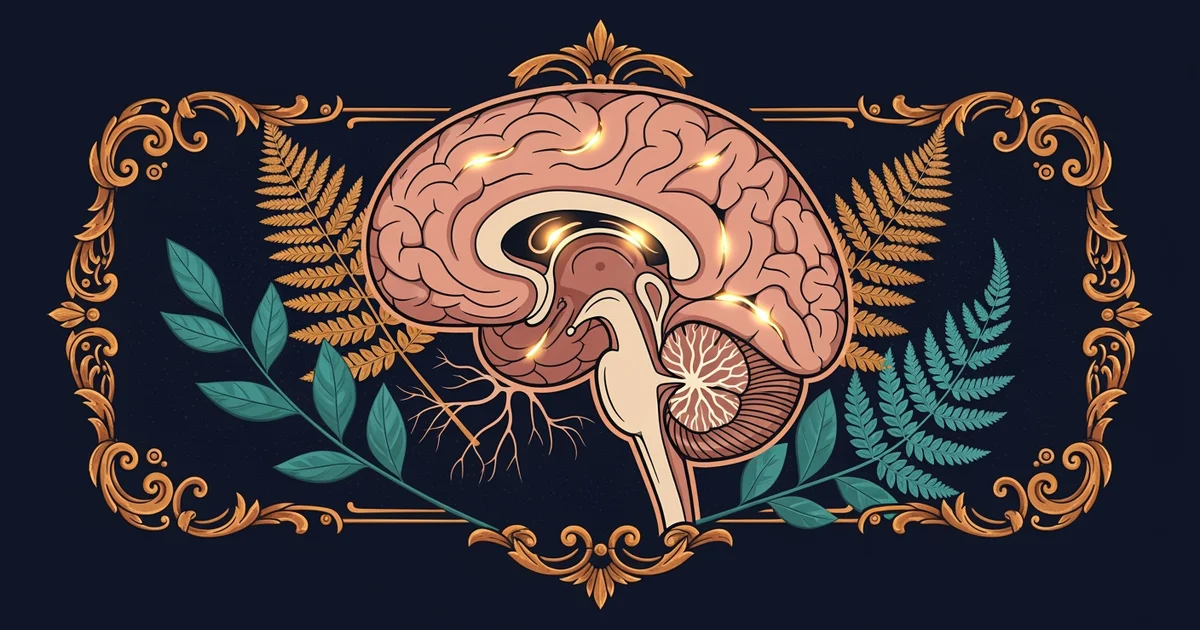
The brain possesses a remarkable quality called neuroplasticity, which allows it to reorganize its internal structure throughout your life. Think of your brain like a city with many complex roads and busy intersections. When you engage in a repetitive habit, you build a massive, high-speed highway between specific regions. This highway makes the behavior feel automatic and very hard to resist when you face certain triggers. Stopping the behavior is like blocking off a major road to force traffic onto smaller side streets. At first, the city experiences massive congestion because the old, efficient route is no longer available for use.
Over time, the brain begins to adapt to this new reality by strengthening the secondary, less-traveled paths. It essentially performs a cost-benefit analysis on the neural connections it maintains within its vast network. If a pathway receives no traffic for a long duration, the brain eventually reallocates those resources to other areas. This process is not instantaneous, as the biological hardware requires time to physically remodel its synaptic connections. You are essentially asking the brain to dismantle a powerful infrastructure that it once viewed as vital for survival or pleasure. This transition requires patience, as the brain hates wasting energy on systems that provide no clear reward.
Key term: Neuroplasticity — the ability of the brain to form new neural connections and prune old ones in response to learning or change.
Mechanisms of Recovery and Growth
When you stop a harmful habit, the brain initiates a period of structural instability that creates new opportunities for growth. This phase of recovery relies on several distinct biological processes that help the brain regain its natural balance. These processes ensure that the system does not remain stuck in a state of permanent dysfunction after a habit ends. The following list highlights how the brain manages this difficult transition during the early stages of change:
- Synaptic pruning removes weak or unused connections by breaking down the chemical bridges between neurons that no longer serve a useful purpose.
- Myelination increases the speed of signals along new, healthier pathways by wrapping them in a protective fatty layer that acts like insulation.
- Neurogenesis supports the creation of fresh neurons in specific areas of the brain, providing the raw material for building entirely new patterns of thought.
These mechanisms work together to shift the brain from a reactive state to a more stable, adaptive one. You might compare this to renovating an old house while you are still living inside it. You must tear down the rotting walls before you can install the new, stronger framing required for stability. This process is messy and often uncomfortable, but it is the only way to ensure the structure lasts for the future. The brain prioritizes efficiency, so it will always favor the path that requires the least amount of effort to navigate. By consistently choosing new actions, you eventually make the healthy path the most efficient route for your brain to take.
True change occurs when the brain physically remodels its internal pathways to prioritize new, healthier habits over the old, destructive ones.
But what does this process of neural rewiring actually look like when we observe human behavior in a social context?