
Ethical Considerations
Imagine a world where your mood is a dial that someone else can turn. By simply changing your diet, you might shift your personality or your emotional state forever. This possibility creates a deep tension between medical progress and personal autonomy in the modern age. We must ask if we have the right to edit our own biological programming for the sake of happiness.
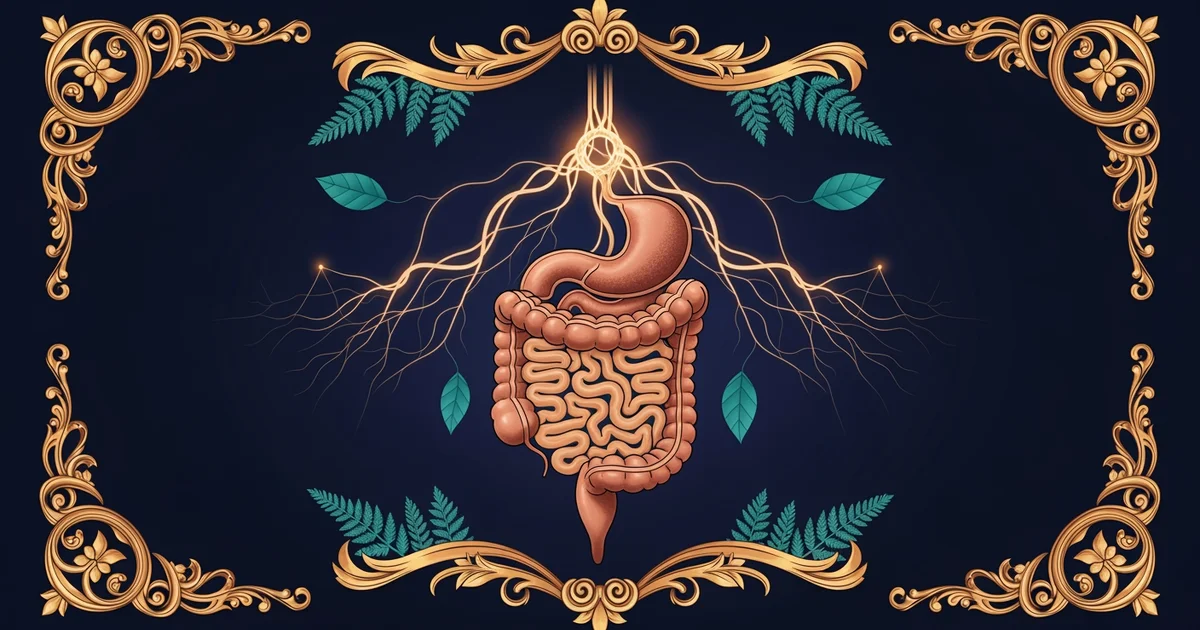
The Moral Weight of Biological Editing
When we discuss modifying gut flora, we are essentially talking about altering the internal environment of the human body. This process involves introducing specific bacterial strains to influence the brain through the gut-brain axis. Think of this like adjusting the software settings on a high-end computer to change how the system performs. If you change the code, the output changes, but you might lose some of the original identity in the process. This raises a difficult question about who truly owns your thoughts and feelings once you begin manipulating the biological agents that help create them. We must consider if these interventions could lead to a loss of the unique traits that define an individual person.
Key term: Bioethics — the study of the moral implications and consequences of biological research and medical applications.
Society often views medical intervention as a tool for healing rather than a tool for personality modification. If we use these methods to treat severe depression, the benefit to the patient seems clear and justified. However, the line becomes blurred when we consider using these same methods for minor mood adjustments. If a person can change their temperament through a pill or a drink, they might stop developing the resilience that comes from handling life challenges. This reliance on biological shortcuts could change how we view human growth and the value of overcoming difficult emotional states through personal effort.
Balancing Innovation and Human Agency
We must evaluate the risks associated with long-term changes to our internal biological makeup. The gut microbiome is a complex ecosystem that interacts with our immune system and our nervous system daily. If we disturb this balance to achieve a specific mood, we may trigger unintended side effects in other bodily functions. The following list highlights the core ethical risks that researchers encounter when working with these powerful biological tools:
- Informed consent becomes difficult when the patient does not fully understand how gut bacteria influence their specific personality traits.
- Social pressure might force people to conform to certain mood standards if they are easily achievable through simple bacterial changes.
- Long-term consequences remain largely unknown because the gut microbiome is highly dynamic and varies greatly from one person to another.
| Ethical Concern | Potential Impact | Risk Level |
|---|---|---|
| Identity Loss | Change in self | High |
| Social Pressure | Forced conformity | Medium |
| Systemic Risk | Health side effects | High |
These concerns show that the power to influence our minds comes with a heavy responsibility to protect human agency. We need clear guidelines that distinguish between necessary medical therapy and optional enhancement of our internal states. If we fail to establish these boundaries, we risk turning the human experience into a product that can be bought and sold. The goal should always be to support the natural function of the body rather than to override the systems that make us who we are. Our gut bacteria might influence our thoughts, but we must remain the primary authors of our own lives.
True progress in biological science requires that we protect the freedom of the individual to experience their own emotions without forced external modification.
Understanding these ethical limits is the final step in recognizing that while our gut bacteria influence our daily feelings, we retain the moral authority to manage our own mental health.