
Neurotransmitter Production
Imagine your gut as a busy factory that works around the clock to keep your mood balanced and your mind sharp. While you sleep or study, tiny residents in your digestive tract are busy building the very chemicals that help you feel happy or calm. These microscopic workers act like a chemical supply chain that ships essential ingredients directly to your brain. Without this constant production line, your internal emotional state would look very different than it does today. Understanding this process helps us see why the food we eat matters so much for our mental health.
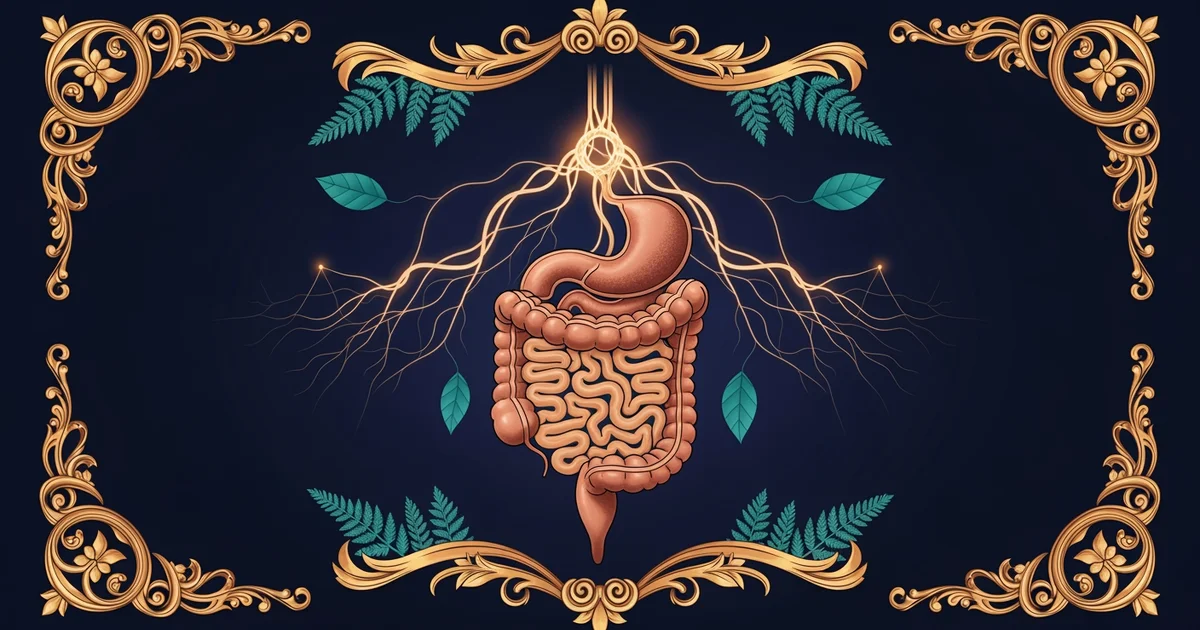
The Chemical Factory Inside You
Your gut houses trillions of bacteria that perform tasks far beyond simple digestion. These organisms possess the unique ability to synthesize neurotransmitters, which are chemical messengers that allow brain cells to communicate with each other. While we often think of the brain as the sole creator of these signals, the gut actually acts as a massive manufacturing hub. By transforming raw nutrients from your diet into functional chemicals, these bacteria influence how your brain processes information. Think of this process like a local bakery that provides fresh bread to the entire town. If the bakery stops working, the town runs out of food, just as your brain struggles when gut bacteria stop producing these vital chemical signals.
Key term: Neurotransmitters — the chemical messengers that transmit signals between nerve cells to regulate mood, focus, and physical movement.
Common Chemicals Produced in the Gut
The range of chemicals produced by your gut flora is quite impressive and covers several key areas of brain function. Many of these substances are identical to those produced by your own nervous system, allowing them to integrate perfectly with your body. The following list outlines some of the most critical chemicals currently identified in gut-brain research:
- Serotonin is a primary chemical that stabilizes your mood and promotes feelings of well-being, with a vast majority of the body's total supply actually produced within the gut environment.
- Dopamine acts as a reward-based signal that helps you stay motivated and focused, and certain gut bacteria possess the genetic tools to create this specific molecule from dietary precursors.
- Gamma-Aminobutyric Acid, or GABA, serves as an essential calming agent that helps lower anxiety levels, which gut bacteria generate to regulate the excitability of your nervous system.
These chemicals do not just sit in the gut; they interact with the lining of your intestines to influence the nervous system. Through these pathways, your gut bacteria can send signals that dictate your stress levels or your general outlook on life. This constant chemical dialogue ensures that your brain remains informed about your internal health and nutritional status at all times.
Balancing the Production Line
Maintaining a healthy balance of these chemicals requires a consistent supply of specific nutrients that your bacteria need to function correctly. If you provide the right fuel, the bacteria can maintain a steady output of serotonin and dopamine for your brain. However, poor diet choices can disrupt this delicate balance, leading to a drop in the production of these essential mood-regulating molecules. The relationship between your diet and your brain chemistry is direct and powerful. By choosing foods that support a diverse bacterial population, you essentially optimize your internal chemical factory for better mental performance.
| Chemical | Primary Function | Source of Production |
|---|---|---|
| Serotonin | Mood regulation | Gut and brain tissue |
| Dopamine | Motivation/Focus | Gut and brain tissue |
| GABA | Anxiety reduction | Gut and brain tissue |
This table illustrates how these chemicals serve dual roles across the body and the brain. Because your gut bacteria contribute to these levels, they play a direct role in how you experience your daily environment. You are not just a collection of cells, but a complex ecosystem where bacteria help manage your daily emotional rhythm through chemical output.
Gut bacteria act as a vital chemical manufacturing plant that synthesizes essential neurotransmitters to directly influence your mood and cognitive function.
The next Station introduces Immune System Interactions, which determines how gut bacteria protect your body from external threats.