
Immune System Interactions
Imagine your body as a busy city where the local police force is constantly monitoring the streets for any signs of trouble. If the police suddenly decide that every single visitor is a dangerous criminal, the entire city grinds to a halt while everyone stays locked inside their homes. This is exactly what happens when your immune system overreacts to the trillions of bacteria living inside your gut. While these microbes usually help you digest food and stay healthy, they can also trigger a state of constant, low-level alert known as systemic inflammation. When this happens, your body stays in a defensive mode that drains your energy and clouds your focus.
The Role of Gut Microbes in Defense
Your gut acts as a massive border crossing where your immune system meets the outside world every single day. Most of the bacteria living in your intestines are beneficial partners that keep your internal environment stable and secure. However, your immune cells are trained to identify and attack anything that looks like an unwanted invader or a harmful pathogen. If the balance of these bacteria shifts, your immune cells may start to view even the friendly microbes as potential threats. This reaction creates a continuous cycle of immune activity that does not stop even when no real danger exists.
Key term: Systemic inflammation — a chronic state of immune system activation that affects the entire body rather than just one specific area.
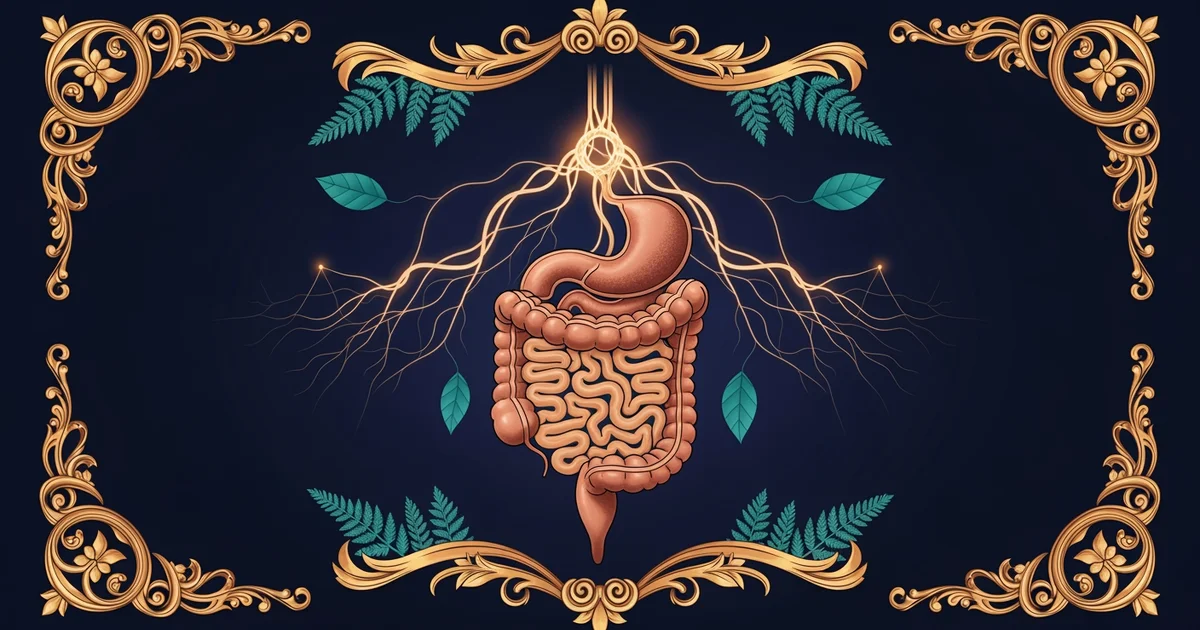
This persistent state of alert is not just a localized problem because the immune system communicates with the rest of your body through chemical signals. When your gut cells are agitated, they release specific proteins that travel through your bloodstream to reach the brain. These signals tell your brain that the body is under attack, which forces the central nervous system to shift its priorities. Instead of focusing on complex thinking or long-term memory, the brain redirects its resources toward managing the perceived threat. This biological shift explains why gut health is so closely tied to your mood and your cognitive performance.
Linking Gut Health to Brain Function
When your body remains in this state of high alert, it begins to affect how you feel and interact with the world. You might notice that your ability to concentrate drops or that your emotions feel harder to regulate during these times. This happens because the inflammatory signals essentially jam the normal communication lines between your gut and your brain. Think of it like a noisy construction site right outside your office window that makes it impossible to hear your own thoughts clearly. The immune system is doing its job, but the constant noise makes it difficult for your mind to function at its peak.
To manage this delicate balance, your body relies on several key mechanisms that help regulate the immune response:
- Barrier integrity ensures that only intended substances pass from the gut into your bloodstream, preventing unwanted immune triggers from entering the system.
- Regulatory T-cells act as peacekeepers by suppressing unnecessary immune attacks and ensuring that the body does not overreact to harmless bacteria.
- Cytokine signaling serves as the language of the immune system, allowing cells to coordinate their response to potential threats across the whole body.
Maintaining a healthy gut environment is the primary way to keep these immune mechanisms functioning smoothly and effectively. By supporting the diverse populations of bacteria in your gut, you allow your immune system to stay calm and focused. This prevents the unnecessary activation that leads to systemic inflammation and cognitive fog. When your gut is happy, the signals sent to your brain are clear and calm, allowing you to think more effectively. The goal is not to eliminate all immune activity but to ensure that the response is always proportional to the actual risk.
A healthy gut environment prevents unnecessary immune system activation, ensuring that inflammatory signals do not interfere with your brain's ability to process information clearly.
The next Station introduces Short-Chain Fatty Acids, which determine how these gut-brain signals are processed at the cellular level.