
Introduction to Psychobiotics
Imagine your mood shifts after eating a heavy meal or feeling sudden stress in your gut. You might assume your brain controls these feelings entirely, but your digestive tract holds its own complex influence. This hidden connection suggests that tiny organisms living inside your body play a major role in your mental state. Scientists now study these microscopic residents to see if we can improve our mood through the food we eat. This field of study focuses on how specific bacteria influence the way we think and feel every day.
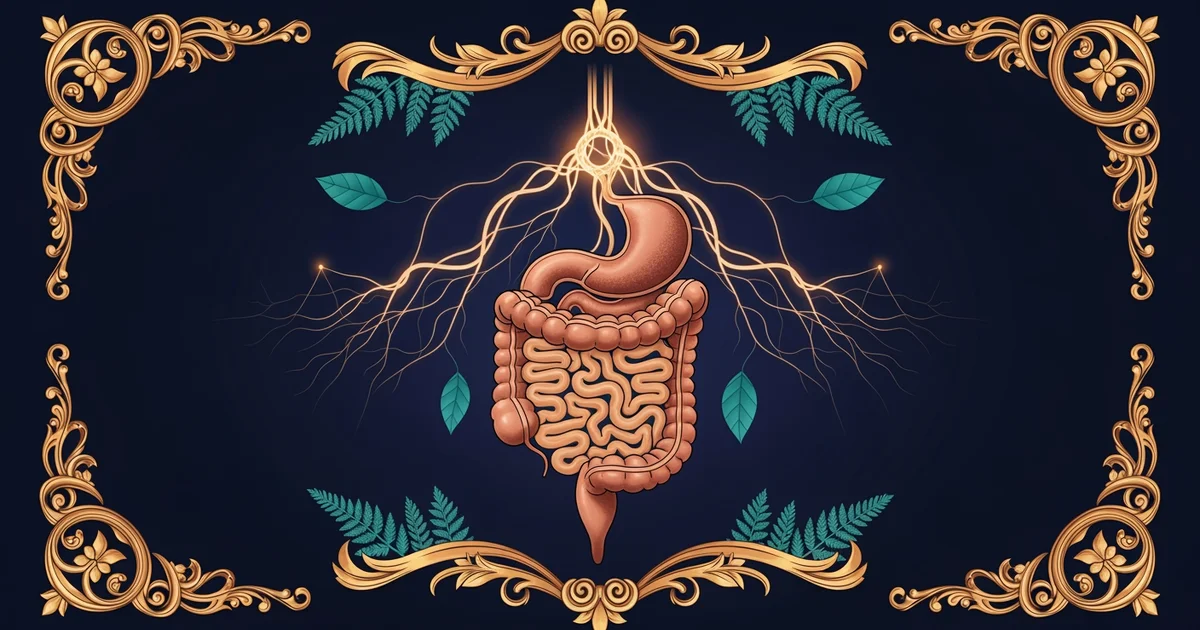
Understanding the Role of Beneficial Bacteria
Most people know that probiotics help with digestion, but they often forget that these bacteria perform many other tasks. While standard probiotics focus on keeping your gut moving, they do not necessarily target your mental health or emotional responses. Psychobiotics represent a new, specialized category of bacteria that scientists specifically select for their impact on brain chemistry. Think of your gut like a busy investment firm where standard probiotics act as the office cleaning crew, keeping the physical space tidy and functional. In this analogy, psychobiotics act like specialized financial consultants who provide the firm with specific data to change its long-term strategy and overall performance. By introducing these specific strains, we might influence how our brain manages stress, anxiety, or even our general outlook on life.
Distinguishing Between Digestive and Mental Support
It is helpful to clarify how these two types of bacterial support differ in their primary goals and functions. While both categories rely on living microbes, their intended outcomes are quite distinct and serve different systems within the human body. The following table outlines how these two categories compare in their primary focus and the specific biological outcomes they aim to achieve for the host.
| Feature | Standard Probiotics | Psychobiotics |
|---|---|---|
| Primary Goal | Digestive regularity | Mental wellness |
| Target System | Gastrointestinal tract | Nervous system |
| Main Benefit | Reduced bloating | Lowered stress levels |
| Typical Use | Treating constipation | Managing mood shifts |
Standard probiotics generally support the physical environment of the gut, ensuring that digestion remains smooth and efficient. Psychobiotics go a step further by producing or stimulating the production of neuroactive compounds that travel to the brain. These compounds act as chemical messengers that can alter how the brain processes information or responds to external pressure. Because the gut and brain communicate constantly, these small bacterial changes can lead to noticeable shifts in how you perceive your daily challenges.
How Bacteria Communicate with the Brain
Bacteria living in your intestines communicate with your brain through several complex pathways that we are only beginning to understand. These microbes can produce neurotransmitters, which are the same chemicals your brain uses to regulate mood and behavior. When these bacteria thrive, they release these signals into the bloodstream or trigger local nerve endings to send messages upward. This process creates a constant stream of biological data that your brain integrates into its overall assessment of your internal state. If the bacterial population is balanced, the signals sent to your brain promote a sense of stability and calm. Conversely, an imbalance might send signals that trigger feelings of unease or heightened sensitivity to stress. By selecting the right strains, researchers believe we can optimize this communication line to support better mental health outcomes for everyone.
Psychobiotics are specialized bacterial strains that actively influence mental wellness by sending chemical signals to the brain, rather than just supporting digestion.
Next, we will explore how the vagus nerve acts as the primary highway for these bacterial signals to reach your brain.