
Short-Chain Fatty Acids
Imagine your body contains a massive, bustling city where tiny workers constantly produce essential fuel for your brain. These workers are the trillions of bacteria living inside your gut, and their primary output is a group of special molecules that keep your mental engine running smoothly. When you eat fiber, you provide the raw materials these workers need to manufacture vital chemical compounds that travel through your bloodstream. These compounds eventually reach your brain, where they act as messengers that support your mood and cognitive clarity. Without this constant supply of fuel, your brain would struggle to maintain the balance required for clear thinking and emotional stability throughout your busy day.
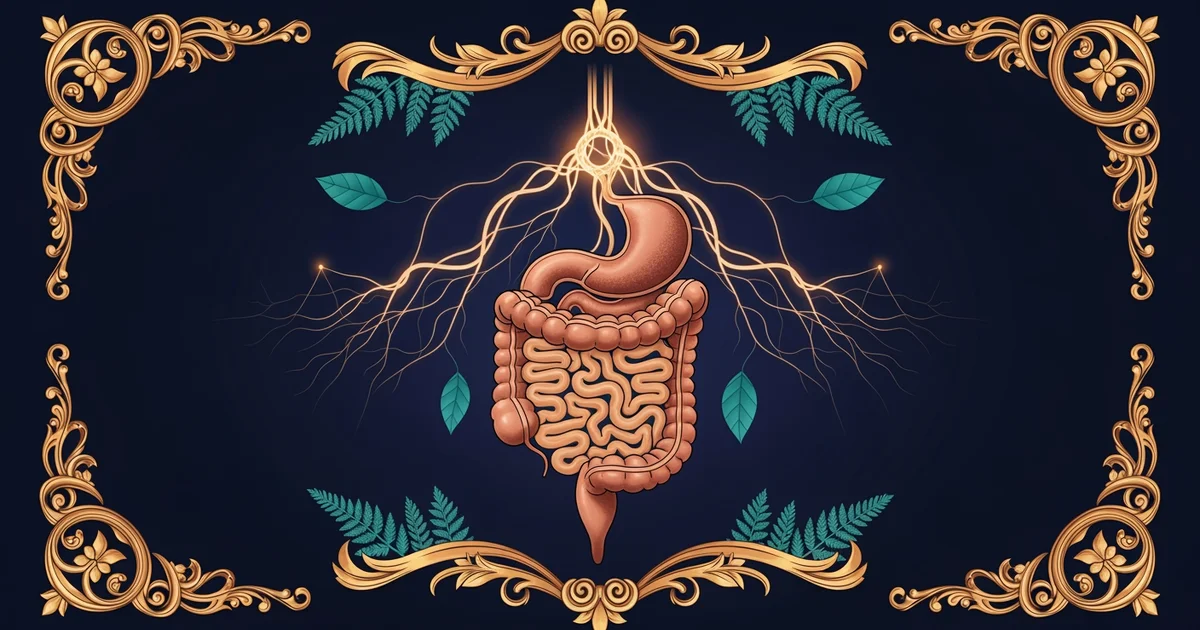
The Production of Butyrate
When these gut bacteria break down dietary fiber, they perform a process known as fermentation to create short-chain fatty acids. One of the most important of these molecules is butyrate, which acts as a powerful fuel source for the cells lining your colon. Think of this process like a local power plant in your gut that burns raw fuel to keep the surrounding infrastructure functioning perfectly. The plant takes in fiber that you cannot digest on your own and transforms it into energy that your body can actually use. By supporting the health of your gut lining, this molecule ensures that harmful substances stay trapped in the digestive tract while healthy signals pass through to your nervous system. This foundational support system is critical because a healthy gut lining prevents inflammation from leaking into your bloodstream and reaching your brain.
Key term: Butyrate — a specific short-chain fatty acid produced by gut bacteria that provides essential energy to colon cells and supports brain health.
Beyond just fueling the gut, these molecules play a complex role in regulating how your brain communicates with the rest of your body. Once they enter circulation, they can cross into the brain to influence the production of proteins that keep your neurons healthy and resilient. This process is much like a maintenance crew that travels through a city to repair damaged roads, ensuring that traffic flows without any major delays or accidents. When the supply of these molecules remains high, your brain maintains better focus and handles daily stress with significantly more ease. If the supply drops because of a low-fiber diet, the maintenance crew disappears, and your brain starts to experience the mental equivalent of potholes and traffic jams.
Influencing Mental Well-being
To understand how these compounds affect you, consider the specific tasks they perform to keep your mind sharp and balanced every single day:
- Energy delivery mechanisms ensure that your brain cells always have access to the fuel they need to fire signals rapidly and accurately.
- Anti-inflammatory signaling pathways help to calm the immune system so that your brain does not waste precious energy fighting unnecessary internal battles.
- Neurotransmitter balance support allows your brain to maintain the correct levels of chemicals that determine your mood and your overall sense of calm.
These functions demonstrate that the health of your mind is deeply connected to the chemical output of your digestive system. By choosing foods rich in fiber, you are effectively investing in the production of these brain-supporting compounds that keep your mental processes functioning at their peak level.
| Molecule Type | Primary Function | Impact on Brain |
|---|---|---|
| Acetate | Energy regulation | Moderate influence |
| Propionate | Metabolic control | Indirect support |
| Butyrate | Cellular fuel | Strong protection |
This table highlights why the specific type of fatty acid produced matters for your long-term health and cognitive performance. While all three are helpful, the one produced from fiber fermentation offers the most direct benefits for the brain. By focusing on your diet, you take active control over the chemical signals that your gut sends to your mind.
The gut acts as a biological refinery that converts dietary fiber into essential chemical fuel to sustain brain health and emotional balance.
The next Station introduces stress response modulation, which determines how gut-derived signals influence your body during moments of intense pressure.