
Stress Response Modulation
Imagine your body is a busy company with a specialized department designed to handle sudden emergencies. When a stressful event happens, this department triggers a rapid response to help you survive the perceived threat. This internal system is known as the hypothalamic-pituitary-adrenal axis, or the HPA axis for short. While this system is meant for short bursts of action, modern life often keeps it running in a state of constant, low-level activation. This chronic stress can lead to significant health issues if the body never receives a signal to power down and recover.
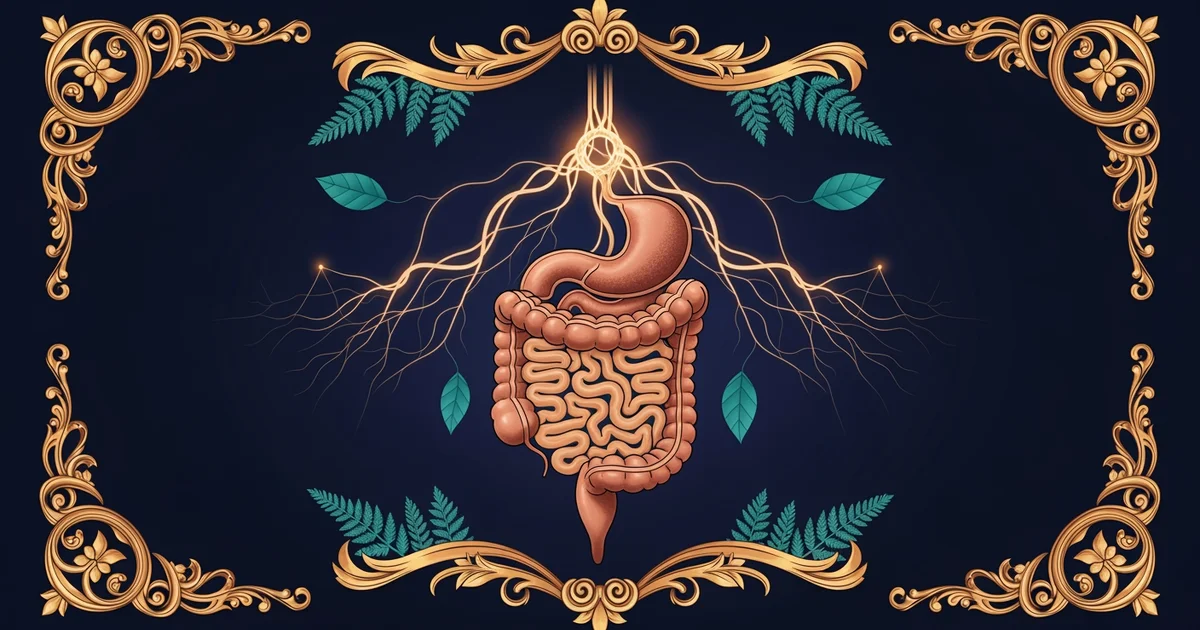
Understanding the Stress Response Pathway
To understand how bacteria influence this process, we must look at how the brain communicates with the adrenal glands. When you encounter a stressor, your brain releases chemical signals that travel through your blood to your adrenal glands. These glands respond by pumping out cortisol, which is the primary stress hormone that prepares your body for a fight or flight scenario. Think of this process like an emergency alarm system in a large building that sounds whenever it detects smoke. If the alarm never stops ringing, the employees become exhausted and cannot focus on their actual work. This is the physiological equivalent of living with high cortisol levels for an extended period.
Psychobiotics are specific bacterial strains that may help regulate this alarm system by sending calming signals back to the brain. These beneficial microbes interact with the gut lining to produce compounds that influence nerve pathways. By modulating these signals, psychobiotics can effectively lower the volume of the stress alarm. When the alarm is quieter, the adrenal glands do not release as much cortisol into the bloodstream. This helps the body maintain a balanced internal state even when external pressures remain high. By supporting the gut microbiome, you are essentially providing the building blocks for better emotional regulation.
Hormonal Changes and Bacterial Supplementation
When researchers study the impact of these bacteria, they look for shifts in hormone markers within the blood. Supplementation with specific strains has been shown to reduce the overall output of stress hormones in response to challenges. This change happens because the gut and the brain are linked through a constant flow of chemical information. When the gut environment is healthy, the signals sent to the brain are more stable and less reactive. The following list outlines the primary ways that these bacterial supplements influence your hormonal balance during stressful periods:
- Direct modulation of neurotransmitter precursors occurs when bacteria produce compounds that the brain eventually converts into calming chemicals.
- Reduction of systemic inflammation happens because healthy gut bacteria prevent harmful substances from entering the bloodstream and triggering an immune response.
- Enhanced signaling through the vagus nerve allows the gut to send electrical messages that inhibit the brain's tendency to overreact to minor stressors.
| Hormone | Primary Function | Impact of Psychobiotics |
|---|---|---|
| Cortisol | Stress activation | Reduced overall output |
| Adrenaline | Immediate response | Lowered peak intensity |
| Serotonin | Mood regulation | Increased steady supply |
Key term: HPA axis — the complex network of glands that manages how your body reacts to stress by controlling hormone levels.
These hormonal shifts represent a significant change in how the body manages resources during difficult times. By lowering the baseline of stress hormones, the body can save energy for long-term health and recovery. It is not about eliminating stress entirely, but rather about teaching your body to respond in a more efficient manner. When you provide your gut with the right bacterial support, you are essentially upgrading your internal communication network. This allows your brain to receive clearer data, which leads to a more measured and calm response to everyday pressures. The goal is to reach a state where the body can handle challenges without triggering a full-scale, exhausting emergency response every single time.
Beneficial gut bacteria act as biological regulators that help dampen the body's overactive stress response by modifying the chemical signals sent through the HPA axis.
Now that we understand how bacteria calm the stress system, we should explore how these microbes talk to the brain through specific signaling pathways.
Want this with sources you can check?
Premium Learning Paths for Biological Sciences are researched against open-access libraries — PubMed, arXiv, government databases, and more — with their distinctive claims cited to real sources and independently checked.
See what Premium includes