
Microbiome Basics
Imagine your body is a bustling city where trillions of tiny residents work around the clock. These invisible citizens are not invaders but essential partners that keep your internal systems running smoothly. You might think of yourself as a single person, yet you are actually a complex ecosystem hosting a vast, diverse population. This collection of microscopic life forms is known as the microbiome, and it resides primarily within your digestive tract. Understanding this inner world helps us see how our health depends on these tiny neighbors. They influence everything from how we digest our food to how our immune system functions daily.
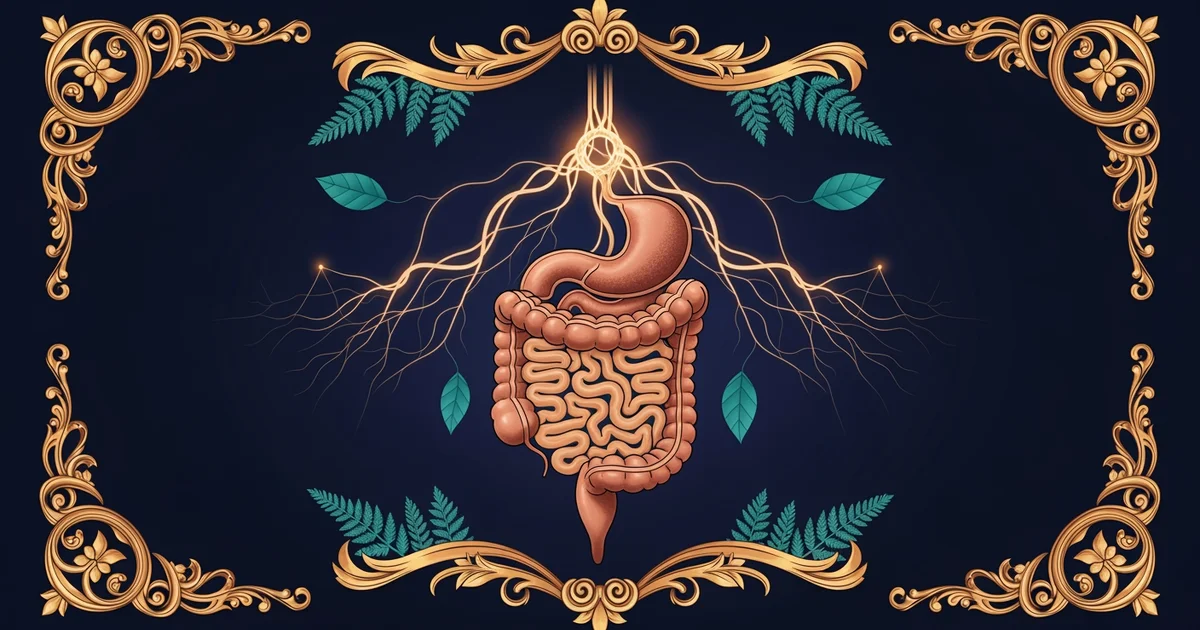
The Diverse World Inside Your Gut
The gut acts like a massive apartment complex that provides housing for diverse groups of bacteria. Some of these residents are helpful workers, while others exist in a neutral state waiting for resources. A healthy gut maintains a balance between these groups, ensuring that no single type takes over the entire space. When the population remains diverse, your digestive system operates with maximum efficiency and stability. Think of this balance like a well-managed budget where you must allocate resources to different departments to keep the whole organization stable. If one department consumes all the funding, the other essential services start to fail. Maintaining this internal diversity is the secret to keeping your city running without any major interruptions or system failures.
Key term: Microbiome — the complete collection of microorganisms, including bacteria and fungi, living in a specific environment like the human gut.
These microscopic residents are not just passive passengers because they actively participate in your daily biological tasks. They break down complex fibers that your own enzymes cannot digest on their own. By processing these materials, they produce energy and vitamins that your body absorbs for its own use. The relationship is a classic example of mutualism where both parties benefit from the partnership. You provide the shelter and a steady supply of nutrients, while the bacteria provide essential services that your own cells cannot perform. This partnership has evolved over millions of years to ensure that both the host and the microbes can thrive together.
Managing the Internal Ecosystem
The composition of your personal ecosystem changes based on the fuel you provide through your daily diet. Different species of bacteria thrive on different types of food, so your eating habits act as a filter. If you consume a wide variety of plants, you support a broader range of beneficial bacterial species. A restricted diet limits the variety of your residents, which might reduce the overall stability of your internal city. Just as a city requires diverse businesses to remain resilient, your gut requires a wide variety of microbes to remain adaptable. You can influence the health of this population by choosing foods that feed the helpful bacteria rather than those that encourage harmful growth.
| Bacterial Group | Primary Function | Preferred Fuel Source | Stability Impact |
|---|---|---|---|
| Firmicutes | Energy harvesting | Complex starches | High |
| Bacteroidetes | Fiber breakdown | Plant fibers | Very High |
| Actinobacteria | Immune support | Simple sugars | Moderate |
These three categories represent the major players that inhabit the human digestive tract and influence systemic health. Each group plays a specific role in maintaining the environment, and their presence helps prevent the growth of unwanted invaders. By monitoring the balance of these groups, scientists can learn a great deal about your overall well-being. The interaction between these groups and your diet is a dynamic process that occurs with every single meal you consume. Understanding these basic relationships is the first step toward mastering the science of your own internal health.
The human gut microbiome acts as a diverse and essential internal ecosystem that relies on dietary choices to maintain balance and support vital bodily functions.
Learning how these tiny residents communicate with your brain will reveal the secrets behind the gut-brain connection.