
The Vagus Nerve Pathway
Imagine your body contains a private high-speed telephone line connecting your gut to your brain. This hidden cable transmits vital information that dictates your mood and your physical health every single day. Most people assume the brain acts alone when making decisions about how we feel or react to stress. In reality, the gut sends constant reports to the brain stem through a complex bundle of fibers. This connection allows your internal organs to talk directly to your mind without you ever noticing. By understanding this physical link, we can see how tiny bacteria might influence our daily mental state.
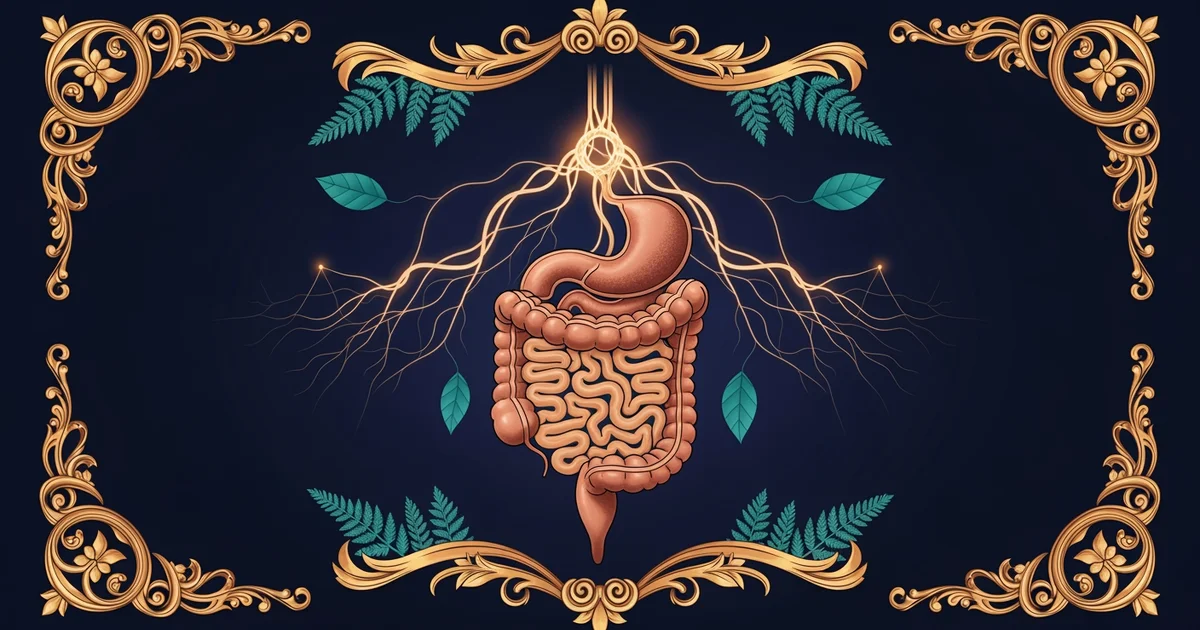
The Physical Structure of the Vagus Nerve
The vagus nerve serves as the primary communication highway between your digestive system and your brain. It starts at the base of your skull in the brain stem and travels downward through the neck. From there, the nerve branches out to reach your heart, lungs, and the entire digestive tract. Think of this nerve like an internet service provider that manages data traffic between two distant cities. Your brain acts as the central office while the gut acts as a remote branch office sending updates. Without this consistent stream of data, the brain would remain unaware of the chemical environment inside your digestive system.
Key term: Vagus nerve — the longest cranial nerve that acts as a bidirectional communication pathway between the brain and the gut.
This pathway is not just a one-way street for sending information upward to the brain. The brain also sends signals back down to the gut to regulate digestion and immune system responses. When you feel nervous, your brain sends a message through this nerve that changes your stomach activity. This is why you might feel a fluttering sensation in your belly during a stressful event. The nerve translates these complex emotional states into physical changes within your gut. Maintaining this balance is essential for keeping your body functioning smoothly during times of high stress or intense physical activity.
Signals Moving Along the Pathway
Communication along the vagus nerve happens through a process of converting chemicals into electrical impulses. Your gut bacteria produce various molecules that interact with the nerve endings lining your intestinal walls. Once these molecules bind to the nerve, they trigger an electrical signal that travels up the pathway. This process ensures that your brain receives real-time updates about the nutrients you have consumed today. If your gut bacteria are healthy, they send positive signals that help regulate your mood and stress levels. If the bacterial balance is disrupted, the signals sent to the brain can become distorted or negative.
| Signal Type | Origin Point | Destination Point | Primary Function |
|---|---|---|---|
| Afferent | Gut wall | Brain stem | Sensory feedback |
| Efferent | Brain stem | Internal organs | Motor control |
| Chemical | Microbiota | Nerve endings | Data transmission |
We can summarize the flow of data through this nerve pathway into three distinct stages:
- Gut bacteria produce chemical compounds that interact with the nerve endings found in your intestines.
- The vagus nerve converts these chemical triggers into electrical signals that travel up to the brain.
- The brain stem receives these signals and processes the data to influence your current emotional state.
By following these steps, the body ensures that the brain is always informed about the internal environment. This constant dialogue helps the brain adjust its output based on the health of your gut. When you consider how much influence these signals have, it becomes clear why gut health is so important. Your brain relies on this steady flow of information to maintain your overall mental and physical well-being.
The vagus nerve functions as a vital information superhighway that allows the gut and the brain to maintain a constant, two-way dialogue regarding your internal state.
The next Station introduces neurotransmitter production, which determines how these chemical signals are converted into the emotions you experience.