
Bacterial Signaling Mechanisms
Tiny microbes inside your gut constantly send chemical messages to your brain like secret agents. These signals travel across your body to influence your daily mood and your mental state.
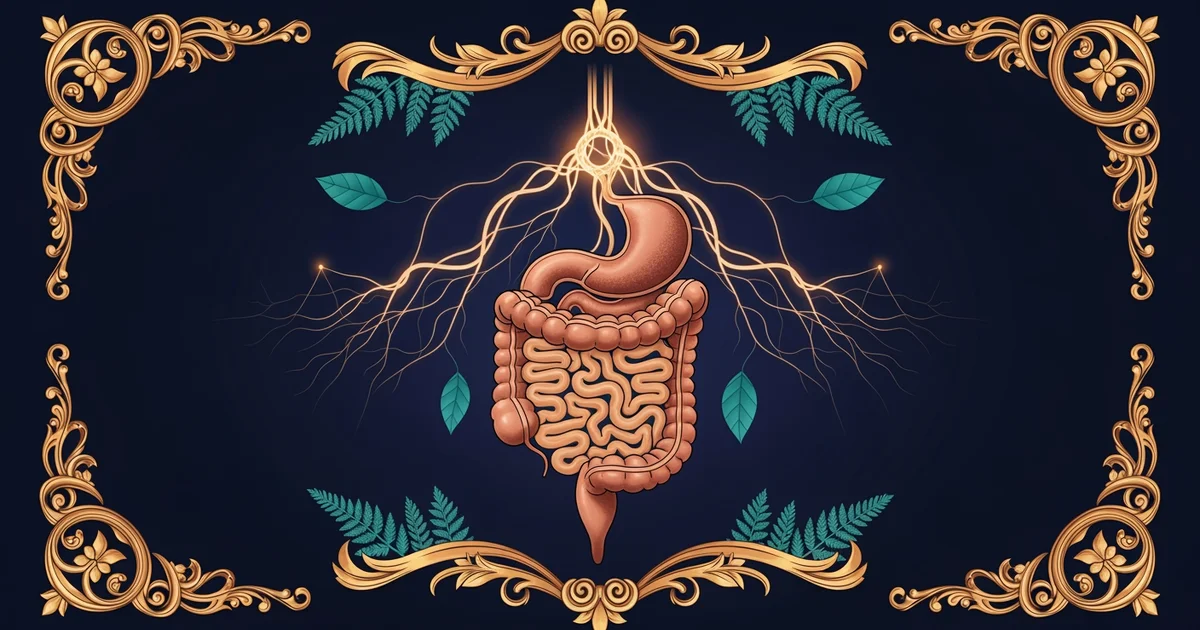
Molecular Triggers and Bacterial Signals
Bacteria living within your digestive tract do not just sit idle while you eat food. These organisms actively produce metabolites which function as chemical messengers for your internal systems. When these microbes digest dietary fibers, they release small molecules into the surrounding environment of the gut. These substances then travel through your bloodstream or directly interact with the nervous system. Think of these molecules like currency in an economic system where bacteria pay the body for space. If the bacteria produce the right currency, your body functions smoothly and maintains a healthy balance. When the wrong type of currency appears, the body experiences confusion and potential inflammation in the gut lining.
These chemical signals operate through specific pathways that bridge the gap between microbes and nerves. The most prominent path involves the vagus nerve, which acts as a major highway for data. Bacteria release specific signals that trigger receptors located on the surface of these nerve cells. Once these receptors detect the chemical presence, they convert the message into an electrical signal. This electrical pulse travels rapidly upward toward the brain to deliver the gut status report. Without this constant stream of information, your brain would struggle to regulate your basic physical and emotional responses effectively. The signaling process relies on precise timing and the correct concentration of these bacterial molecules to work.
Key term: Metabolites — the small chemical compounds produced by gut bacteria that act as signaling molecules for the human nervous system.
Pathways of Communication and Nerve Interaction
Beyond simple chemical release, bacteria utilize complex methods to ensure their messages reach the intended destination. The intestinal barrier serves as a gatekeeper that decides which molecules can enter your systemic circulation. Some bacterial signals are small enough to pass through this barrier easily to reach the bloodstream. Other signals must bind to specific proteins that act as shuttles to carry them across. This selective process prevents harmful substances from reaching your brain while allowing helpful signals to pass through. The efficiency of this barrier determines how clearly your gut can communicate with your central nervous system.
| Signal Type | Primary Function | Destination |
|---|---|---|
| Short-chain fatty acids | Energy and regulation | Brain and muscles |
| Neurotransmitter precursors | Mood and focus | Central nervous system |
| Inflammatory cytokines | Immune response | Systemic circulation |
These signals work together to maintain a stable environment for both you and your microbes. When you consume a diverse diet, you provide the building blocks for these beneficial chemical messengers. The following steps outline how these signals influence your nervous system in a typical cycle:
- You ingest complex fibers that your body cannot break down on its own.
- Gut bacteria ferment these fibers to produce chemical signals like fatty acids.
- These molecules interact with the nerve endings embedded in your intestinal walls.
- The nerves transmit these signals to the brain to adjust your emotional state.
By understanding these mechanisms, you can see how your food choices directly impact your brain. Every meal becomes an opportunity to influence the chemical conversation happening inside your digestive system. Your gut health is not just about digestion, but about managing the complex signaling network that governs your wellbeing. The interaction between these tiny organisms and your nerves remains a vital part of your internal biology. Consistent signals from a healthy microbiome lead to better regulation of your stress and your general energy levels throughout the day.
Your gut bacteria act as chemical architects that build the signaling pathways which directly inform your brain about your internal physical state.
But what does it look like when this communication network experiences a breakdown in the physical barrier of your gut?