
Future Medical Prospects
Imagine a future where a simple pill manages your mood as effectively as a common aspirin treats a headache. Scientists are currently exploring how specific bacterial strains might reshape the landscape of modern psychiatry by targeting the gut-brain axis directly. This shift moves us away from systemic drugs that often cause unwanted side effects throughout the entire body. Instead, we are looking at precise biological interventions that work within the natural ecosystem of your digestive tract.
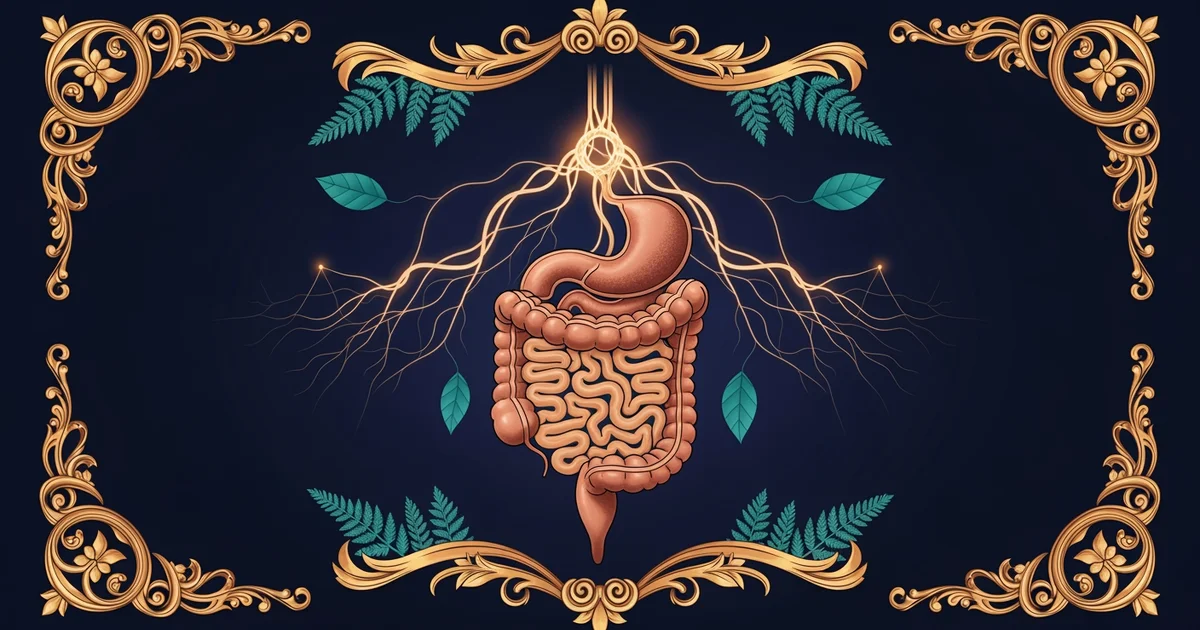
The Shift Toward Microbiome Medicine
Traditional psychiatry relies heavily on chemical compounds that cross the blood-brain barrier to alter neurotransmitter activity. While these medications help many people, they often function like a sledgehammer when a scalpel is required for delicate mental health needs. Researchers now view the human microbiome as a living pharmacy capable of producing unique compounds that influence emotional regulation. By introducing psychobiotics, which are specific live bacteria that provide mental health benefits, we might soon treat anxiety or depression without systemic chemical overload. Think of this process like upgrading the software on a computer rather than replacing the entire hardware system. Just as a software update improves how a machine processes data, these targeted bacteria optimize the chemical signals sent from the gut to the brain. This approach minimizes the risk of broad side effects by keeping the therapy localized to the digestive system.
Integrating Biological Data Into Clinical Practice
Transitioning from traditional models requires a deep understanding of how individual microbial profiles influence treatment success. Doctors may soon use personalized diagnostic testing to identify which bacterial species are missing or overrepresented in a patient. Once they identify these imbalances, they can prescribe custom microbial cocktails designed to restore balance to the gut-brain axis. This shift requires moving past the broad, one-size-fits-all prescriptions common in current medical practice. Instead, practitioners will evaluate the specific metabolic output of a patient’s unique gut environment to tailor their recovery plan. This level of precision medicine transforms mental health care into a data-driven process that respects the complex biology of the human host.
Key term: Psychobiotics — live microorganisms that, when ingested in adequate amounts, confer a mental health benefit to the host by interacting with the gut-brain axis.
To understand the scale of this change, consider the following potential applications for future therapy:
- Targeted bacterial strains could stabilize the production of serotonin, which helps regulate mood and sleep cycles naturally.
- Engineered microbial communities might reduce systemic inflammation, which is often linked to chronic stress and depressive symptoms.
- Customized probiotic regimens could improve the resilience of the gut barrier, preventing harmful toxins from entering the bloodstream.
These applications demonstrate how we can leverage our internal biology to prevent mental health struggles before they manifest as severe clinical symptoms. By focusing on the root cause of chemical imbalances, we move toward a model of preventative psychiatry that emphasizes long-term wellness over temporary symptom management.
Challenges in Future Therapeutic Development
Moving these concepts from the laboratory to the pharmacy shelf presents several practical hurdles that researchers must navigate carefully. One primary challenge involves ensuring that these bacteria survive the harsh, acidic environment of the stomach to reach their destination intact. Scientists are currently developing specialized delivery systems, such as protective capsules, to shield these fragile organisms during transit. Furthermore, the sheer diversity of the human gut means that what works for one person might have no effect on another. This variability necessitates large-scale clinical trials to establish standardized protocols that are safe for the general population. As we integrate these findings with our knowledge of safety and regulation, we must ensure that our enthusiasm for this technology does not outpace our understanding of long-term biological consequences. The path forward requires a balance between rapid innovation and rigorous scientific validation to protect patient health at every stage of the treatment process.
Future mental health care will likely rely on precise microbial interventions that treat the gut ecosystem to restore emotional balance and cognitive function.
The next stage of this journey involves navigating the complex ethical dilemmas raised by our ability to manipulate the inner workings of the human mind.