
Dietary Influence on Microbes
When you choose a breakfast of sugary cereal instead of fiber-rich oats, you are not just fueling your body. You are also casting a vote for which specific microbial populations will thrive in your digestive system.
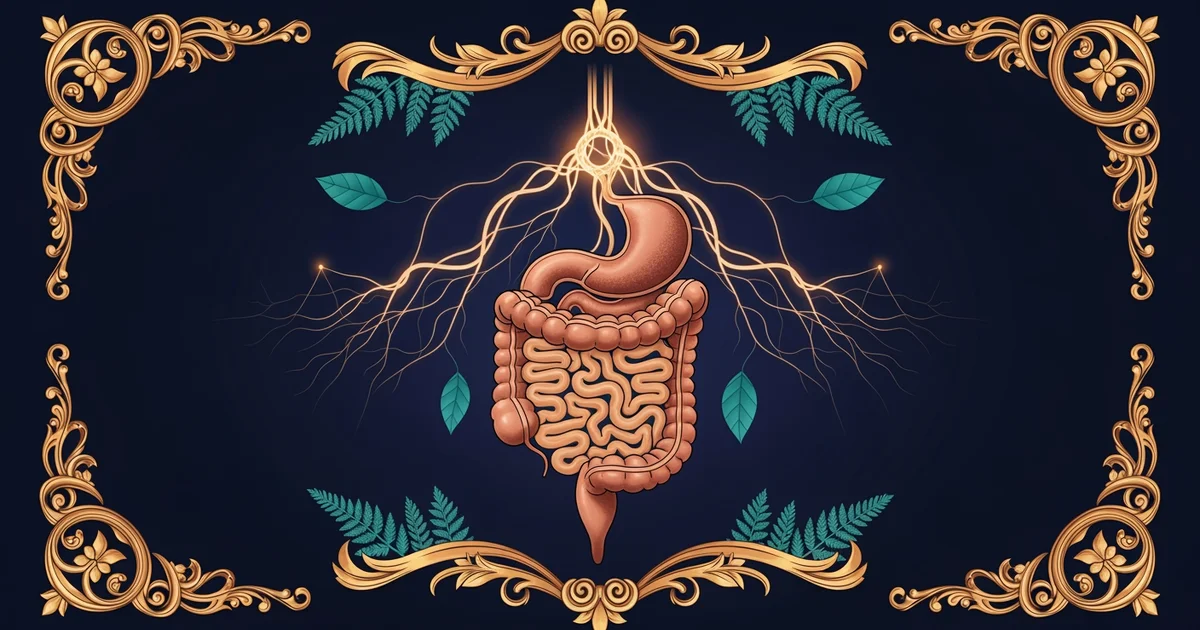
The Microbial Ecosystem
Think of your gut like a bustling city where the inhabitants depend entirely on the resources you provide. If you consistently supply high-quality materials, the beneficial workers flourish and maintain the city infrastructure. If you deliver low-quality supplies, the opportunistic residents take over and disrupt the daily operations of the entire system. This is the gut-brain axis at work, a concept we first explored in Station 1. Your dietary choices act as the primary supply chain manager for these tiny biological citizens. By selecting diverse foods, you ensure that the microbial community remains robust and functional. A healthy community produces chemicals that support your mood and cognitive clarity through a process of constant chemical exchange. When you ignore the needs of these microbes, the city begins to show signs of decay and poor management. This decay manifests as feelings of fatigue or brain fog that plague your daily life.
Nourishing Beneficial Bacteria
To support a thriving microbial environment, you must prioritize foods that act as fuel for friendly bacteria. These specific foods are known as prebiotics, which are types of fiber the human body cannot digest on its own. Because your body does not break these fibers down, they arrive intact in the large intestine where your microbes wait. The bacteria ferment these fibers, creating beneficial compounds that travel through the bloodstream to impact your central nervous system. This process is the core mechanism of how your diet influences your mental state. If you starve these microbes of their preferred fiber, they cannot produce the signals that keep your brain chemistry balanced and stable. You can think of prebiotics like a high-interest savings account for your long-term mental health. Every meal is an opportunity to deposit the right resources into your gut account for future growth.
Key term: Prebiotics — non-digestible food ingredients that promote the growth of beneficial microorganisms in the intestines.
Focusing on these foods will help you build a more resilient gut environment:
- Garlic and onions contain inulin, a type of fiber that serves as a premium fuel source for healthy gut bacteria species.
- Asparagus provides a dense concentration of prebiotic fibers that help maintain a diverse and stable population of helpful microbes.
- Bananas offer resistant starch, which survives the trip through your stomach to feed the residents of your lower gut.
Strategic Dietary Planning
Building a diet that supports these microbes requires a shift in how you view your grocery shopping list. You must move away from processed items that lack fiber and toward whole foods that provide complex structures for microbes to break down. A diverse diet ensures that you are not just feeding one type of bacteria, but a whole ecosystem of varied species. This diversity is essential because different microbes thrive on different types of plant fibers. If you eat the same two vegetables every day, you are limiting the variety of your internal workforce. A varied diet acts like a diversified investment portfolio, spreading your risk and ensuring that you have a wide range of biological tools available at all times. Consistency in these choices is far more important than perfection in any single meal. Your microbes adapt to your patterns over time, meaning that small, steady changes lead to the most significant long-term results for your cognitive function.
Choosing a diverse range of fiber-rich foods acts as a deliberate management strategy for the biological workforce that regulates your mood and mental clarity.
But this model of dietary influence faces significant challenges when external factors like chronic stress or antibiotic use disrupt the established microbial balance.