
Barrier Integrity and Leakiness
Imagine your digestive system functions like a high-security border crossing between two busy countries. The trucks carrying goods must pass through strict checkpoints to ensure that only safe, approved items enter the inner city. If the gates are left wide open, unauthorized individuals or dangerous substances can slip through and cause chaos in the streets. Your gut lining acts as this essential border, keeping your body safe while allowing nutrients to reach your bloodstream and fuel your daily activities.
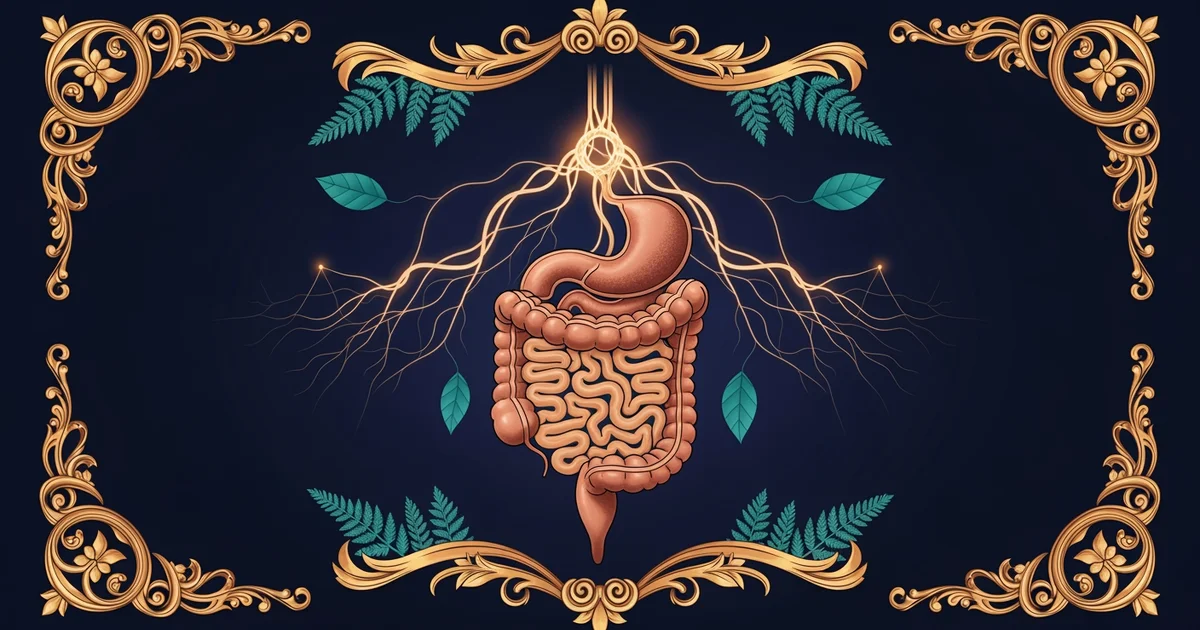
The Anatomy of Intestinal Defense
Your gut wall is a single layer of cells that separates the outside world from your internal environment. These cells are held together by tight junctions which act like physical locks on a heavy door. When these locks remain secure, they prevent unwanted molecules from leaking out of the gut and into your circulation. This protective barrier is crucial because your gut contains trillions of tiny organisms that must stay contained to prevent system-wide issues. If these junctions weaken, the barrier becomes permeable, which leads to a condition often described as a leaky gut.
Key term: Barrier Integrity — the structural strength of the intestinal lining that prevents harmful substances from escaping the gut into the body.
Maintaining this barrier requires constant energy and steady support from the beneficial bacteria living in your digestive tract. These bacteria produce specific compounds that nourish the cells of the gut lining and keep the tight junctions functioning correctly. Without this regular maintenance, the cells begin to pull apart and create gaps in the defensive wall. Once these gaps appear, large particles that should have remained in the gut can enter the bloodstream and trigger an immune response.
Consequences of Barrier Permeability
When the gut lining loses its structural integrity, the immune system detects foreign particles circulating where they do not belong. This detection leads to widespread inflammation as your body attempts to fight off what it perceives as an invading threat. This chronic state of inflammation can eventually travel throughout the body and even affect the brain. Because the brain and gut are connected through complex signaling pathways, gut-based inflammation often changes how you think or feel.
| Feature | Healthy Barrier | Leaky Barrier |
|---|---|---|
| Junctions | Tight and locked | Loose and open |
| Absorption | Selective only | Uncontrolled flow |
| Immune State | Calm and steady | Constant reaction |
This process creates a cycle of stress that impacts your overall neurological health and emotional well-being. The following factors often contribute to the breakdown of this vital protective barrier:
- Microbial imbalance occurs when harmful bacteria outnumber the beneficial ones, leading to a drop in the protective compounds that nourish your intestinal cells.
- Dietary habits that lack sufficient fiber prevent the production of short-chain fatty acids, which are essential for keeping the tight junctions between your gut cells locked firmly.
- Chronic stress triggers hormonal changes that directly weaken the physical structure of the gut wall, making it easier for permeability issues to develop over time.
Understanding these mechanics shows why your gut health is directly tied to your mental clarity and mood stability. If you ignore the health of your gut lining, you allow inflammation to bypass your body's natural security systems. Protecting this barrier is the most effective way to ensure your brain receives only the signals it needs to function properly. By focusing on gut integrity, you provide a stable foundation for every other system in your body to thrive.
Maintaining a strong intestinal barrier prevents systemic inflammation from disrupting neurological function and emotional balance.
Now that we understand how the gut wall protects the body, how do we use clinical research to identify these patterns in real people?