
Social Transmission
During the 2014 Ebola outbreak in West Africa, local communities observed that sick individuals often withdrew from public gatherings to avoid shaming their families. This instinctive retreat from group settings serves as a powerful example of how pathogens drive changes in host social behavior to influence transmission dynamics.
The Mechanisms of Social Withdrawal
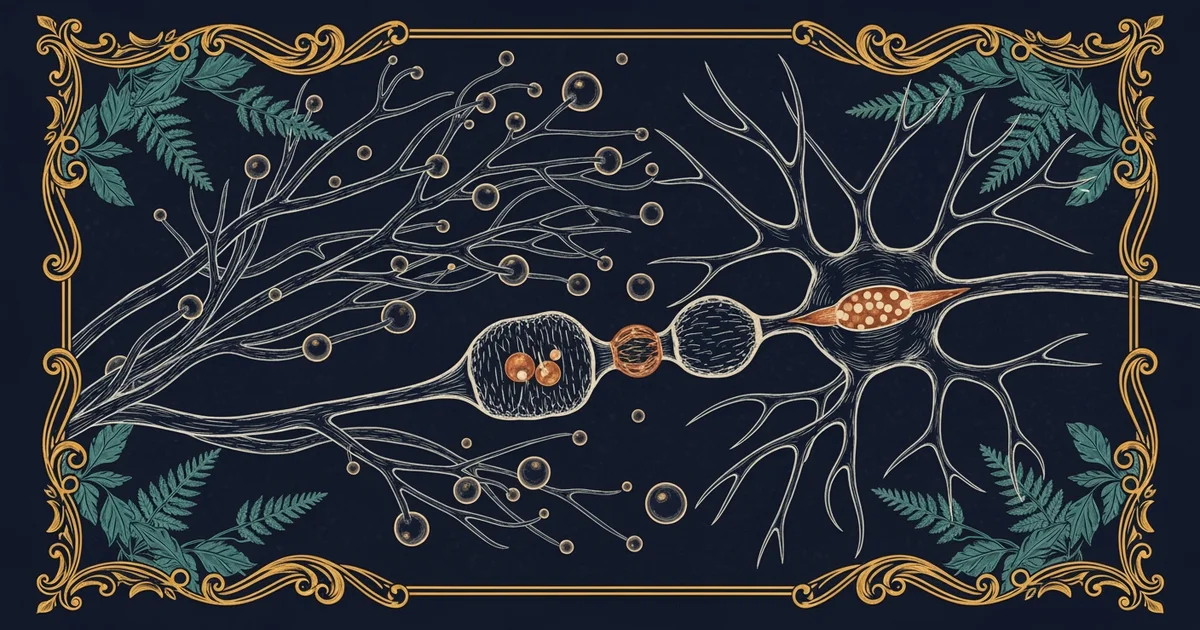
When a pathogen enters your system, your body initiates a complex response known as sickness behavior. This set of coordinated changes includes lethargy, loss of appetite, and a strong desire to isolate yourself from others. These actions are not merely symptoms of feeling tired or weak. Instead, they represent an evolutionary strategy that helps the host recover while simultaneously limiting the spread of the infection to healthy group members. By staying away from your peers, you effectively break the chain of transmission that would otherwise occur through close physical contact. This response is much like a business closing its doors during a financial crisis to prevent further loss of capital. The organism prioritizes internal repair over external activity to ensure long-term survival in a competitive environment.
Key term: Sickness behavior — a coordinated set of physiological and behavioral changes that an organism exhibits when fighting an infection to prioritize recovery.
Social Distancing as a Biological Adaptation
Beyond individual isolation, many social species exhibit complex patterns of collective avoidance when illness strikes their population. This phenomenon, known as social distancing, occurs when healthy individuals detect subtle cues of sickness in their peers and proactively increase their physical distance. These cues might include slight changes in body odor, reduced movement, or altered social vocalizations that signal an underlying health issue. This adaptation functions as a protective filter for the group. It ensures that the majority of the population remains healthy enough to continue vital activities like foraging, defense, and reproduction. The pathogen essentially hijacks the host's social decision-making processes to manipulate the group structure. By forcing the host to act in ways that limit contact, the pathogen inadvertently shapes the social network of the entire species.
| Behavioral Change | Primary Effect | Evolutionary Benefit |
|---|---|---|
| Lethargy | Conserves energy | Faster immune response |
| Isolation | Stops spread | Protects the group |
| Anorexia | Reduces foraging | Limits pathogen intake |
This table illustrates how specific shifts in behavior serve the dual purpose of individual recovery and group survival. When an infected individual stops seeking food, they reduce the risk of encountering new pathogens or spreading their current one in communal feeding areas. The evolutionary logic here is clear: the group's survival often depends on the ability of healthy members to identify and avoid those who are currently compromised. This process is not a conscious choice but a deeply ingrained biological reaction that has been refined over millions of years of exposure to various infectious agents.
Navigating Pathogen-Induced Changes
Understanding these behavioral shifts is crucial for analyzing how diseases navigate complex social landscapes. When we look at the Ebola scenario mentioned earlier, we see this biological strategy colliding with cultural norms. While the instinct to isolate is biologically driven, human societies often layer social meanings onto these actions. This creates a tension between our ancient biological imperatives and our modern social structures. The pathogen does not care about human culture; it only cares about finding the next host. By observing these patterns, we learn that social interaction is not just a human preference but a high-stakes arena where pathogens compete to influence our behavior for their own propagation. This is the application of sickness behavior from Station 11 working in real-world conditions to dictate the flow of disease through a population.
Social distancing and isolation are evolutionary strategies that balance the individual need for recovery with the group requirement for long-term survival.
But this model breaks down when modern global travel and urban density override the natural instinct to isolate from others.