
Human Mental Health
In 2012, researchers observed that patients with severe mood disorders often showed elevated levels of inflammatory markers after common viral infections. This is a direct application of the immune-brain link explored in Station 10, demonstrating how internal defenses shift mental states. When the body fights a pathogen, it does not just heat up or produce mucus. It actively redirects chemical resources away from complex brain functions to support the survival of the host organism. This process forces the brain to prioritize immediate threat detection over long-term emotional stability or advanced social planning.
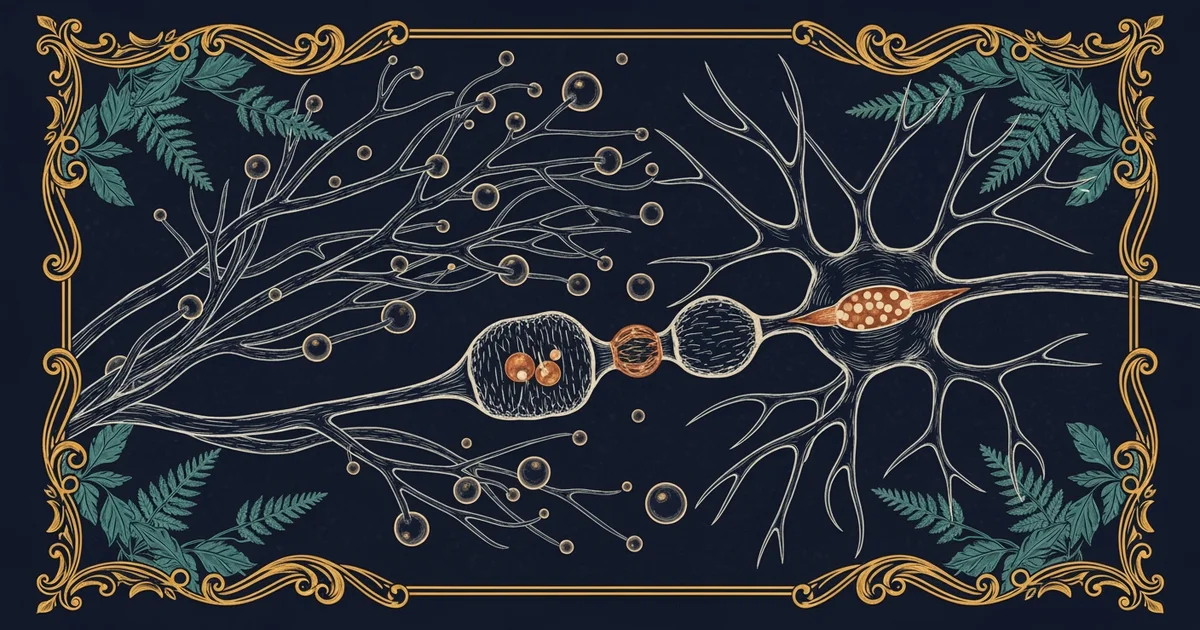
The Mechanism of Immune Hijacking
Microscopic pathogens often trigger a systemic response that alters how neurons communicate with one another across the brain. This neuroinflammation occurs when immune cells release chemical messengers that cross the blood-brain barrier to reach sensitive neural tissues. Think of this like a household budget during a sudden emergency, where funds for home renovations are instantly diverted to pay for expensive, urgent plumbing repairs. The brain sacrifices cognitive flexibility to ensure the immune system has enough energy to neutralize the invading threat as quickly as possible.
Key term: Neuroinflammation — the process where immune system activation causes persistent swelling and chemical changes within the brain.
This shift in resource allocation explains why people often feel mentally foggy or emotionally detached during a flu. The brain is literally under construction, leaving less room for the normal, nuanced processing of complex emotional information.
Linking Pathogens to Behavioral Shifts
Beyond basic fatigue, specific infections can influence long-term mental health patterns by altering the chemical environment where neurons operate. Persistent exposure to these inflammatory signals can interfere with the production of neurotransmitters like serotonin or dopamine. When these systems are disrupted, the brain struggles to maintain a consistent mood or healthy sleep cycle.
| Infection Type | Primary Impact | Behavioral Result |
|---|---|---|
| Viral Pathogens | Cytokine storm | Social withdrawal |
| Bacterial Load | Toxin release | Cognitive slowing |
| Chronic Stress | Hormone change | Mood instability |
These impacts demonstrate that mental health is not merely a product of thoughts or personality traits. It is a biological outcome shaped by the constant interaction between our internal chemistry and external microscopic threats.
The Reality of Psychosis and Immunity
Severe cases show that some pathogens can trigger psychosis, a condition where the brain struggles to distinguish reality from internal mental projections. This happens when the immune response becomes overactive and begins to affect the regions of the brain responsible for sensory interpretation. By flooding the system with inflammatory signals, the body inadvertently disrupts the delicate balance required for clear perception and logical thought.
Understanding this link changes how we view mental health challenges in modern clinical settings. Instead of treating the brain as an isolated organ, doctors now look for underlying biological stressors that might be driving these changes. If we can identify the specific pathogens causing this interference, we can potentially restore mental balance by addressing the source of the infection. This approach treats the whole person rather than just managing the symptoms of the mental distress itself.
Mental health outcomes are often the biological result of the brain responding to systemic immune signals rather than just internal psychological processes.
But this model becomes difficult to verify when the pathogen is already cleared from the body yet the behavioral changes persist.