
Brain-Gut Signaling
Your body contains a hidden information highway that connects your stomach directly to your brain. This path influences your moods and decisions without you ever consciously noticing the process.
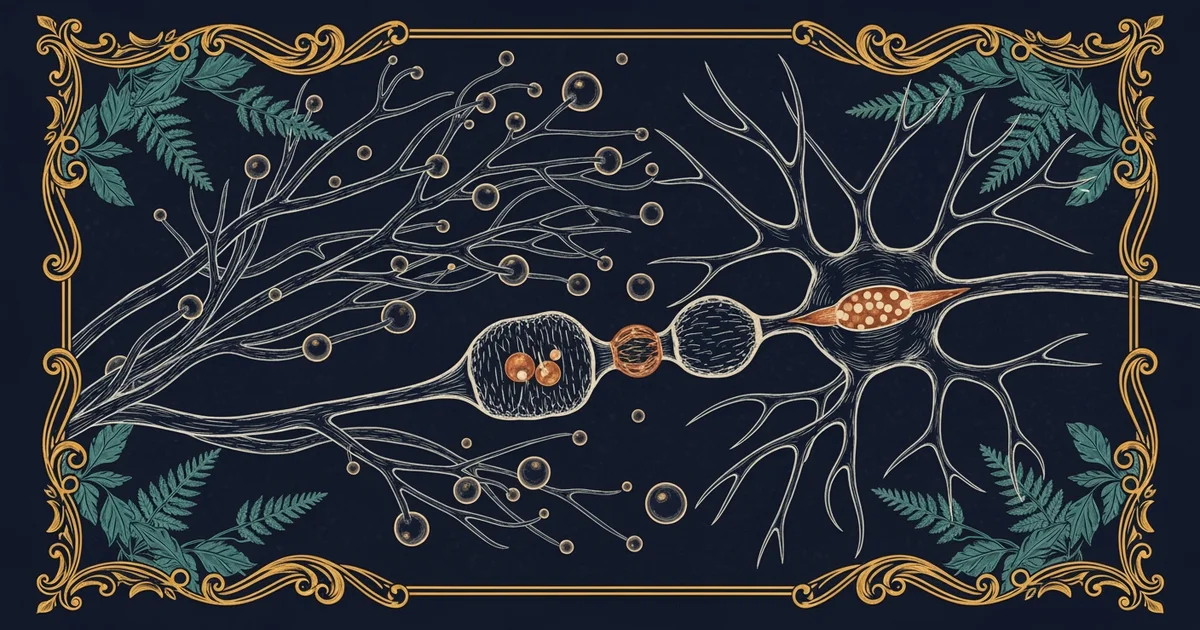
The Anatomy of Internal Communication
The primary connection between your gut and your brain is the vagus nerve, which functions like a high-speed fiber optic cable. This nerve bundle runs from your brain stem down through your neck and into your abdomen. It constantly monitors the chemical environment inside your digestive tract to ensure everything stays stable. When the nerve detects specific signals from your gut, it sends electrical impulses upward to your central nervous system. This direct line allows your gut to influence how you feel and react to the world. Think of this process like a business manager who sends regular status reports to the company owner. The gut acts as the manager, gathering data from the front lines of digestion. The brain acts as the owner, adjusting corporate policy based on those incoming reports. If the gut sends an alarm signal, the brain immediately shifts its focus to address the problem. This biological feedback loop ensures that your internal systems remain synchronized for optimal survival and daily physical energy.
Chemical Messengers and Signal Processing
Beyond simple electrical pulses, your gut uses chemical messengers to communicate complex information about your internal state. These chemicals interact with the nerve endings to create a language that your brain understands perfectly. The process requires several distinct steps to ensure the message remains clear and accurate during transit. Your body relies on these chemical signals to regulate hunger, stress levels, and even your overall emotional stability. Without this constant stream of data, your brain would struggle to manage your metabolic needs effectively. The following list explains how the body handles these internal messages during normal daily operations:
- The gut lining produces specialized hormones that react to the presence of food or harmful bacteria.
- These hormones bind to receptors on the nerve endings, which triggers a change in the electrical voltage.
- The nerve then carries this converted signal to the brain stem for rapid processing and immediate action.
- The brain interprets the signal to adjust your heart rate, your breathing, or your current hunger levels.
This sophisticated system allows your body to respond to environmental changes before you even realize a change happened. It is a silent but powerful architecture that maintains your health through constant, automated, and invisible biological negotiations.
Regulatory Loops and Biological Balance
Maintaining balance requires the system to process multiple types of inputs simultaneously across the entire digestive tract. The brain must weigh these inputs against the needs of other organs to maintain total body equilibrium. This is where the complexity of the signaling system truly shines during your normal daily routine. The table below compares how different parts of the gut send specific information to the brain for processing.
| Gut Region | Signal Type | Primary Action | Response Speed |
|---|---|---|---|
| Stomach | Mechanical | Detect volume | Very Fast |
| Small Intestine | Chemical | Nutrient check | Moderate |
| Large Intestine | Microbial | Waste analysis | Slow |
This structure prevents the brain from being overwhelmed by too much data at one time. By separating the signals into categories, the body ensures that critical survival information always reaches the brain first. The mechanical signals from your stomach tell the brain when to stop eating, while the chemical signals from your intestines monitor nutrient absorption. This division of labor allows your body to manage energy levels with incredible precision. If your gut health declines, these signals can become distorted, which leads to confusion in your brain about what the body actually needs. You might feel hungry even when your stomach is full, or you might feel tired even after resting. This happens because the communication line is experiencing interference, similar to a radio signal that has too much static noise. Keeping your gut healthy ensures the signal remains clear, which helps your brain make better decisions for your long-term health.
The vagus nerve serves as a critical bridge that allows the gut to send chemical data to the brain for real-time behavioral regulation.
But what does it look like when this communication system begins to influence your actual mental health?