
Ionospheric Current Systems
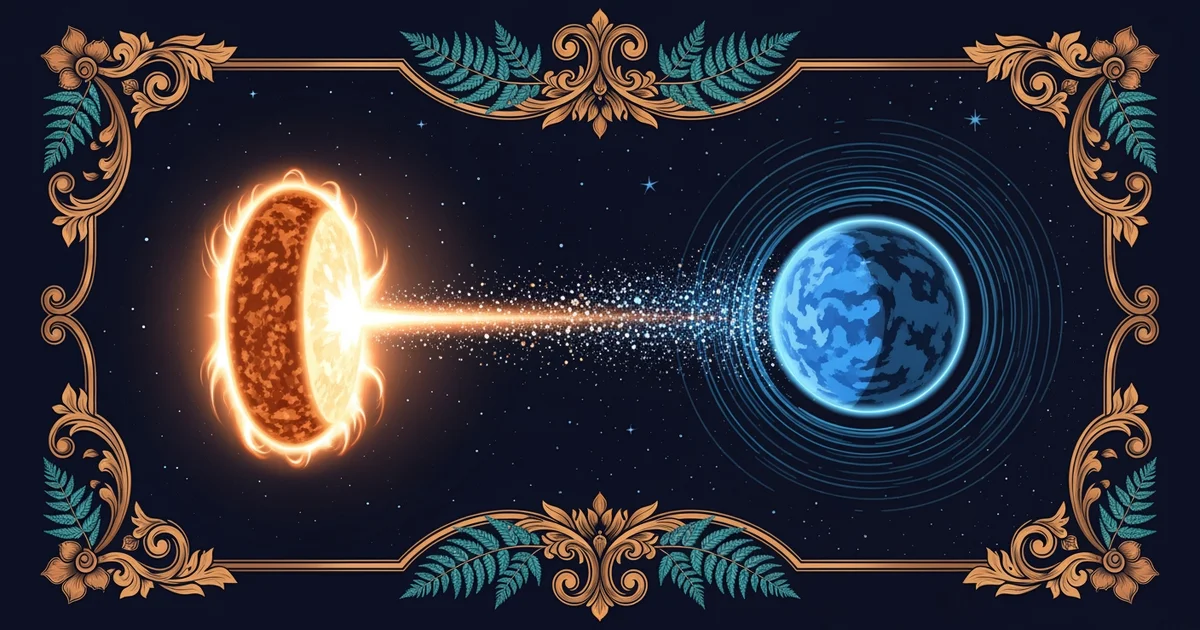
Imagine you are driving a car on a dark highway when the streetlights suddenly flicker. This strange phenomenon reveals how invisible forces in our upper atmosphere shape our technological world today. When the Sun releases bursts of energy, it strikes the Earth with charged particles that travel through space. These particles interact with the thin gases high above our heads in the ionosphere region. This interaction creates massive electrical rivers that flow around our planet like invisible highways of energy. These rivers are not made of water but consist of flowing charged particles called ionospheric currents. When these currents surge during solar storms, they create magnetic fields that reach all the way down to the ground. This process creates significant challenges for our power grids and communication networks across the globe.
The Mechanics of Atmospheric Electricity
These electrical flows occur because the ionosphere contains many free electrons and ions that move freely. When solar wind hits the Earth, it pushes these particles into motion, creating a global circuit. Think of this process like a giant battery where the Sun acts as the charger for the system. The energy flows through the atmosphere, creating currents that follow the lines of the Earth's magnetic field. These currents move at incredible speeds, often reaching thousands of kilometers per hour in the upper atmosphere. Because the atmosphere is not a perfect conductor, these moving charges create heat and other complex physical effects.
Key term: Ionospheric currents — large-scale movements of charged particles in the upper atmosphere driven by solar activity.
This movement is not always steady, as solar activity causes the intensity of these currents to fluctuate. When the Sun is very active, the currents grow stronger and start to behave in unpredictable ways. These fluctuations create a push-and-pull effect on the magnetic field lines that protect our planet from space. The shifting magnetic field lines then create a secondary effect that influences our ground-based infrastructure systems.
Magnetic Disturbances and Ground Impacts
As these currents move, they induce secondary electrical currents in the conductive materials found on the Earth's surface. This process is very similar to how a transformer works in a local power station near your home. When the magnetic field shifts rapidly, it forces electrons to move through long metal wires like power lines. These induced currents can overwhelm the equipment that manages our electricity, leading to potential failures or outages. The following table highlights how different levels of solar activity influence these magnetic disturbances on the ground.
| Solar Activity Level | Current Strength | Ground Impact Risk | Typical Duration |
|---|---|---|---|
| Low Solar Activity | Very Minimal | Negligible | Constant |
| Moderate Activity | Noticeable | Low Risk | Several Hours |
| High Solar Activity | Extremely Intense | High Risk | Days to Weeks |
Understanding these impacts requires tracking the relationship between the ionosphere and our surface infrastructure systems very carefully. Engineers use this data to design power grids that can withstand these sudden surges of electrical energy. By monitoring the ionospheric currents, we can predict when the magnetic field might cause problems for our technology. This field of study is vital for keeping our modern digital society running smoothly despite the violent nature of our Sun. The following list outlines the primary ways these currents manifest in our daily technological environment:
- Geomagnetically induced currents flow into long-distance power lines, potentially damaging transformers by causing them to overheat or fail during operation.
- Signal interference patterns occur when ionospheric density changes, which disrupts the timing signals used by global positioning systems for navigation.
- Magnetic field variations create ripples in the Earth's natural magnetism, which can confuse sensitive compasses and deep-sea exploration equipment systems.
The invisible electrical highways in our upper atmosphere act as a bridge between solar energy and the stability of our ground-based electrical systems.
But what does it look like in practice when these currents interact with our orbiting satellite networks?