
The Tech Rehearsal
A sudden rip in a performer's silk sleeve during the final dress rehearsal sends a wave of panic through the stage crew. You must act fast to fix the issue before the curtain rises for the opening night performance.
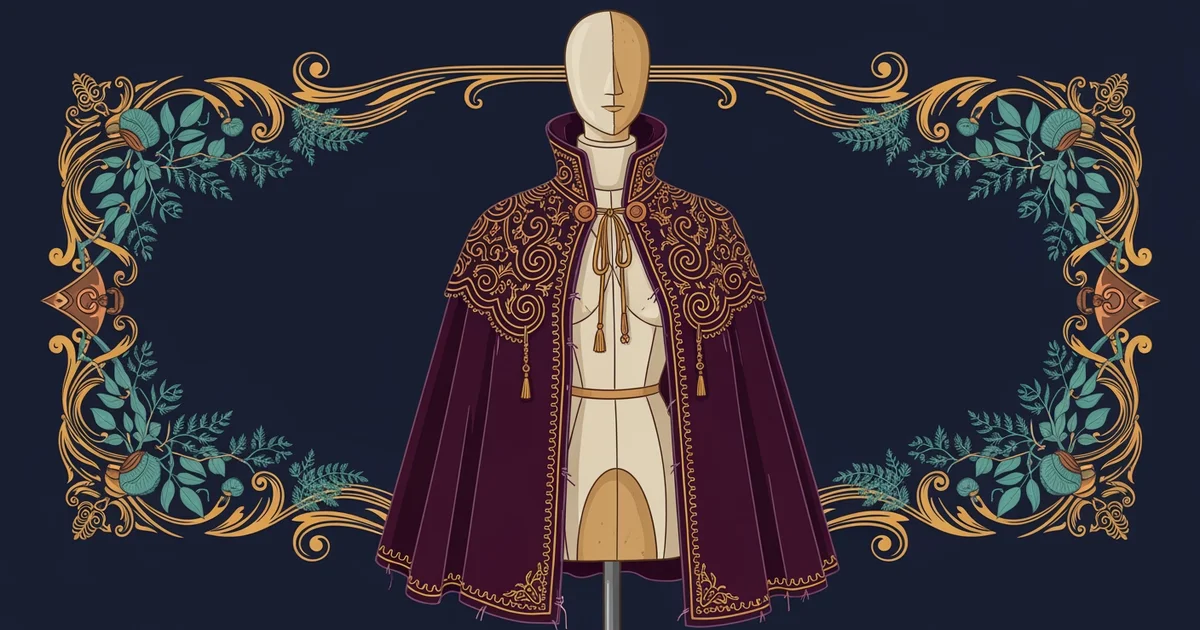
Solving Costume Malfunctions Under Pressure
Technical rehearsals serve as the ultimate stress test for every costume piece designed for the stage. During these sessions, the creative team evaluates how garments hold up under intense stage lights and rapid physical movement. A costume that looks perfect in a quiet fitting room often fails when an actor sprints across the stage or performs complex choreography. Designers must watch closely to see if fabric seams pull apart or if heavy embellishments cause the garment to sag. When these problems occur, the crew needs immediate solutions that ensure the costume remains durable while maintaining its intended aesthetic look. Much like an emergency repair kit for a stranded driver, your costume kit acts as a vital safety net for every performance.
Key term: Technical rehearsal — the final series of practice sessions where actors, technicians, and designers test every element of the production in the actual performance space.
Managing costume issues requires a systematic approach to ensure that every repair is both functional and invisible to the audience. When a malfunction happens, you should first assess whether the fix needs to be permanent or if a temporary solution will suffice for the show. Sewing a loose button or reinforcing a strained seam usually takes priority over cosmetic touch-ups because structural integrity prevents further damage. If a costume piece causes a safety hazard, such as a long hem that risks tripping the actor, you must modify the design immediately. You might need to use safety pins or fabric tape for a quick fix if the time before the next scene is extremely limited.
Maintaining Artistic Integrity During Repairs
Preserving the character's visual identity remains the primary goal even when you are rushing to complete a repair. While the audience might not notice a small stitch, they will certainly see a costume that does not fit the character's personality or the show's specific era. You should always choose repair materials that match the original fabric texture and color to keep the illusion of the character alive. This balance between speed and quality is essential for maintaining the production value that the director and costume designer worked so hard to establish. By documenting every adjustment made during these rehearsals, you help the team prepare for long-term maintenance throughout the entire run of the production.
To manage these tasks effectively, follow this standard workflow for handling common stage wardrobe emergencies:
- Identify the exact location of the costume failure to determine if the issue is structural or cosmetic.
- Select the appropriate tool for the repair, such as heavy-duty thread for seams or quick-dry adhesive for trim.
- Perform the repair while the actor is wearing the garment to ensure the fit remains comfortable and natural.
- Test the movement of the costume after the fix to verify that the repair holds under high physical stress.
- Log the repair in the maintenance binder so the team can provide a more permanent fix after the show finishes.
This process ensures that the costume continues to transform the actor into their character, which is the core purpose of your work. By addressing these technical challenges, you bridge the gap between a static design and a living, breathing performance on stage. The costume acts as a second skin that allows the actor to inhabit their role without worrying about wardrobe failures. Consistent attention to these details ensures that the audience stays focused on the story rather than the mechanics behind the scenes. Your ability to solve these problems on the fly is what separates a good production from a truly professional one.
Effective costume management during technical rehearsals relies on balancing quick, functional repairs with the long-term need to maintain the character's visual design integrity.
The next step involves presenting the final costume collection to the director to confirm that every element supports the narrative vision.