
Research and Inspiration
Imagine you are building a house without a blueprint or a vision for the final structure. You would likely end up with a pile of mismatched lumber and broken windows instead of a home. Designing a costume works in the exact same way because you need a clear plan before you start sewing. Research provides the foundation for every choice you make when creating a character for the stage. Without this vital step, your work lacks the purpose required to make a performer look like a real person.
Building Your Visual Foundation
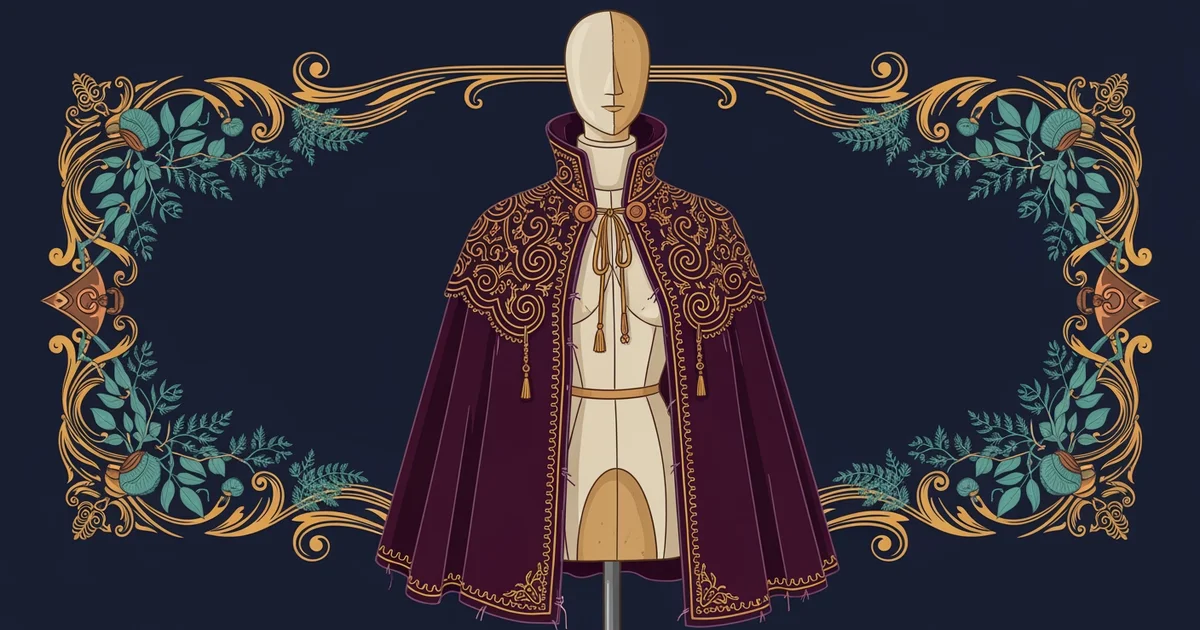
When you begin your research, you are acting like a detective searching for clues about your character. You must look at the time period, the social status, and the personality of the person you are dressing. If the script says your character is a poor farmer from the year eighteen hundred, you start by looking at historical photos. You should identify the fabrics, colors, and silhouettes that were common for that specific group of people. This process helps you build a mood board, which is a collection of images that set the tone for your design. By gathering these visual pieces, you create a map that guides your construction process from start to finish.
Think of your mood board like a grocery list you take to the store before you start cooking. If you arrive at the kitchen without a plan, you might buy random ingredients that do not work well together. Your mood board ensures that every button, stitch, and fabric choice serves the same goal for your character. It prevents you from choosing a bright neon fabric for a character who needs to look dull and weary. This tool keeps your creative decisions focused on the story instead of just picking things that look pretty to your eye.
Organizing Your Research Findings
Once you have your images, you need to organize them into categories that make sense for your workflow. You can group your findings by color palette, texture, or even specific garment types to simplify your construction later on. This structure allows you to see patterns in your research that you might have missed if the images were just a messy pile. You can use a table to compare different visual elements as you narrow down your final design choices for the stage.
| Design Element | Why It Matters | How To Research It |
|---|---|---|
| Color Palette | Sets the mood | Study color history |
| Fabric Texture | Shows character wealth | Feel samples in shops |
| Silhouette | Defines the era | Look at old portraits |
Using this table helps you see how different parts of the costume must work together as one unit. For example, a heavy wool fabric will create a very different silhouette than a light silk or cotton. If you decide on a specific color palette, you must ensure that the textures you choose also fit that same feeling. This level of detail is what separates a basic outfit from a professional costume design that tells a story. When you organize your research this way, you find that your confidence grows because you have evidence to support every single creative choice you make.
Always remember that your research is not meant to limit your creativity or force you into a box. It is meant to provide a playground where your imagination can work within the reality of the script. If you find a historical detail that feels too boring, you can look for ways to adapt it to fit the needs of your play. The goal is to make the audience believe the character exists, not just to copy old photos perfectly. Research is the secret ingredient that transforms a simple actor into a believable person on the stage.
Research acts as the essential blueprint that guides every creative decision, ensuring that each costume element contributes to a believable and unified character identity.
Now that you have gathered your visual inspiration, we will explore how to apply those findings using the principles of color theory to influence audience perception.