
Fabric Selection Basics
Imagine you are running across a stage to catch a falling prop during a live play. If your costume is too heavy or stiff, your movement will look awkward and unnatural to the audience. Choosing the right fabric is like selecting the correct tires for a high-speed race car. You need a material that grips the stage while allowing for quick, fluid motion without tearing or bunching up. Designers must balance the visual style of a character with the practical demands of physical performance.
Understanding Fabric Weight and Movement
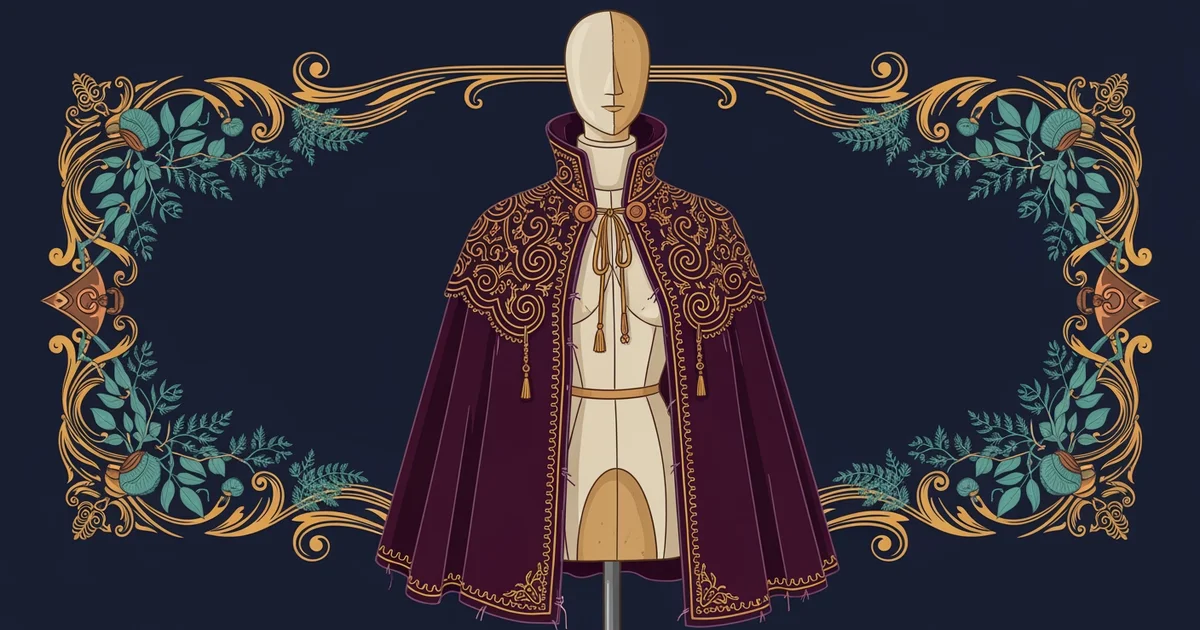
Every fabric has a specific weight that dictates how it hangs on a human body during active movement. Heavier materials like wool or heavy velvet provide structure and warmth, which works well for regal or slow-moving characters. Lighter fabrics such as silk, chiffon, or thin cotton blends offer a flowy appearance that reacts to every turn and gesture. When an actor moves, the fabric should act as an extension of their body rather than a barrier to their expression. A designer must test these materials by draping them over a dress form to see how they fold and sway in motion.
Key term: Drape — the way a fabric hangs or falls on a body, which determines how it moves during a performance.
If you choose a fabric with poor drape, the costume will look stiff and lifeless under the bright stage lights. Think of heavy denim compared to lightweight satin; the denim stands firm, while the satin ripples with the slightest breeze. Selecting the wrong weight can make a character appear bulky or uncomfortable, which distracts the audience from the story being told. Always consider the physical actions required by the script, such as jumping, kneeling, or running, before you finalize your material choice for the costume.
Matching Materials to Character Needs
Beyond weight, the texture and elasticity of a fabric are vital for performers who need full range of motion. Modern stage costumes often use stretch fabrics to accommodate dancers or athletes who perform complex stunts. These materials contain synthetic fibers that allow the garment to snap back to its original shape after stretching. Without this flexibility, a seam might pop during a dramatic reach or a high kick, which ruins the immersion for the audience. Designers must also consider how light interacts with different textures, as shiny materials reflect light differently than matte surfaces.
To keep track of these needs, designers often use a simple guide to categorize their fabric choices based on the character requirements:
- Cotton provides a natural, matte look that is easy to dye and sew, making it perfect for everyday character clothing that needs to feel authentic.
- Polyester blends offer high durability and wrinkle resistance, which serves well for costumes that must endure long runs or frequent cleaning between shows.
- Spandex or lycra mixtures allow for maximum mobility, which is essential for acrobatic roles or characters that require intense physical exertion on stage.
Choosing the right material ensures the actor feels confident and secure throughout the entire show. When the costume fits well and moves correctly, the actor can focus entirely on their performance and character development. This seamless integration of material and movement is what turns a simple piece of clothing into a believable part of the world on stage. By prioritizing comfort and function alongside aesthetics, the designer supports the actor in bringing the story to life for every person in the theater.
Selecting the correct fabric requires balancing the visual style of a character with the physical demands of their movement on stage.
The next Station introduces sketching character concepts, which determines how your fabric choices will look on paper.