
Sketching Character Concepts
A blank piece of paper holds the potential to build an entire world through simple lines and shapes. When you sit down to design a character, you are essentially acting as an architect for a person who does not yet exist. A good sketch captures the spirit of the role while giving the construction team a clear roadmap for their work. Without a solid plan, even the most talented seamstress will struggle to turn fabric into a convincing person. You must focus on the silhouette and the details that make the character feel real to the audience. Every line you draw should tell a story about the person wearing the garment.
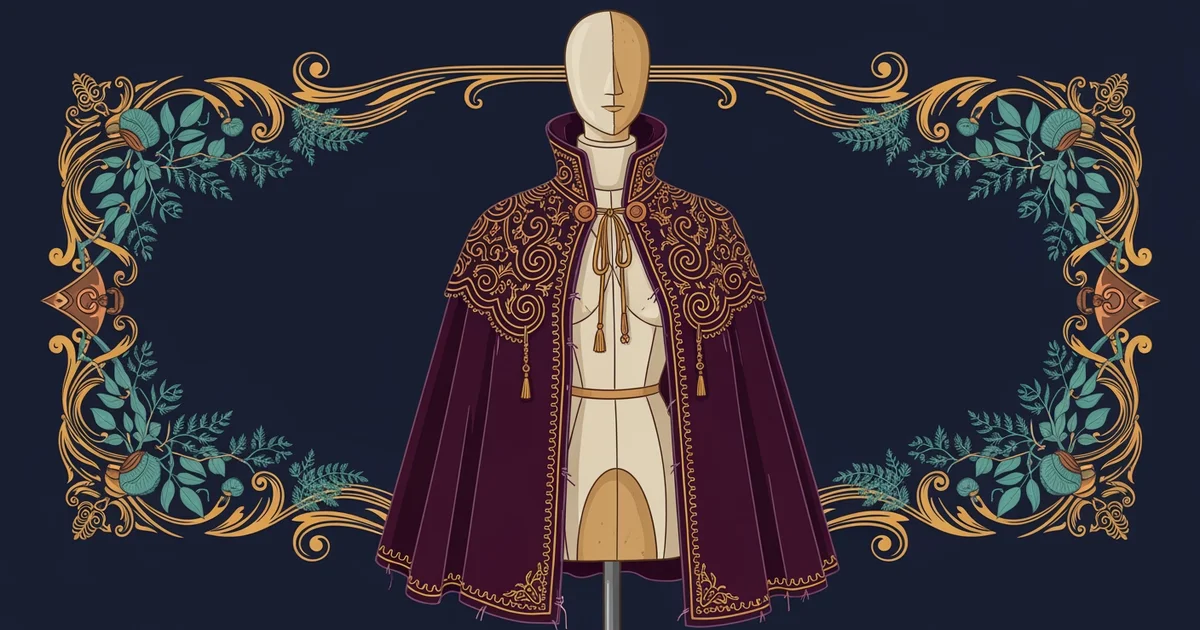
The Language of Costume Lines
Drawing a costume requires you to think about how fabric behaves on a human body in motion. You start with a basic figure, often called a croquis, which serves as your blank canvas for the design. Think of this process like planning a house layout before you start buying furniture or paint. If you do not plan where the doors and windows go, the house will never function correctly for the people living inside. Your sketch provides the structural integrity for the costume, ensuring that the final product looks intentional rather than accidental. By sketching, you test your ideas without wasting expensive materials or precious time on the sewing machine.
Key term: Croquis — a simple, elongated figure drawing used by designers as a template to sketch clothing ideas quickly and consistently.
When you begin your sketch, focus on the silhouette of the character to establish their presence on the stage. The silhouette is the total outline of the costume, which tells the audience who the character is before they even speak. A sharp, angular outline might suggest a villain or a stern authority figure, while soft, rounded lines often convey kindness or vulnerability. You should experiment with different shapes on your paper until the outline matches the personality of your role. Once the shape is set, you can start adding the smaller details that bring the character to life.
Refinement and Technical Details
After the main shape is established, you must refine the sketch to include technical details that the sewing team needs to know. You should use clear lines to indicate where seams will sit, how garments fasten, and where the fabric drapes over the body. It helps to keep a list of specific design requirements to ensure your sketch is practical for the actor. You can organize these design elements by their purpose to keep your planning process efficient and logical for the production team:
- Structural elements define the shape of the garment, such as stiff collars or padded shoulders that change the actor's physical profile.
- Functional elements allow the actor to move, breathe, and perform, including hidden zippers, elastic gussets, or clever snaps for quick changes.
- Decorative elements add the finishing touches, such as lace, buttons, or specific color patterns that communicate the character's status or historical setting.
| Element Type | Purpose | Example |
|---|---|---|
| Structural | Form | Corset |
| Functional | Mobility | Zipper |
| Decorative | Style | Trim |
Consider how these elements work together to create a cohesive look that fits the story. A costume that looks beautiful but restricts movement will fail the actor during a high-energy dance sequence. You must balance your artistic vision with the physical realities of the stage. If you find that a design element is too complex, simplify it until it serves the character without making the costume impossible to wear. Your final sketch should be a clear, professional guide that leaves no room for confusion during the construction phase. By following this method, you ensure that every costume supports the actor in telling a compelling story to the audience.
A well-planned costume sketch acts as a vital bridge between a creative vision and the physical reality of a stage-ready garment.
The next Station introduces Historical Silhouette Study, which determines how specific time periods influence the shape of your costume designs.