
The Role of Costume Design
The Art of Visual Storytelling
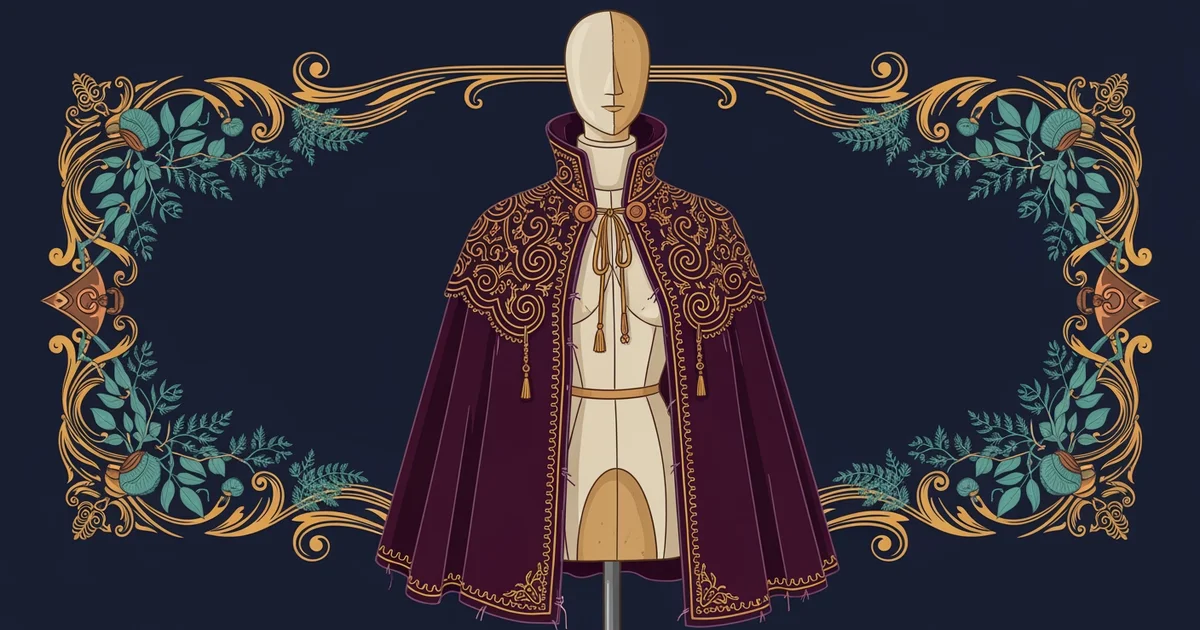
Costume design is the silent language of the stage. Every garment tells a story about the character wearing it. A well-designed costume helps the audience understand a person before they speak. It communicates their social status, their personality, and their current emotional state. Designers work hard to create this visual shorthand for the stage. They must consider the time period and the setting of the play. They also need to think about how the actor will move while wearing the pieces. Good design is not just about looking pretty. It is about supporting the narrative goals of the entire production team.
The History of Stage Dress
Historically, theater costumes were often simple and symbolic in nature. Early Greek actors used masks and robes to show character types. As time went on, costumes became more detailed and realistic for audiences. The Victorian era brought a massive shift toward historical accuracy in design. Designers began researching the specific fashions of the era being depicted. This tradition continues today in modern professional theater and film productions. Understanding this history helps designers make informed choices for their own projects. You can see how styles evolved by looking at old sketches and photos.
The Design Process Overview
Every project starts with a deep dive into the script. A designer reads the play many times to find hidden clues. They look for descriptions of clothing mentioned by the playwright. They also look for clues about the personality of each character. Once the script is understood, the designer begins the research phase. They gather images, textures, and colors that fit the mood. This research helps them create a clear vision for the show. After that, they create sketches to show the director their ideas. These sketches serve as the blueprint for the final costume construction process.
Visualizing the Character
Visual language is a powerful tool for any costume designer. You use lines, shapes, and colors to create a unique look. A sharp, angular design might suggest a villain or a cold person. A soft, flowing design might suggest someone who is gentle and kind. You can use these visual elements to guide the audience's feelings. It is important to keep these design choices consistent for each character. If a character changes, their costume might change to show that growth. This is a subtle way to show the character's journey on stage.
The Role of the Designer
Designers are essential partners in the creative process of theater. They talk with the director to ensure their vision aligns well. They must also work with the actors to ensure the clothes fit. A costume that is uncomfortable will distract the actor during a performance. The designer must balance their artistic vision with practical safety needs. They are responsible for making sure the actors can move and breathe. They also ensure the costumes hold up under the bright stage lights. It is a challenging but very rewarding role for creative individuals.
This diagram shows the basic flow of a costume project. You start with the script and move forward. Each step depends on the success of the one before it. Research builds the foundation for your creative design sketches. Construction then brings those sketches to life for the actors. Finally, the performance is the moment the work is shared. Every part of this cycle is vital for a success. You must respect each stage to achieve the best possible result.
Practical Skills for Designers
Beyond the artistic side, designers need many practical skills. You should understand the basics of sewing and fabric construction. You should know how to measure an actor accurately for clothes. You should also be familiar with different types of textiles. Some fabrics drape well while others are stiff and structured. Knowing these differences will change how you approach your design work. You can learn these skills through practice and careful study at home. Start with simple projects to build your confidence and your speed.
Conclusion to the Path
Costume design is a blend of art and technical skill. It requires a keen eye for detail and a steady hand. By following this path, you will learn the essential steps. You will move from the script to the final stage. Each station will teach you a new and vital skill. You will build a strong foundation for your future design work. Get ready to explore the magic of bringing characters to life. Your journey into the world of costume design starts right here.