
Costume Maintenance
When a touring production of a major Broadway show arrives at a new city, the wardrobe crew immediately begins checking every single garment for loose threads or missing buttons. This daily ritual prevents minor wear from becoming a major disaster during the middle of an intense live performance. Costume maintenance is the unseen engine that keeps the visual world of the play running smoothly night after night.
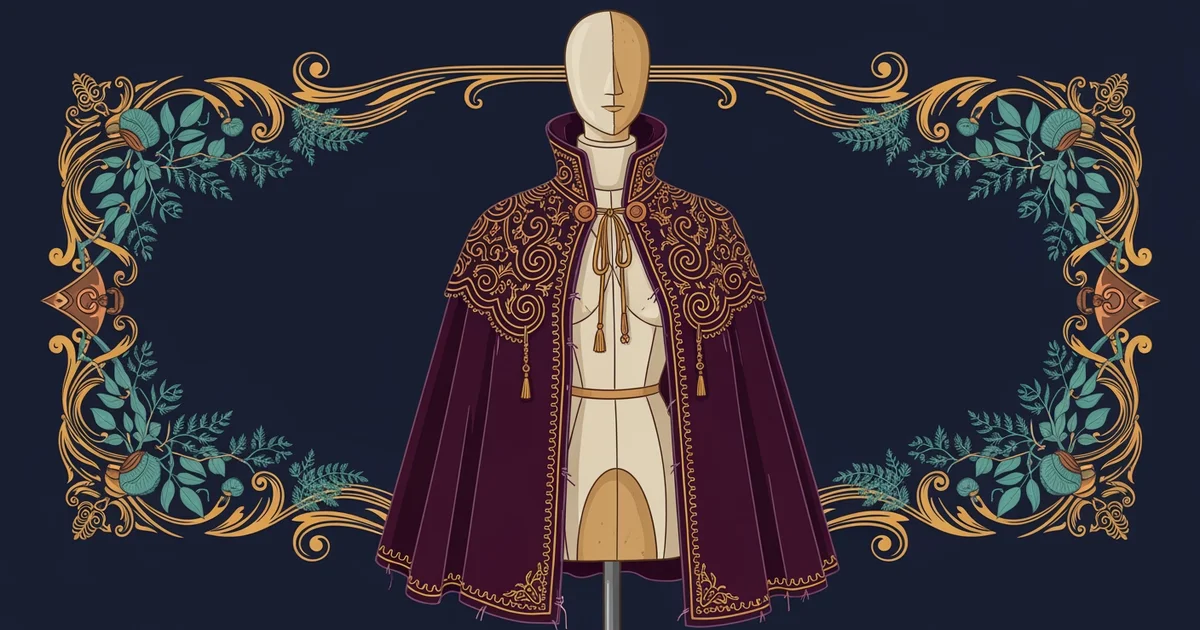
Establishing a Reliable Care Routine
Every costume must undergo a rigorous inspection process before the house lights dim for the opening scene of the play. This process ensures that the character appears exactly as the designer intended throughout the entire run of the production. Much like how a mechanic checks the oil and tire pressure of a car before a long road trip, the wardrobe team verifies the structural integrity of every piece. They look for signs of stress on seams, broken zippers, or fabric tears that might worsen under the bright stage lights. By catching these small issues early, the team avoids the panic of a mid-show wardrobe failure. This consistent attention to detail preserves the illusion of the character for the audience members sitting in the front row.
Key term: Wardrobe maintenance — the systematic process of cleaning, repairing, and storing theatrical costumes to ensure they remain functional and visually accurate for every performance.
Implementing Standard Maintenance Procedures
To keep the costumes in top shape, the crew follows a set of established rules that govern how items are handled, cleaned, and repaired. These steps are essential for maintaining the quality of delicate fabrics that must survive heavy use. The following list outlines the core tasks that keep the wardrobe department organized and efficient during a busy production schedule:
- Daily spot cleaning removes surface stains or perspiration marks using gentle solutions that do not damage the original fabric fibers or change the color of the costume.
- Regular steaming helps smooth out wrinkles caused by movement or improper storage, which ensures the garment looks crisp and professional under the harsh glare of stage lighting.
- Routine seam reinforcement prevents the catastrophic failure of closures or hemlines during quick changes, providing peace of mind for the actors who must move rapidly between scenes.
Proper storage is equally important for maintaining the longevity of these expensive items between shows. Costumes should never be left in a heap on the floor, as this leads to permanent creasing or damage to decorative elements. Instead, each piece is placed on a padded hanger or stored in a protective garment bag. This practice keeps the shape of the costume intact and protects it from dust or accidental spills. When the crew treats every item with this level of care, the costumes remain in peak condition for months of repeated use. This is the application of consistent care from Station 12 working in real conditions.
Managing Costume Integrity Over Time
| Task Type | Frequency | Primary Goal |
|---|---|---|
| Inspection | Pre-show | Identify damage |
| Steaming | Daily | Remove wrinkles |
| Patching | As needed | Fix structural tears |
| Deep Cleaning | Weekly | Hygiene and odor |
Maintaining the visual consistency of a character requires that the wardrobe team monitors how each costume ages under the stress of constant movement. Some fabrics are naturally more durable, while others are quite fragile and require extra caution during cleaning or repair. If a costume begins to look worn or faded, the team must decide whether to mend it or replace the specific piece entirely. This decision-making process balances the budget of the production with the high standards of the costume designer. By keeping a detailed log of repairs, the team can predict when a specific garment will need a full replacement. This proactive approach prevents the character from looking unkempt or inaccurate due to the natural wear and tear of a long-running performance schedule.
Consistent maintenance preserves the visual integrity of a character by preventing minor wear from escalating into a performance-halting wardrobe failure.
But this model breaks down when the production team faces the high-pressure demands of the final technical rehearsal.