
Final Costume Presentation
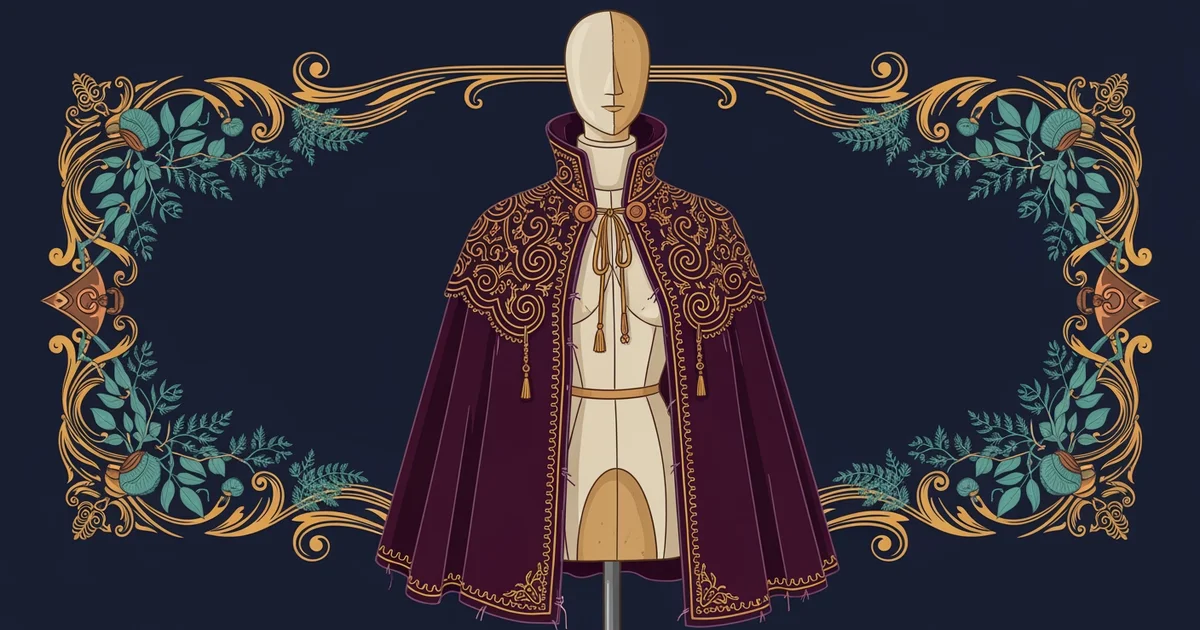
Walking onto the stage, an actor feels the weight of the fabric and the shape of the silhouette. This final look represents weeks of careful planning, fabric sourcing, and detailed sewing work for the production. The audience sees a character, but the designer sees every hidden stitch and structural choice made during the construction process. Presenting this finished costume requires a clear narrative that connects the initial vision to the final physical reality on the stage. You must explain how your choices support the story and help the actor move with confidence in their role.
Establishing the Design Narrative
When you present your final work, you must explain the artistic logic behind your specific material and color choices. Think of your presentation like a chef explaining a complex meal to a guest before they take the first bite. The visual elements serve as the ingredients that build the character's identity for the audience. You should highlight how the texture of the fabric creates a specific mood or time period for the viewers. If you chose heavy wool for a historical drama, explain how that weight changes the way an actor carries their body during a scene. This connection between the physical item and the actor's movement is the core of successful costume design.
Key term: Design Narrative — the story-driven explanation that links your artistic choices to the character's personality and the play's overall theme.
Your presentation should also address how the costume functions under the bright stage lights during the performance. Consider the following factors that impact how an audience perceives your work:
- Color Saturation ensures that the costume does not wash out or blend into the background scenery during intense lighting moments.
- Silhouette Definition uses specific cuts and padding to create a recognizable shape that defines the character from the back of the theater.
- Fabric Durability confirms that the materials can withstand the stress of quick changes and repeated movement throughout a long run of shows.
Evaluating Technical Construction Success
After discussing the artistic choices, you must pivot to the technical side of the costume creation process. This section of your review focuses on the durability and fit of the garment you built for the actor. A costume might look perfect on a hanger, but it must function perfectly while the actor is running or dancing. You should explain the specific sewing techniques used to reinforce stress points on the garment. These technical details prove that your work is professional and capable of surviving the physical demands of the theater environment.
| Feature | Technical Goal | Impact on Performance |
|---|---|---|
| Seam Strength | Prevent tearing | Keeps the actor safe |
| Fasteners | Allow quick changes | Improves show pacing |
| Hem Length | Prevent tripping | Ensures actor mobility |
By comparing these features, you demonstrate a deep understanding of how construction choices directly affect the safety and success of the production. You might also discuss the challenges you faced when adjusting the pattern to fit the specific body type of your actor. Every adjustment tells a story of problem-solving and dedication to the craft of costume building. This phase of the project is where you bridge the gap between a simple sketch and a fully realized piece of wearable art. The final presentation is not just about showing the clothes, but about proving that you understand the entire lifecycle of a costume from the initial idea to the final curtain call.
A successful costume presentation bridges the gap between artistic vision and physical function by explaining how every stitch serves the character's needs.
Costumes transform an actor into a believable character by combining visual storytelling with durable construction that supports natural movement on stage.