
Future Health Perspectives
Modern science faces a persistent tension regarding how individual hormone patterns dictate health outcomes across a lifespan. Researchers now grapple with the reality that standardized health metrics often fail to account for the unique biological rhythm of each person. While previous models treated these cycles as simple biological events, current evidence suggests a much more complex interaction between systemic health and internal chemical signals. This shift marks a move toward personalized medicine, where the focus moves from average population data to specific, individual physiological needs.
Advancing Precision in Hormonal Science
As researchers refine their understanding of hormonal fluctuations, the focus shifts toward how these cycles influence long-term metabolic stability. The body operates much like a complex financial portfolio, where internal assets must be balanced against external market stressors to ensure long-term solvency. If one hormone consistently underperforms or faces constant volatility, the entire system risks a deficit that manifests as chronic fatigue or metabolic distress. By tracking these patterns with higher precision, scientists hope to predict potential health risks before they become clinical issues. This proactive approach relies on data gathered through consistent observation rather than isolated snapshots of hormone levels taken at random intervals.
Key term: Precision medicine — a healthcare model that tailors medical decisions, practices, and products to individual patients based on their unique biological characteristics.
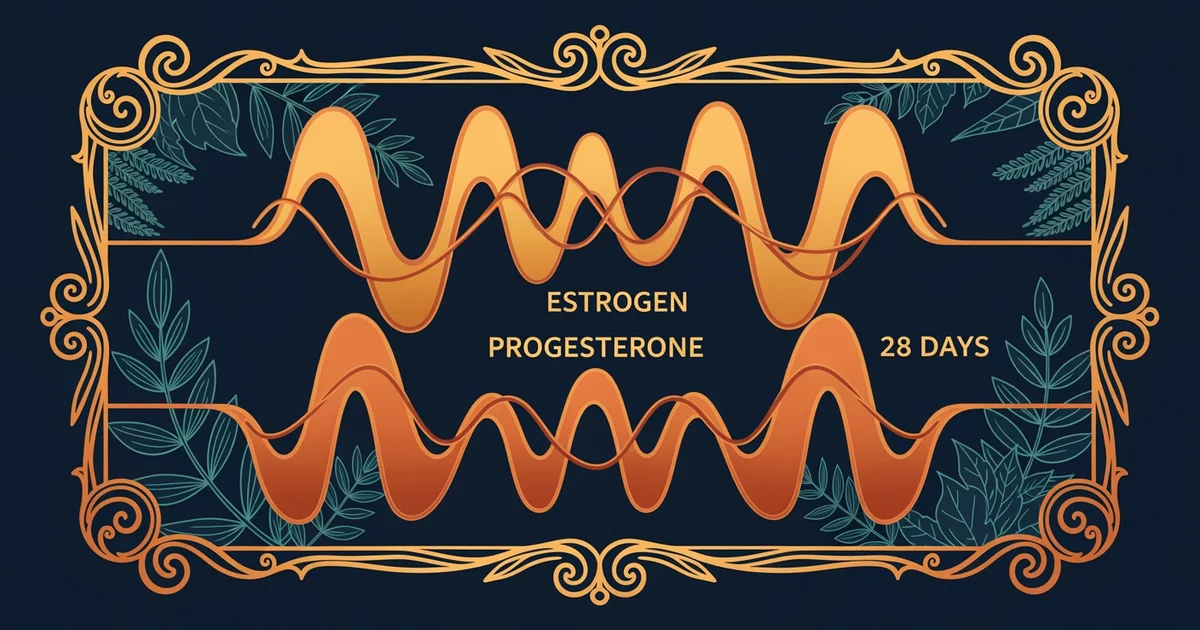
Many experts believe that integrating wearable technology into daily life will revolutionize how we monitor these cycles. These devices provide continuous data streams that reveal how lifestyle choices, such as sleep quality or physical activity, interact with natural hormone shifts. By analyzing this data, individuals can identify when their internal systems are most resilient or vulnerable to external stressors. This granular view allows for a more nuanced understanding of how hormones like estrogen or progesterone influence daily energy and cognitive function.
Emerging Trends in Digital Health Integration
Recent studies indicate that the integration of digital health tools can significantly improve the management of hormonal health. These tools help bridge the gap between subjective experience and objective biological data. The following list outlines how these technologies enhance our understanding of cycle health:
• Continuous monitoring sensors track daily temperature and heart rate variability to map hormonal phases with higher accuracy than traditional calendar-based tracking methods.
• Predictive algorithm software synthesizes personal health data to identify emerging patterns that might indicate shifts in hormonal balance, allowing for timely adjustments to lifestyle habits.
• Data visualization dashboards provide individuals with clear insights into their health trends, empowering them to make informed decisions about their own well-being based on real-time feedback.
These advancements change how we view the relationship between the brain and the reproductive system. Earlier, we explored the concept of Holistic Health Synthesis, which highlighted how mental and physical states are deeply intertwined. The current research builds on this by showing that hormonal cycles are not isolated events but are central pillars that support overall systemic health. When these systems are in sync, they facilitate better cognitive performance and emotional regulation. When they are out of balance, the resulting tension can impact everything from bone density to cardiovascular function.
| Research Focus | Potential Benefit | Data Source |
|---|---|---|
| Metabolic Mapping | Weight stability | Glucose sensors |
| Stress Response | Mental clarity | Cortisol tests |
| Cycle Resilience | Bone health | Blood panels |
The future of this field depends on our ability to interpret these complex signals without oversimplifying the underlying biology. Researchers are currently investigating how environmental factors, such as light exposure or dietary patterns, might shift the timing or intensity of these cycles. Understanding these external influences is the next frontier in medicine, as it could lead to non-invasive interventions that support natural hormonal balance. This path has shown that while hormonal cycles are universal, their impact on health is intensely personal and requires a dedicated, data-driven approach to master.
Understanding the intricate dance of hormones allows individuals to optimize their daily lives through informed, data-backed lifestyle adjustments. This content is educational only and does not constitute medical advice. Always consult a qualified healthcare professional for personal health decisions.