
The Follicular Phase
Imagine a gardener preparing a plot of land for the arrival of new spring seeds. This process requires careful planning and steady nourishment to ensure that the tiny plants eventually thrive. Just as the gardener works behind the scenes, the body undergoes a quiet but vital phase to prepare for potential reproduction. This period is known as the follicular phase, which marks the beginning of the monthly cycle for many people. During these days, the body focuses on building the necessary foundations for a future pregnancy.
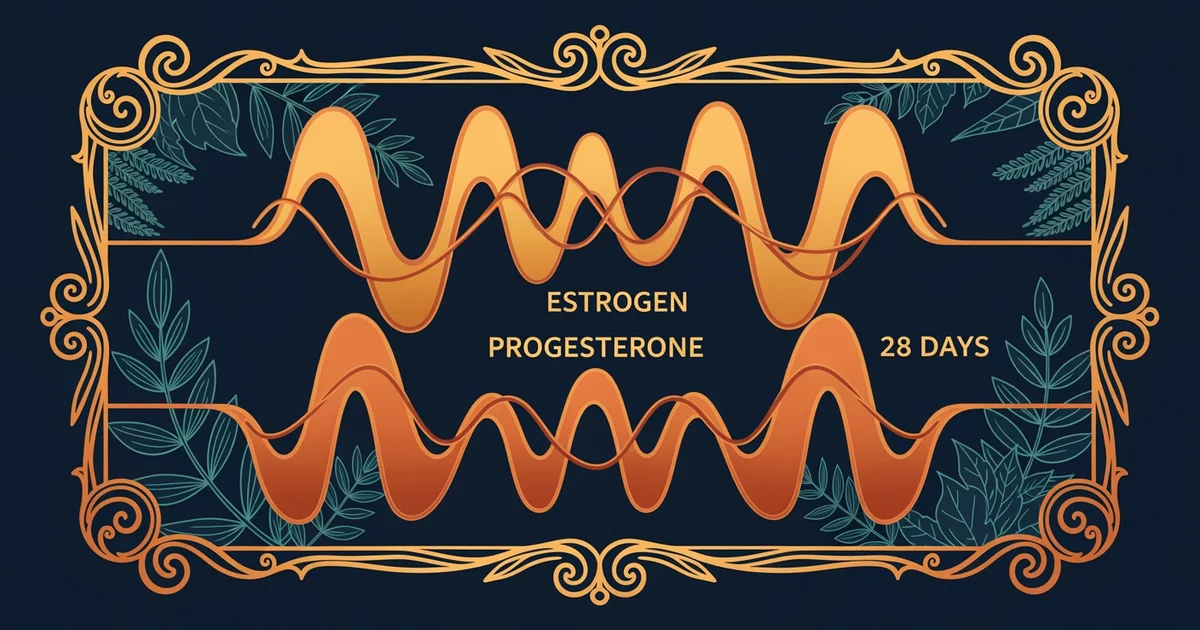
The Growth of Ovarian Follicles
When the cycle begins, the brain sends chemical signals to the ovaries to start the maturation process. Inside the ovaries, several small sacs called follicles begin to grow in response to these specific hormonal messages. Each follicle contains an immature egg that needs time and resources to reach its full potential. Think of this process like a high-stakes investment portfolio where multiple assets compete for limited resources during the early stages. The body initially nurtures several follicles simultaneously, even though only one will usually reach the final stage of development.
Key term: Follicle — a fluid-filled sac in the ovary that houses and protects an developing egg cell.
As these follicles grow, they secrete increasing amounts of estrogen into the bloodstream to signal their progress. This hormone acts as a messenger that tells the lining of the uterus to start thickening and preparing for a potential arrival. The growth of these structures is not random but follows a highly regulated sequence of events. If the follicle does not receive enough support, it will stop growing and eventually fade away to save the body energy. This selective process ensures that only the strongest candidates proceed to the next stage of the cycle.
Hormonal Regulation and Maturation
Because the body must balance many complex systems, the maturation of follicles requires precise timing and coordination. The following table outlines the key components involved in this developmental process during the early cycle:
| Component | Function | Status |
|---|---|---|
| Brain Signals | Triggers follicle growth | Active |
| Follicles | Protects maturing egg | Developing |
| Estrogen | Thickens uterine lining | Rising |
Research indicates that this phase typically lasts for about two weeks, though individual differences are very common. During this time, the rising levels of estrogen help the body feel more energized and prepared for the upcoming events. The brain monitors these hormone levels constantly to decide when the next phase of the cycle should begin. If the hormone levels remain stable, the body continues to invest in the development of the dominant follicle. This delicate balance allows the reproductive system to function with high efficiency over many years.
While the follicles grow, the rest of the body also adapts to the changing hormonal landscape. This phase is essential because it sets the stage for everything that follows in the reproductive cycle. Without the steady growth of these follicles, the body would lack the necessary signals to move forward. By understanding this phase, individuals gain insight into how their internal systems maintain health and balance. The body works tirelessly to ensure that every part of the cycle serves a clear purpose for long-term well-being. This content is educational only and does not constitute medical advice. Always consult a qualified healthcare professional for personal health decisions.
The follicular phase serves as a vital preparation period where the body nurtures developing follicles to ensure reproductive health.
The next Station introduces ovulation mechanics, which determines how the matured follicle releases the egg into the fallopian tube.