
Ovulation Mechanics
Imagine a high-stakes auction where a single, prized item remains hidden behind a heavy vault door. The atmosphere feels tense as the crowd waits for the precise moment the lock clicks open. This scenario mirrors the biological event known as ovulation, where the body prepares to release a mature egg. Just like the auctioneer waits for the highest bid to signal the start, the body waits for a specific hormonal signal. This process ensures that the reproductive system functions with remarkable timing and efficiency every single month.
The Role of the LH Surge
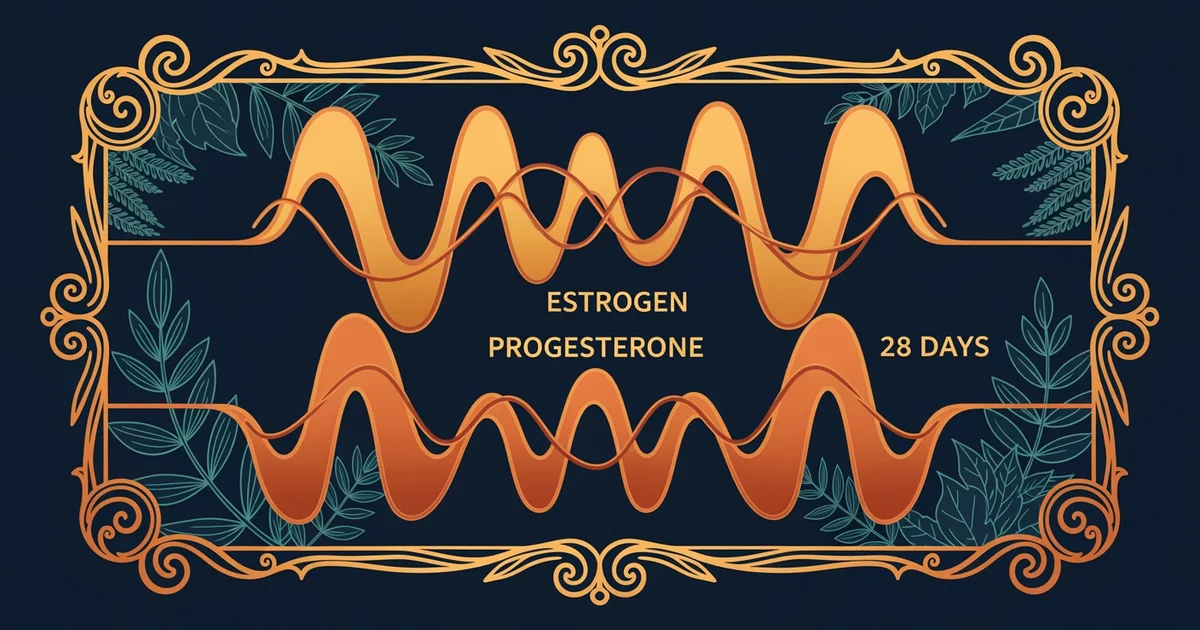
Before ovulation occurs, the brain must recognize that the follicle is ready to release its contents. The pituitary gland monitors the rising levels of estrogen produced by the growing follicle in the ovaries. Once estrogen reaches a specific threshold, the brain triggers a massive release of Luteinizing Hormone, commonly known as the LH surge. This sudden spike acts like a biological starter pistol, initiating the final maturation of the egg. Without this surge, the follicle remains trapped within the ovary, preventing the release of the egg for potential fertilization.
Key term: Luteinizing Hormone — the chemical messenger released by the pituitary gland that triggers the final release of a mature egg from the ovary.
Following the surge, the follicle undergoes rapid physical changes to prepare for the release event. The surge forces the follicle wall to thin while enzymes begin to break down the protective tissue. Think of this process as a construction crew clearing a path for a heavy vehicle to pass through a narrow gate. The crew works quickly to remove obstacles, ensuring the egg can exit the ovary safely. If the signal remains too weak, the gate stays closed and the cycle cannot proceed to the next stage.
Mechanical Release and Timing
Once the wall of the follicle weakens sufficiently, the pressure inside the ovary forces the egg outward. This mechanical release happens roughly twenty-four to thirty-six hours after the LH surge begins its peak levels. The egg travels into the fallopian tube, where it waits for a limited window of time. If fertilization does not happen, the egg eventually dissolves as the body prepares for the next phase of the cycle. This timing is critical, as the window for conception remains quite narrow for healthy individuals.
Below are the three primary stages that define the mechanical release of the egg during the cycle:
- The pituitary gland detects high estrogen levels and releases a concentrated burst of LH into the bloodstream.
- The surge activates specific enzymes that digest the follicle wall, creating a physical opening for the egg.
- Internal pressure within the follicle forces the mature egg to exit the ovary and enter the tube.
| Stage | Primary Driver | Physical Outcome |
|---|---|---|
| Signal | LH Surge | Pituitary activation |
| Prep | Enzyme action | Follicle wall thinning |
| Release | Pressure | Egg expulsion |
These steps show how the body coordinates chemical signals with physical movements to ensure reproductive success. The coordination between the brain and the ovaries represents a complex biological feedback loop that repeats monthly. By studying these mechanics, researchers gain insight into how hormonal health influences the overall well-being of individuals. Understanding this process helps clarify why timing is the most important factor in the reproductive cycle. Every component must align perfectly for the event to occur successfully within the expected timeframe.
The release of an egg requires a precise hormonal signal that triggers the physical breakdown of ovarian tissue.
The next Station introduces the Luteal Phase, which determines how the body manages the aftermath of the ovulation event. This content is educational only and does not constitute medical advice. Always consult a qualified healthcare professional for personal health decisions.