
Hormonal Impact on Energy
Waking up feeling completely energized one week only to struggle with fatigue the next is a common experience for many individuals. This shift in physical vitality often aligns with the natural ebb and flow of internal hormonal signals throughout a monthly cycle.
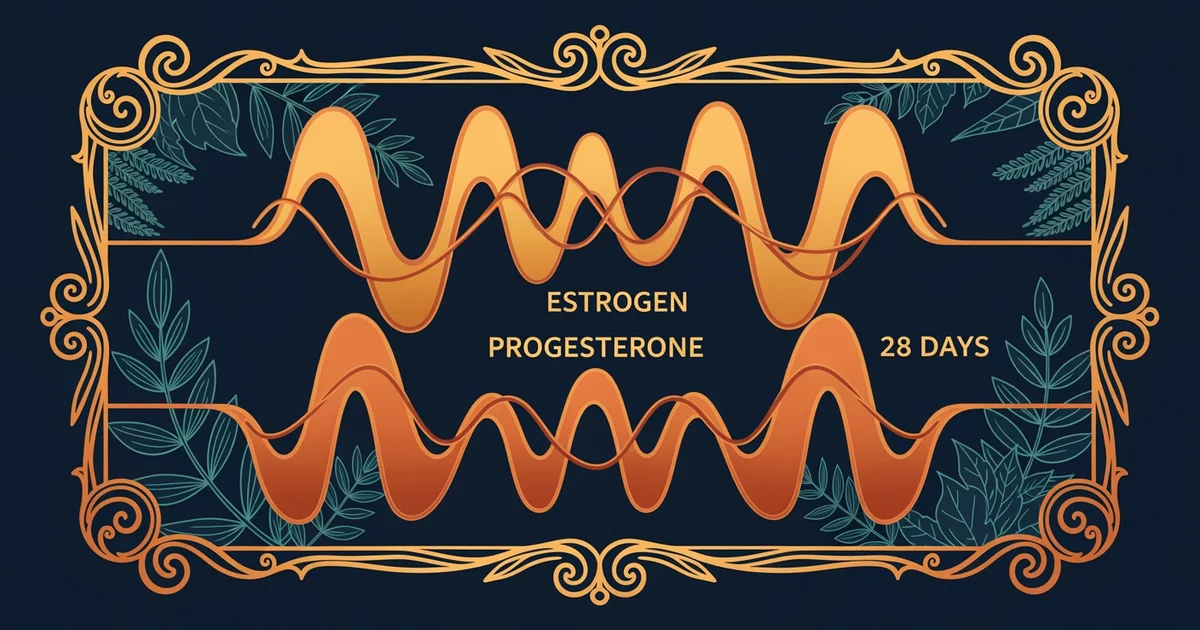
The Energetic Shift During Cycles
When hormone levels fluctuate, they act like a complex financial budget for the body. During the first half of the cycle, rising levels of estrogen provide a natural boost to metabolic processes and physical endurance. This hormone acts like a surge in liquid capital, allowing the body to invest more energy into exercise, social interactions, and cognitive tasks. As the cycle progresses, the body shifts its metabolic focus, preparing for potential changes that require different resource allocations. Understanding these shifts helps individuals recognize why their capacity for high-intensity work changes predictably across the month. Research suggests that these hormonal variations influence how muscles use fuel, which directly impacts how tired or strong someone feels during daily activities. By tracking these patterns, people can better align their most demanding tasks with the times when their internal energy budget is at its peak surplus. This is not about limitation, but about working with the natural rhythm of the body to maintain steady performance levels.
Key term: Estrogen — a primary sex hormone that promotes physical energy, mood stability, and metabolic efficiency during the first half of the menstrual cycle.
After ovulation, the body undergoes a significant transition as progesterone takes a more dominant role in regulating internal systems. Progesterone acts like a high-interest savings account, prioritizing conservation and internal maintenance over high-energy output. This hormone often contributes to a slight increase in basal body temperature and a shift in how the body processes energy reserves. Because the body is prioritizing stability, individuals might notice a natural decline in peak physical power compared to the earlier phase. This is a normal physiological response designed to support the body during the later stages of the cycle. Recognizing this shift allows for better adjustments in daily expectations, ensuring that high-demand activities are balanced with necessary rest periods. When the body signals a need for lower intensity, listening to that feedback prevents burnout and promotes better long-term health outcomes.
Mapping Energy Through Hormonal Phases
To better understand how these shifts impact daily life, consider how different hormones influence energy availability throughout the month. The following table outlines how these primary drivers change the way the body handles physical and mental demands.
| Cycle Phase | Dominant Hormone | Energy Impact | Preferred Activity Level |
|---|---|---|---|
| Follicular | Estrogen | High/Stable | High Intensity |
| Ovulation | Estrogen/LH | Peak | Peak Performance |
| Luteal | Progesterone | Moderate/Low | Recovery/Maintenance |
This table illustrates the transition from high-energy availability to a phase focused on internal regulation and recovery. The hormonal environment during the follicular phase creates a surplus of energy, making it an ideal time for challenging physical or cognitive goals. Conversely, the luteal phase requires a shift in strategy, where focusing on consistent, lower-intensity tasks helps maintain overall balance. By acknowledging these distinct phases, individuals can plan their schedules to match their natural energy cycles. This approach reduces the frustration that often comes from expecting consistent energy levels every single day of the month.
Tracking these changes provides a clearer picture of how hormonal signals dictate physical capacity. Research indicates that when people adapt their routines to these biological shifts, they often report feeling more in control of their health. The goal is to create a sustainable rhythm that accounts for both the high-energy peaks and the necessary recovery periods. By treating the monthly cycle as a predictable system rather than an unpredictable burden, individuals can optimize their daily output. This awareness transforms how people approach their work, exercise, and rest, leading to a more harmonious relationship with their own physical needs.
Understanding how hormonal fluctuations dictate energy availability allows individuals to strategically align their daily demands with their body's natural capacity for performance and recovery.
But what does it look like in practice when these shifting energy levels begin to impact emotional stability and daily mood?
This content is educational only and does not constitute medical advice. Always consult a qualified healthcare professional for personal health decisions.