
The Luteal Phase
Imagine a project manager who finishes a large task and immediately starts preparing the office for the next big event. The body behaves in a similar way after the egg leaves the ovary during the monthly cycle. This period, known as the luteal phase, marks the time between ovulation and the start of a new cycle. It represents a vital window where the body shifts gears to prepare for a potential pregnancy. Understanding this transition helps individuals grasp how hormone levels shape their physical and emotional states during those final two weeks.
The Function of the Corpus Luteum
Once the egg is released, the empty follicle undergoes a significant transformation to become the corpus luteum. This structure acts like a temporary endocrine gland that produces hormones to support the uterine lining. Think of the corpus luteum as a small, specialized factory built on a construction site to manage the final phase of a project. If the factory stays open, it keeps the environment stable by releasing steady amounts of specific chemicals. If no pregnancy occurs, the factory eventually closes down, signaling that it is time to reset the entire system.
Key term: Corpus luteum — the temporary structure formed from the remains of the ovarian follicle that secretes hormones to maintain the lining of the uterus.
This small but powerful structure serves as the primary engine for the second half of the cycle. Without its constant output, the body would not be able to maintain the environment needed for a potential embryo to attach. The following table highlights how the corpus luteum influences key bodily systems during this specific timeframe:
| System | Primary Influence | Expected Result |
|---|---|---|
| Uterine Lining | Thickens tissue | Stable environment |
| Body Temperature | Slight increase | Metabolic shift |
| Hormone Levels | Higher progesterone | Cycle regulation |
The Role of Progesterone
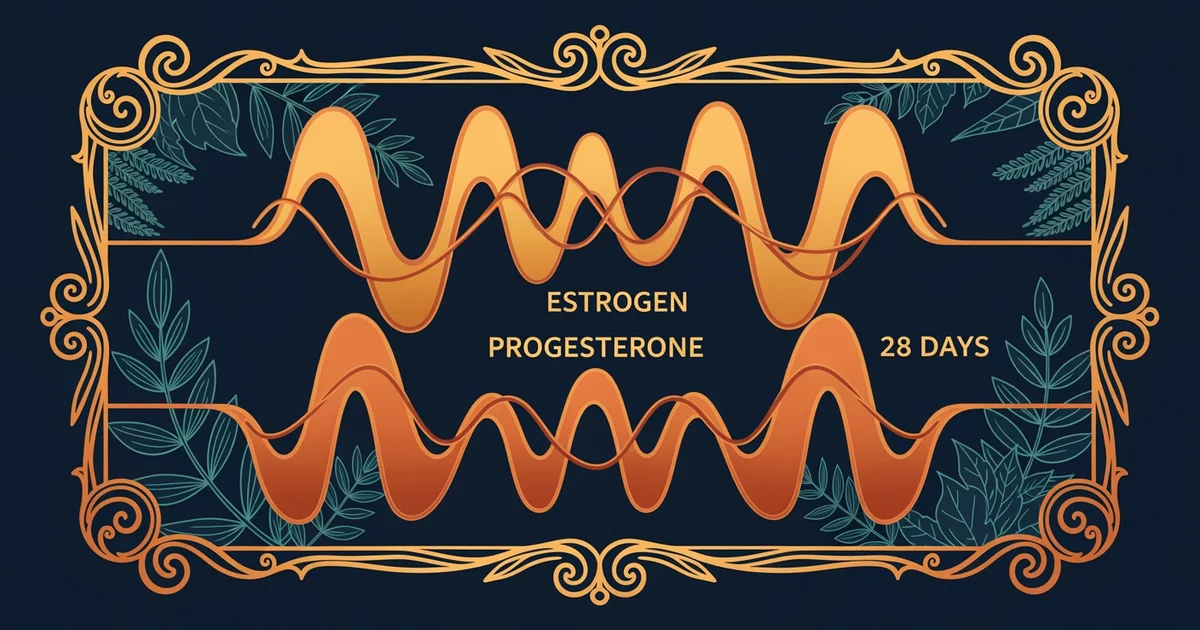
Building on the work of the corpus luteum, the hormone progesterone takes center stage as the primary chemical messenger. Progesterone works to stabilize the uterine lining by making it rich in nutrients and blood flow. While estrogen helps build the lining early in the cycle, progesterone ensures that the tissue remains intact and ready for implantation. Research suggests that this hormone also affects mood and energy levels, which explains why many people feel different during this phase.
Progesterone acts like a stabilizer on a ship, keeping everything steady and calm while the body waits for a signal. If the signal for pregnancy does not arrive, the corpus luteum stops producing this hormone, causing the levels to drop rapidly. This sudden decline in progesterone acts as the final trigger for the body to shed the lining. The process ensures that the system is cleared out before the next cycle begins. By tracking these changes, individuals can better understand why their physical needs and energy levels fluctuate throughout the month.
The luteal phase relies on the corpus luteum to produce progesterone, which maintains the uterine environment until the body receives a signal to reset the cycle.
The next Station introduces Endometrial Shedding, which determines how the withdrawal of progesterone triggers the start of menstruation.
This content is educational only and does not constitute medical advice. Always consult a qualified healthcare professional for personal health decisions.